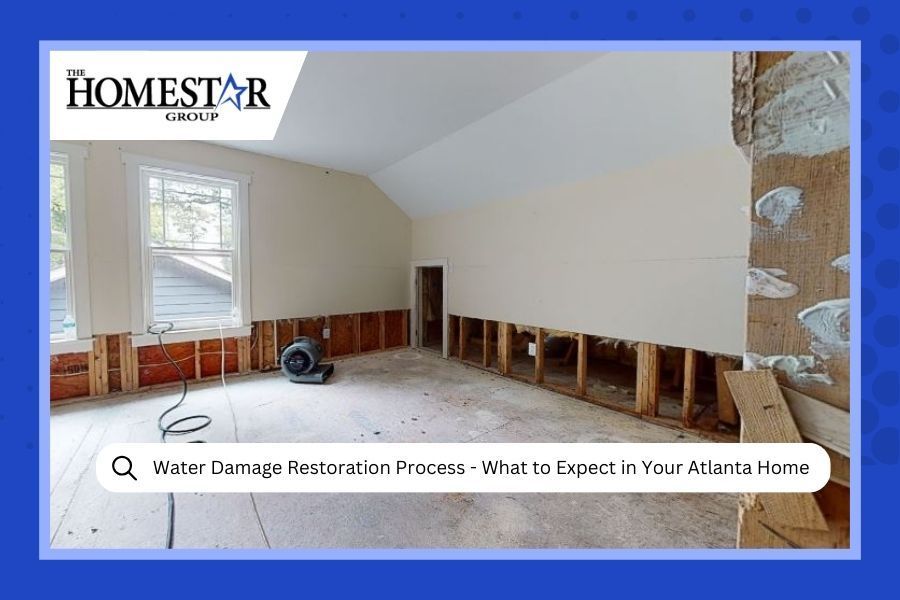
Water Damage Restoration Process - What to Expect in Your Atlanta Home
Jump To:
Water damage strikes fast. Your Atlanta home can go from perfectly dry to soaking wet in minutes when a pipe bursts, a storm floods your basement, or an appliance fails. Understanding what happens during professional water damage restoration helps you feel more in control during a stressful time.
We've restored over 2,000 Atlanta properties since 2010. The process isn't mysterious, and you should know exactly what to expect at each step. This guide walks you through the entire restoration journey from the moment you discover water damage until your home returns to normal.
Initial Contact and Emergency Response
The clock starts ticking the moment water enters your home. Every hour counts.
When you call The Homestar Group's 24/7 emergency line, we gather critical information immediately. Where's the water coming from? How many rooms are affected? Is the water clean, or does it contain sewage? These questions help us arrive prepared with the right equipment and safety gear.
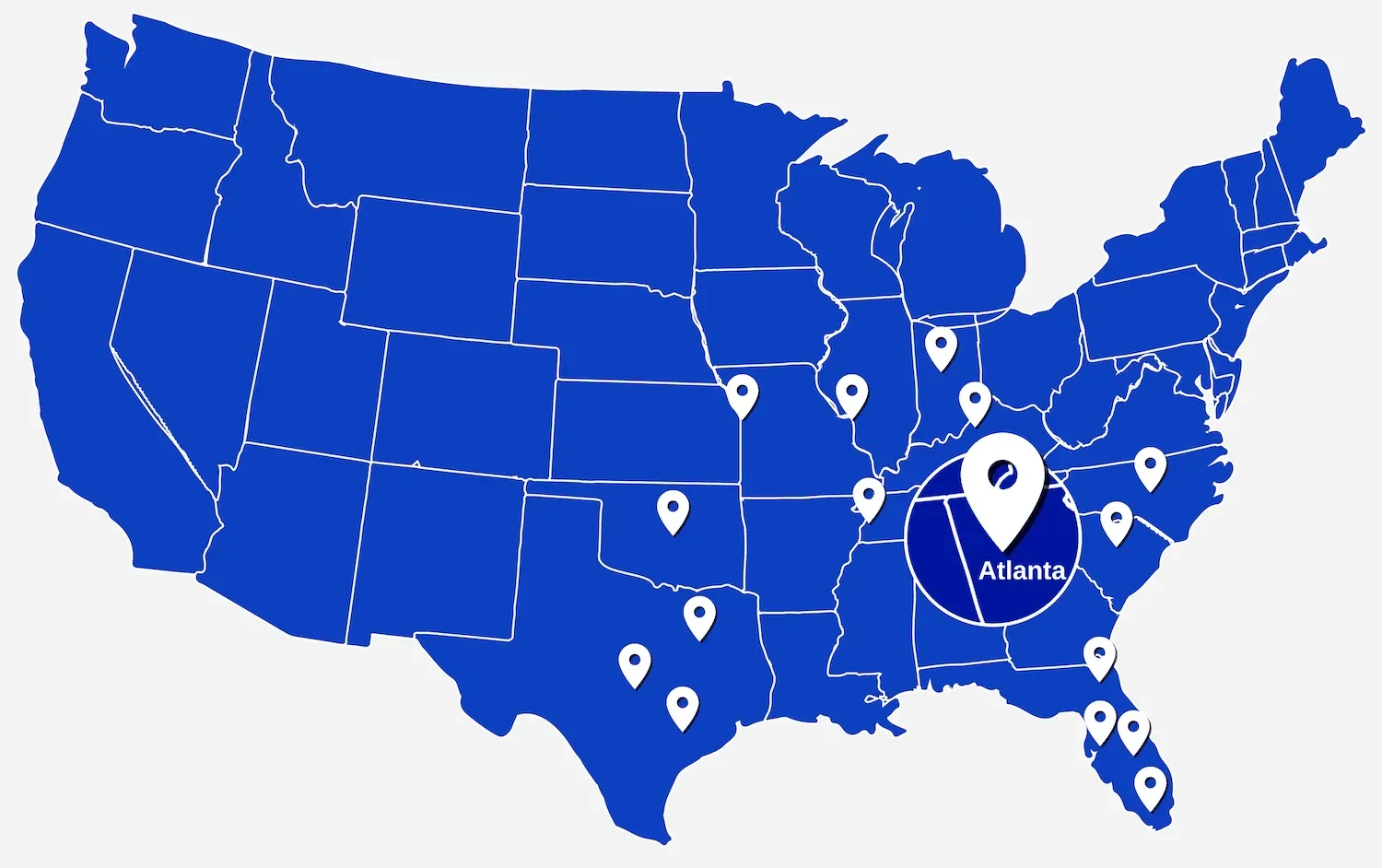
Our IICRC-certified technicians typically arrive within 60-90 minutes anywhere in the Atlanta metro area. We serve Marietta, Decatur, Stone Mountain, and throughout Rockdale County with the same rapid response time. Speed matters because water damage worsens exponentially after the first 24 hours.
What to Do Before We Arrive
- Stop the water source if possible (shut off main valve, turn off appliances)
- Move valuables to dry areas
- Don't use household vacuums on standing water
- Document damage with photos for insurance
- Avoid walking through contaminated water
Our first priority is safety. We assess electrical hazards, structural integrity, and water contamination levels before beginning any work. If the water contains sewage or chemicals, we establish containment zones and use protective equipment.
Inspection and Damage Assessment
Not all water damage looks the same. A thorough inspection reveals the full scope.
We use specialized equipment that goes far beyond what the naked eye can detect. Moisture meters, thermal imaging cameras, and hygrometers show us exactly where water has traveled. Water follows gravity but also seeps horizontally through materials. You might see a wet spot on your living room ceiling, but the real damage extends through three rooms above it.
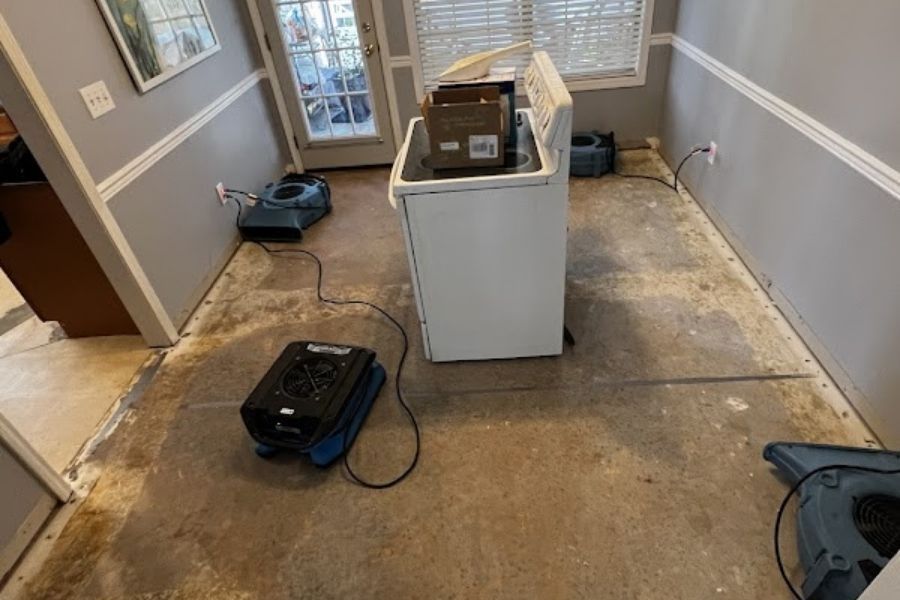
Professional moisture detection reveals hidden water damage that homeowners often miss
We classify the damage based on two critical factors. Water category determines contamination level:
| Category | Source | Health Risk |
|---|---|---|
| Category 1 (Clean) | Broken supply lines, sink overflows, rainwater | Low |
| Category 2 (Grey) | Washing machine discharge, dishwasher leaks | Moderate |
| Category 3 (Black) | Sewage backups, flooding from rivers | Severe |
Class of damage tells us how much water affected the space. Class 1 involves minimal absorption , while Class 4 means water has saturated hardwood, plaster, or concrete that requires specialty drying.
Every inspection produces a detailed scope of work. We measure moisture levels in floors, walls, and ceilings. We note which materials can be saved and which require removal. This documentation becomes essential for your insurance claim.
Water Extraction Process
Removing standing water comes first. Always.
We deploy industrial-grade extractors that remove hundreds of gallons per hour. These aren't shop vacs. Our truck-mounted extraction systems and portable pumps handle everything from a few inches of water to completely flooded basements. The faster we extract standing water, the less it penetrates deeper into building materials.
Carpet and pad extraction requires specialized techniques. We often pull back carpeting to extract water from the pad underneath. In many cases, carpet padding can't be saved because it acts like a sponge that never fully dries. The carpet itself might be salvageable with proper cleaning and drying.
Hardwood floors present unique challenges. We extract surface water immediately, then monitor the wood's moisture content closely. Wood can warp, cup, or crown if it dries too quickly or too slowly. Patience matters here.
Need Emergency Water Extraction?
Our IICRC-certified team responds 24/7 throughout the Atlanta metro area. Every minute counts when water damage strikes.
Contact Us NowDrying and Dehumidification
This stage takes the longest but matters most for preventing secondary damage.
After extraction, materials still hold significant moisture. Drywall can retain 300% of its weight in water. Wood framing stays damp for weeks without proper equipment. This trapped moisture creates perfect conditions for mold growth within 24 to 48 hours.
We establish a controlled drying environment using industrial equipment:
- Air movers create rapid air circulation across wet surfaces, increasing evaporation rates dramatically
- Commercial dehumidifiers pull moisture from the air, preventing it from reabsorbing into materials
- HEPA air scrubbers filter airborne particles and prevent mold spores from spreading during drying
- Specialty drying equipment targets specific materials like hardwood floors or tile that need controlled drying rates
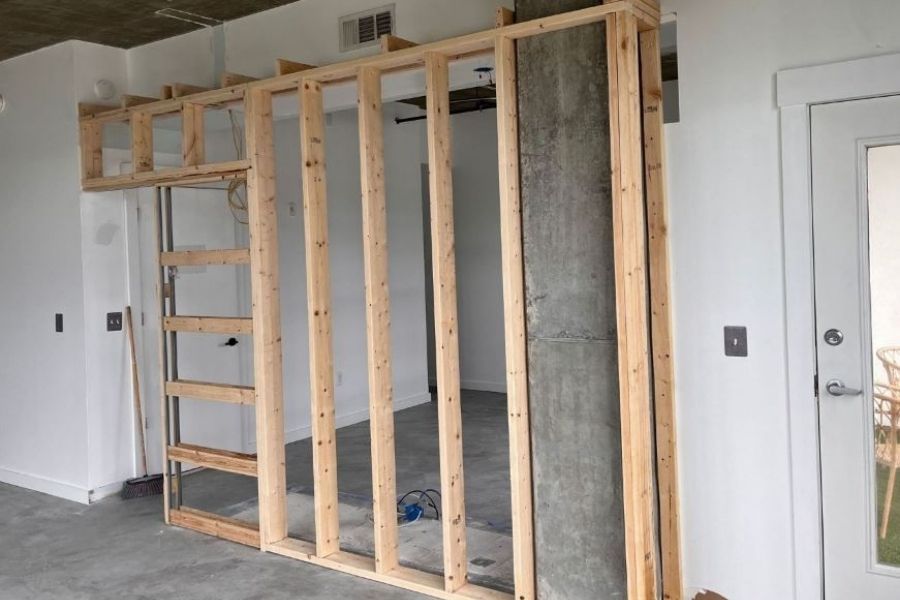
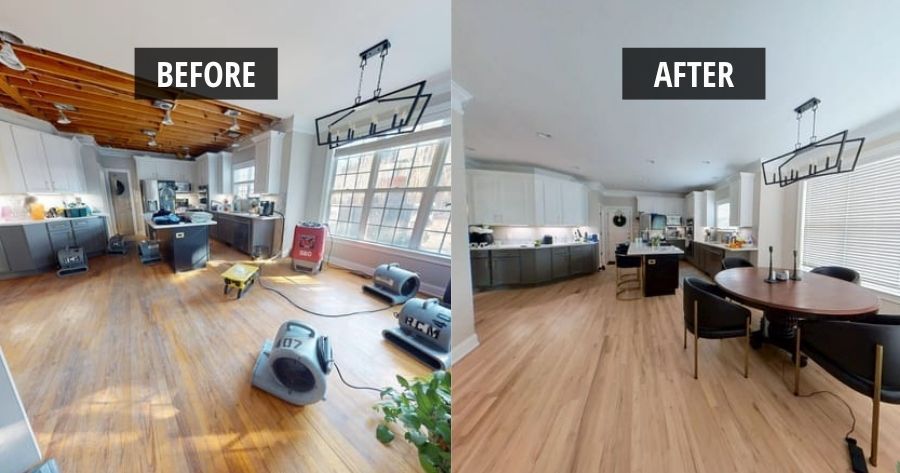
Industrial drying equipment runs continuously for several days to remove all trapped moisture
The equipment runs 24/7 for typically three to five days. We monitor moisture levels twice daily using our meters. Each material has a target moisture content. Drywall should dry to 12% or below. Wood framing needs to reach normal ambient levels for Atlanta's climate.
Temperature and humidity control make or break this phase. We maintain indoor temperatures between 70-80°F and control relative humidity between 30-50%. Too hot causes materials to crack. Too cool slows evaporation. Getting this balance right requires experience and constant monitoring.
Living in Your Home During Drying
Many homeowners can stay in their homes during the drying process, depending on damage extent. We typically set up drying equipment in affected areas while you occupy other spaces. The equipment is loud but necessary. For extensive damage involving Category 3 water , temporary relocation might be safer.
Cleaning and Sanitizing
Drying alone isn't enough. Water leaves contamination behind.
Even Category 1 clean water picks up dirt, bacteria, and organic material as it spreads through your home. Category 2 and 3 water introduce serious health hazards. We clean and sanitize everything the water touched.
Contents cleaning addresses your belongings. Furniture, documents, electronics, and personal items require different cleaning methods. We inventory everything, photograph items, and clean them using appropriate techniques. Some items go to our specialized cleaning facility. Others we clean on-site.
Structural cleaning tackles the building itself. We HEPA vacuum all surfaces to remove settled particles. Then we apply EPA-registered antimicrobial treatments to prevent microbial growth. Walls, ceilings, floors, and HVAC systems all receive thorough cleaning.
For Category 3 water damage from sewage backups or flooding , we follow CDC guidelines for contaminated water cleanup. This involves disposing of porous materials that absorbed contaminated water, because they can't be adequately sanitized.
Odor Removal
Water damage creates musty odors that cleaning doesn't always eliminate. We use thermal fogging, ozone treatments, or hydroxyl generators depending on odor severity and your occupancy situation. These professional treatments neutralize odor molecules at the source rather than masking them.
Final Restoration and Repair
This is where your home transforms back to normal.
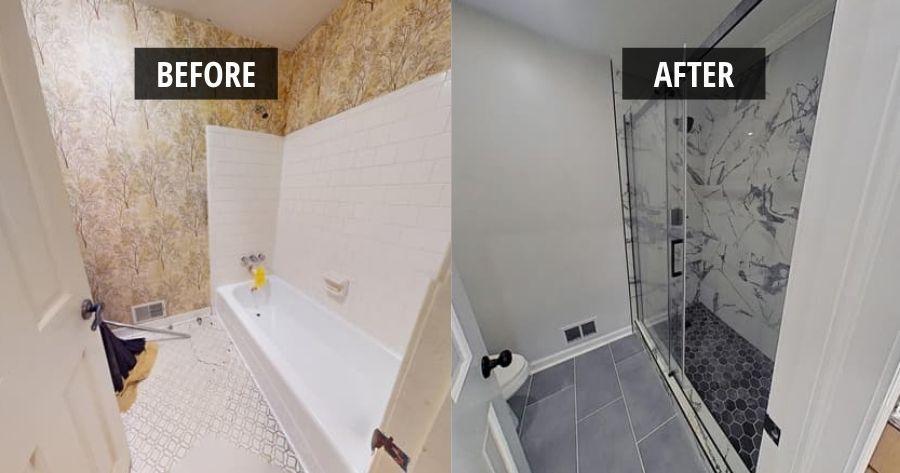
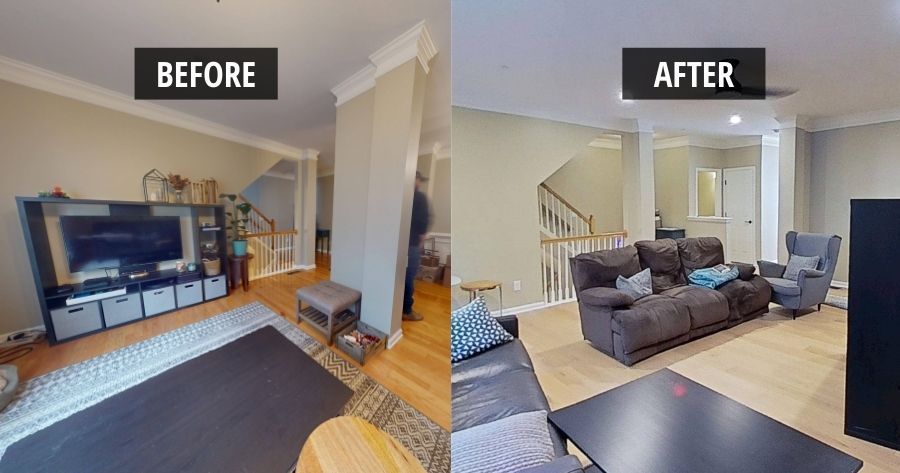
Minor restoration means replacing drywall sections, repainting, installing new carpet or flooring in affected areas. Major restoration involves reconstructing entire rooms or multiple areas of your home. The extent depends on how much material we had to remove.
Our team includes licensed contractors who handle all reconstruction work. You don't need to coordinate between a water restoration company and a separate contractor. We manage the entire process from water extraction through final paint touch-ups.
Typical Restoration Tasks Include:
- ✓ Drywall replacement and finishing in water-damaged areas
- ✓ Flooring installation for carpet, laminate, tile, or hardwood
- ✓ Trim and baseboard replacement with paint-grade or stain-grade materials
- ✓ Cabinet repair or replacement in kitchens and bathrooms
- ✓ Painting and texture matching to blend repairs seamlessly
- ✓ Electrical and plumbing repairs as needed for complete restoration
Timeline matters to you, so let's be realistic. Minor restoration takes one to two weeks after drying completes. Major reconstruction can take four to eight weeks depending on material availability and project complexity. We provide a detailed timeline before work begins.
Quality matters more than speed. We match textures, colors, and materials carefully so repairs blend invisibly with original construction. Your home should look like water damage never happened.
Insurance Documentation Throughout
We work directly with your insurance company from day one.
Our team photographs and documents everything. Moisture readings, equipment placement, removed materials, and reconstruction progress all get recorded. This documentation supports your claim and prevents disputes with adjusters.
We provide detailed estimates that insurance adjusters understand. Line items, measurements, and industry-standard pricing prevent confusion. If your adjuster wants to inspect the damage, we coordinate that visit and walk through findings together.
Homeowners often ask whether they should file an insurance claim. That depends on your deductible and damage extent. We provide the repair estimate so you can make an informed decision. For claims you do file, we handle direct billing with your insurance company in most cases.
Important: Insurance Time Limits
Most insurance policies require prompt notification of water damage. Don't wait to assess whether damage warrants a claim. Report it immediately to keep your options open. You can always decide not to file after receiving our estimate.
What Makes Atlanta Water Damage Unique
Atlanta's climate creates specific challenges. Our humidity runs high, especially during summer months. This slows natural drying and increases mold risk. Heavy rainfall and flash flooding hit the area regularly. Many Atlanta homes have basements, unlike other parts of Georgia, which means additional flood risk.
We understand Atlanta's building construction patterns. We know which neighborhoods have older plumbing that's prone to failure. We're familiar with local building codes and permit requirements for reconstruction work. This local expertise speeds up the restoration process.
Storm-related flooding happens fast here. When tropical systems bring heavy rain, we see hundreds of calls in a 24-hour period. Our team expands during emergencies to maintain response times.
How Long Does the Entire Process Take?
Expect three to six weeks from initial call to completion for moderate water damage.
Emergency extraction happens within hours of our arrival. Drying takes three to five days with equipment running continuously. Cleaning and sanitizing add another one to two days. Restoration and reconstruction take one to four weeks depending on scope.
These timelines assume normal circumstances. Extensive damage, material availability issues, or insurance delays can extend the process. We update you regularly and adjust timelines as needed.
Preventing Future Water Damage
Once restoration completes, prevention becomes your focus.
We provide recommendations based on what caused your water damage. Common preventive measures include installing water alarms, upgrading washing machine hoses to braided steel, replacing old supply lines before they fail, and maintaining gutters and downspouts properly.
Regular maintenance catches problems before they cause damage. Check under sinks monthly for leaks. Inspect your water heater annually. Test your sump pump if you have one. These simple steps prevent most water damage incidents.
For Atlanta homeowners, pay special attention during storm season. Keep emergency supplies on hand including flashlights, batteries, and a battery-powered radio. Know where your main water shutoff valve is located. These preparations minimize damage when problems occur.
Frequently Asked Questions About Water Damage Restoration
How much does water damage restoration cost in Atlanta?
Water extraction and drying typically costs $3.50 to $7.00 per square foot depending on water category and affected materials. Complete restoration including reconstruction can range from $3,000 to $15,000 or more for extensive damage. Your specific cost depends on damage extent, water type, and materials requiring replacement. We provide detailed estimates before beginning any work, and most homeowners insurance policies cover water damage restoration.
Can I stay in my home during water damage restoration?
Many homeowners can remain in their homes during restoration if damage is limited to specific areas. For Category 1 clean water damage, staying home is usually safe. Category 3 water involving sewage requires temporary relocation for health safety. We assess your specific situation and provide honest recommendations about whether staying home makes sense during restoration.
What happens if mold has already started growing?
Mold growth requires immediate professional remediation. We contain the affected area, remove mold-contaminated materials, treat surfaces with antimicrobial solutions, and establish negative air pressure to prevent spore spread. Our team holds IICRC Applied Microbial Remediation Technician certifications for proper mold handling. The restoration process extends by several days when mold remediation is necessary, but addressing it properly protects your health and your home's value.
Why can't I just dry everything out myself with fans and dehumidifiers?
Consumer-grade fans and dehumidifiers lack the power needed for thorough drying. Water penetrates deep into materials where household equipment can't reach it. Professional restoration equipment moves 10 to 20 times more air and extracts far more moisture per hour. Without proper drying, trapped moisture causes mold growth, structural damage, and material deterioration that appears months later. The cost of professional restoration is almost always less than dealing with secondary damage from incomplete drying.
Trust The Homestar Group for Complete Water Damage Restoration
Water damage disrupts your life, but the restoration process doesn't have to feel overwhelming. Our team at The Homestar Group has guided over 2,000 Atlanta families through this exact process since 2010. We know what questions you'll have before you ask them. We understand the stress you're feeling.
Our IICRC-certified technicians bring more than 15 years of combined experience to every project. We respond 24/7 throughout the Atlanta metro area with the equipment and expertise needed for complete restoration. From the initial emergency call through final reconstruction, we handle every detail professionally.
We're licensed, bonded, and insured with a satisfaction guarantee backing every project. Our team works directly with your insurance company to minimize your out-of-pocket costs and paperwork hassles. Most importantly, we treat your home like our own because that's the level of care you deserve.
Don't wait for water damage to worsen. Contact The Homestar Group immediately at (678) 928-5377 for 24/7 emergency service throughout Atlanta, Marietta, Decatur, Stone Mountain, Conyers, and all of Rockdale County. We typically arrive within 60-90 minutes and provide free estimates within 24 hours.

Jeremy York is the owner of The Homestar Group, bringing over 15 years of experience in the water and fire damage restoration industry to homeowners and businesses throughout the Atlanta metro area. Under his leadership, The Homestar Group has built a reputation for reliable 24/7 emergency response and professional restoration services backed by IICRC certification. Jeremy is committed to serving the local community and takes pride in helping families and business owners recover from unexpected disasters. His hands-on approach ensures every customer receives the care and attention they deserve during challenging times.