Signs Your Atlanta Home Has Water Damage from Wind-Driven Rain
Jump To:
Wind-driven rain isn't just a nuisance during Atlanta's frequent storms. It forces water into places it shouldn't go, creating water damage that can hide for weeks before you notice. Our team at The Homestar Group has responded to hundreds of water damage restoration emergencies in Atlanta, and we've learned that catching these problems early makes all the difference. Here's exactly what you need to look for after a storm.
Warning Signs Your Home Has Water Damage
Water stains tell you the obvious story. But after wind-driven rain, the real damage often happens where you can't see it right away.
Look for water stains on ceilings, especially near windows, exterior walls, and corners. These brownish or yellowish marks mean water's already penetrated your home's exterior envelope. Check windowsills and the areas directly below windows for dampness or discoloration.
Peeling paint signals moisture problems beneath the surface. When water gets behind paint on interior walls, it breaks down the adhesion and causes bubbling or flaking. This happens frequently around window frames where wind-driven rain finds entry points.
Warped flooring near exterior walls deserves immediate attention. Wood flooring that cups, crowns, or feels spongy indicates moisture intrusion from below or through the walls.
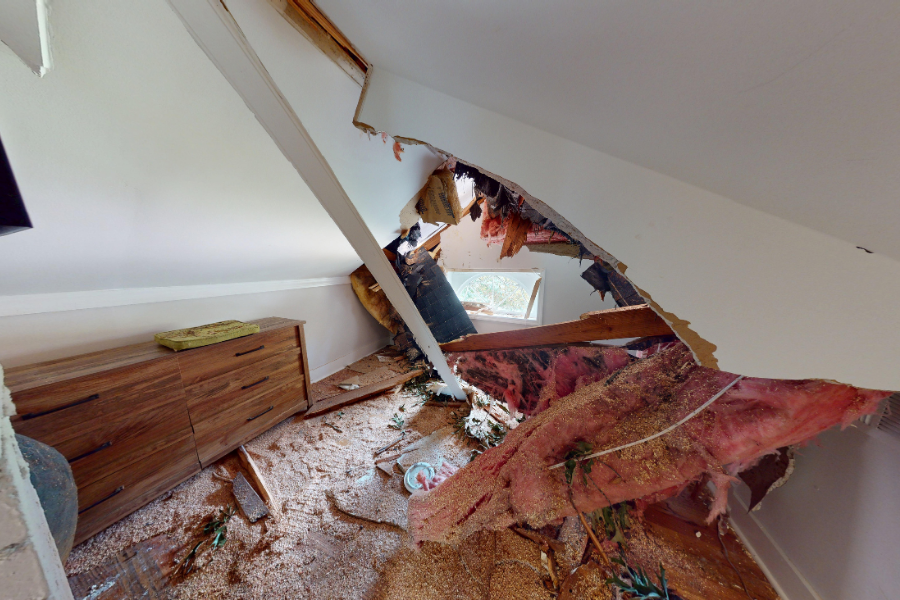
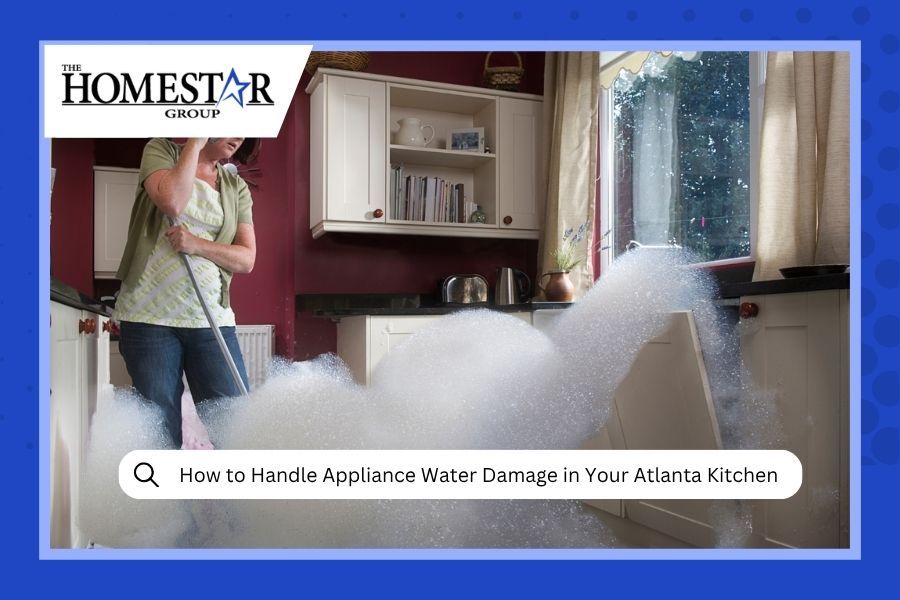
Severe water damage like this requires immediate professional assessment and extraction to prevent structural issues.
Where Hidden Water Damage Likes to Hide
Atlanta homes have basements, which gives wind-driven rain additional pathways to cause trouble. Most homeowners check obvious spots and miss the real problem areas.
Attic Spaces and Roof Penetrations
Your attic tells the complete story. Look for water stains on roof decking, especially near vents, chimneys, and skylights. Wind-driven rain exploits any gap in flashing or sealant around these penetrations.
Check insulation for compression or discoloration. Wet insulation loses its effectiveness and becomes a mold breeding ground. According to the EPA, mold can begin growing within 24-48 hours of water exposure.
Don't Wait Until Small Problems Become Major Disasters
Our IICRC-certified technicians respond 24/7 to water damage emergencies across the Atlanta metro area.
Get Your Free AssessmentCall (678) 928-5377 for immediate emergency response
Wall Cavities and Window Wells
Water loves wall cavities. Wind forces rain through tiny cracks around windows and doors, and gravity pulls it down inside your walls where it sits against insulation and drywall.
Press on drywall near exterior walls and windows. Soft or spongy spots mean water's already saturating the material. Run your hand along baseboards. Swelling, warping, or separation from the wall indicates moisture problems.
Musty odors are your nose's early warning system. That distinctive smell means mold spores are already reproducing somewhere in your walls or crawl space. Don't ignore it.
Basement and Foundation Areas
Atlanta's clay soil creates unique water pressure problems during heavy rain. Wind-driven storms dump water directly against your foundation, and that water follows the path of least resistance.
Check for dampness on basement walls, especially near windows and where walls meet the floor. Look for efflorescence, those white chalky deposits that appear when water evaporates and leaves mineral salts behind. This means water's moving through your foundation.
How Wind-Driven Rain Causes Damage Differently
Regular rain falls straight down. Wind-driven rain hits horizontally, sometimes at 45-degree angles or more during severe storms.
This horizontal trajectory means water contacts surfaces it wouldn't normally touch. Rain hits the underside of eaves, penetrates soffit vents, and forces its way through weep holes in brick veneer. Every unsealed gap becomes a water entry point.
Pressure differentials make the situation worse. Wind creates positive pressure on one side of your house and negative pressure on the opposite side. This pressure difference literally pulls water through tiny openings you didn't know existed.
| Entry Point | How Water Gets In | Common Result |
|---|---|---|
| Window frames | Deteriorated caulking or sealant gaps | Wall cavity saturation, interior water stains |
| Roof vents | Wind forces rain upward through vents | Attic moisture, damaged insulation |
| Soffit vents | Horizontal rain enters ventilation openings | Attic dampness, wood rot |
| Chimney flashing | Failed sealant or damaged metal flashing | Ceiling leaks, wall damage near chimney |
| Foundation cracks | Hydrostatic pressure from saturated soil | Basement seepage, foundation wall dampness |
Your Post-Storm Inspection Checklist
Don't wait for obvious problems to appear. Water damage compounds quickly, and what costs hundreds to fix today might cost thousands next month.
Start your inspection within 24 hours of any significant storm event. The IICRC recommends beginning water damage restoration within 24-48 hours to prevent secondary damage and mold growth. Here's your systematic approach:
Exterior Inspection Points
- Walk the perimeter looking for standing water against your foundation. Water should drain away from your home, not pool beside it.
- Check all window frames and door surrounds for water intrusion signs. Look for wet spots, staining, or soft wood.
- Inspect your roof from the ground using binoculars. Look for missing or damaged shingles, especially on the side that took the worst wind.
- Examine gutters and downspouts for proper drainage. Clogged gutters overflow and direct water straight into your walls.
- Look at siding and brick veneer for cracks, gaps, or separation. Wind-driven rain exploits these openings.
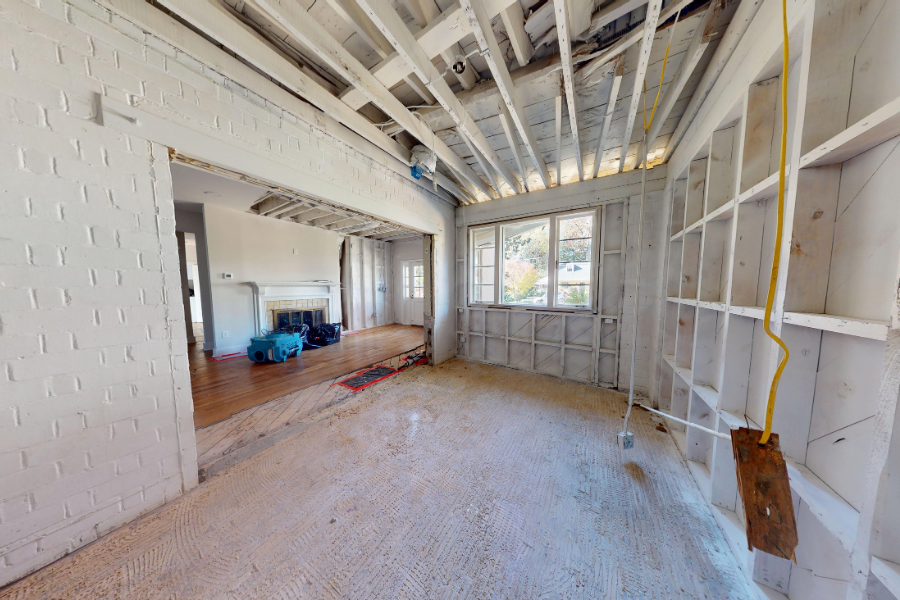
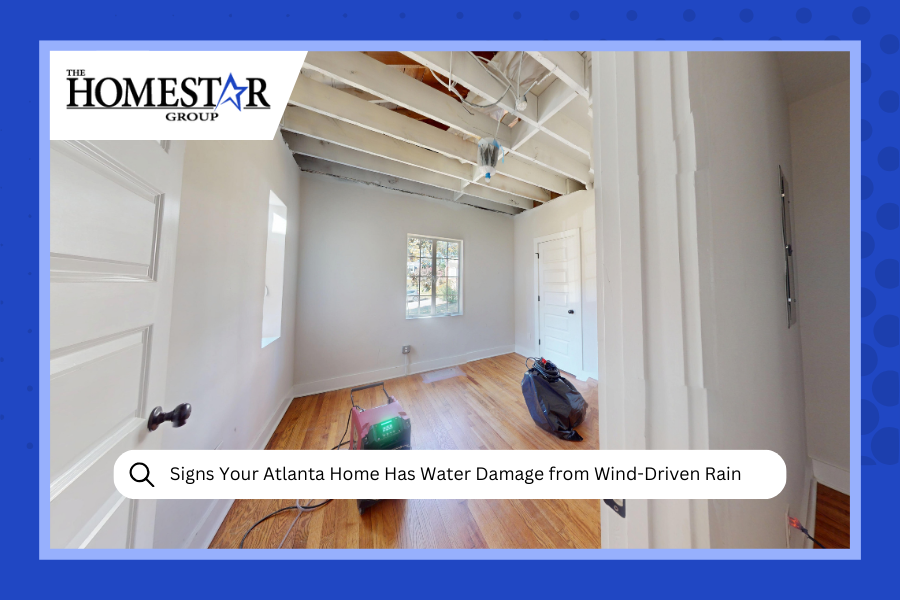
Professional-grade drying equipment like this extracts moisture from deep within building materials, preventing long-term damage and mold growth.
Interior Inspection Points
- Start in the attic with a flashlight. Look for wet insulation, water stains on roof decking, and light coming through the roof (which means holes exist).
- Check every room's ceiling, especially near exterior walls and corners. Water stains often appear days after the storm.
- Inspect around all windows and doors inside your home. Feel for dampness on windowsills, walls, and flooring.
- Examine basement walls and floors for water seepage, dampness, or new cracks in the foundation.
- Open electrical panels carefully and check for moisture inside. Water in electrical systems creates serious fire hazards.
⏰ Water Damage Timeline: What Happens When
When to Call Professional Restoration Services
Some water damage you can handle yourself. Most wind-driven rain damage? You need professionals.
Call immediately if you discover water inside wall cavities. You can't dry walls from the outside. Professional extraction equipment pulls moisture from deep within building materials, something towels and fans simply cannot accomplish.
Hidden moisture leads to hidden mold. If you smell that distinctive musty odor but can't locate the source, mold is growing somewhere you can't reach. Our thermal imaging cameras detect moisture behind walls, under flooring, and in ceiling cavities without destructive investigation.
What Professional Restoration Involves
Water damage restoration follows a systematic process developed by the Institute of Inspection, Cleaning and Restoration Certification (IICRC). We've refined this process through 15 years serving the Atlanta area.
First comes moisture detection and assessment. We use moisture meters, thermal imaging, and hygrometers to find every wet spot, even the ones you can't see. This comprehensive mapping prevents problems from hiding until they become catastrophic.
Next is water extraction and removal. Industrial extractors pull thousands of gallons per hour from carpeting, padding, and other materials. Speed matters here because every hour water sits, damage spreads.
Then comes structural drying. High-velocity air movers and commercial dehumidifiers create optimal drying conditions. We monitor moisture levels daily until materials return to their pre-loss condition. This typically takes 3-5 days but varies based on damage extent.
You might also benefit from learning about our approach to basement water damage after heavy storms, which often accompanies wind-driven rain events in ATL.
What Your Insurance Covers
Wind-driven rain coverage depends on your specific policy. Most homeowner's insurance covers sudden and accidental water damage from storms, but not damage from deferred maintenance or gradual leaks.
Document everything before cleanup begins. Take photos and videos of all damage. Keep receipts for any emergency repairs you make. We work directly with insurance adjusters and provide detailed damage assessments that support your claim. Learn more about navigating the restoration insurance claims process.
File your claim quickly. Most policies require "prompt notice" of damage. Waiting weeks to report wind-driven rain damage can complicate your claim or lead to denial.
The DIY Approach and Its Limitations
Small, contained water incidents you can handle yourself. Spills on non-porous surfaces, minor leaks you catch immediately, or surface moisture you can completely dry within a few hours.
Wind-driven rain damage exceeds DIY capabilities because water penetrates building cavities. You can't see the problem, can't reach it with household equipment, and can't verify it's completely dry. Incomplete drying guarantees mold problems within weeks.
⚠️ Important Safety Note
Never enter flooded areas where electricity might be present. Turn off power at the breaker before investigating water damage near outlets, appliances, or electrical panels. If you're unsure about electrical safety, call professionals immediately at (678) 928-5377.
Prevention Strategies That Actually Work
You can't stop wind-driven rain, but you can make your home more resistant to water intrusion. We've seen which preventive measures work after responding to thousands of storm damage calls across East Atlanta.
Maintain your roof proactively. Replace damaged or missing shingles immediately. Inspect and reseal flashing around chimneys, vents, and skylights every few years. Small investments in roof maintenance prevent massive water damage expenses.
Keep gutters and downspouts clean and properly pitched. Gutters should drain water at least 6 feet away from your foundation. Extensions on downspouts are cheap insurance against foundation water problems.
Seal windows and doors before storm season. Replace deteriorated caulking around window frames. Check weatherstripping on doors. These simple tasks stop the majority of wind-driven rain intrusion.
For comprehensive guidance, check out our article on common mistakes Atlanta homeowners make with water damage.
Frequently Asked Questions
How long after a storm should I check for water damage?
Check within 24 hours of any significant wind-driven rain event. Some damage appears immediately, but other signs take 2-3 days to become visible. The sooner you identify water intrusion, the less damage it causes. We recommend inspecting after every major storm, even if you don't see obvious problems. Hidden damage in wall cavities or attics often doesn't show surface signs until significant deterioration has occurred.
Can wind-driven rain damage happen even if my roof doesn't leak?
Absolutely. Wind-driven rain enters through windows, doors, vents, and any small gaps in your home's exterior envelope. We've responded to hundreds of water damage calls in Atlanta where roofs were perfectly intact. The wind forces water horizontally into openings that would never leak during normal rainfall. Window frames, soffit vents, and gaps around utility penetrations are common culprits.
What's that musty smell after a storm, and is it dangerous?
That musty odor indicates active mold growth. Mold releases volatile organic compounds (MVOCs) that create the distinctive smell. According to the CDC, mold exposure can cause respiratory problems, allergic reactions, and worsen asthma symptoms in sensitive individuals. The smell means water damage exists somewhere, even if you can't see it. Don't ignore this warning sign. Call our team at (678) 928-5377 for immediate assessment and remediation.
Will my homeowner's insurance cover wind-driven rain damage?
Most standard homeowner's policies cover sudden water damage from storms, including wind-driven rain. Coverage typically excludes damage from long-term leaks, deferred maintenance, or gradual deterioration. Document all damage immediately with photos and videos. Contact your insurance company within 24-48 hours of discovering the problem. The Homestar Group works directly with insurance adjusters and provides detailed assessments that support your claim. We've helped hundreds of Atlanta homeowners navigate the claims process successfully.
Don't Let Wind-Driven Rain Become a Disaster
Wind-driven rain damage rarely announces itself dramatically. It sneaks in through small openings, hides in wall cavities, and compounds silently until you face major repairs.
Check your home after every significant storm. Look for the warning signs we've outlined. Trust your nose when you smell something musty. And when you find water damage, act within 24 hours.
The Homestar Group has served the Atlanta metro area for over 15 years, responding to thousands of water damage emergencies. Our IICRC-certified technicians use professional-grade equipment and follow proven restoration protocols. We're available 24/7 because water damage doesn't wait for business hours.
Discover why Atlanta homeowners trust us with their most critical restoration needs. Visit our recent storm damage restoration case study to see our process in action.
Water Damage Emergency? We're Here 24/7
IICRC-certified restoration specialists serving Atlanta, Marietta, Conyers, Decatur, and Stone Mountain
Call (678) 928-5377 Now
Request Emergency Service
Jeremy York is the owner of The Homestar Group, bringing over 15 years of experience in the water and fire damage restoration industry to homeowners and businesses throughout the Atlanta metro area. Under his leadership, The Homestar Group has built a reputation for reliable 24/7 emergency response and professional restoration services backed by IICRC certification. Jeremy is committed to serving the local community and takes pride in helping families and business owners recover from unexpected disasters. His hands-on approach ensures every customer receives the care and attention they deserve during challenging times.