Water Damage Categories - Understanding Clean, Gray, and Black Water
Not all water damage is created equal. The water categories break down into three types: clean, gray, and black water, and each one tells you how dirty the water is and how risky it is to be around. That single detail shapes everything, from how a room gets cleaned to whether you need professional water damage restoration at all. Our team at The Homestar Group has worked through all three across the Atlanta metro area, so here is the plain-English version.
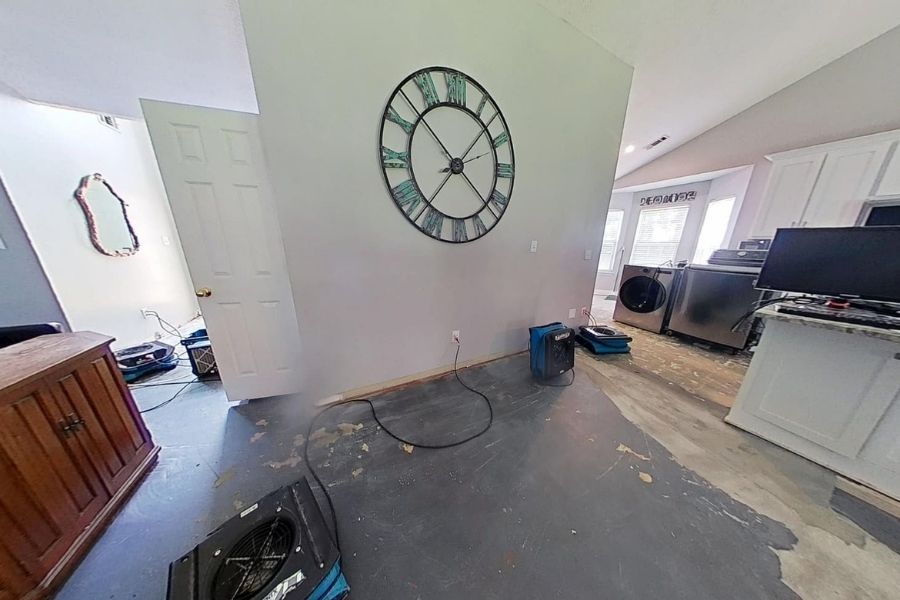
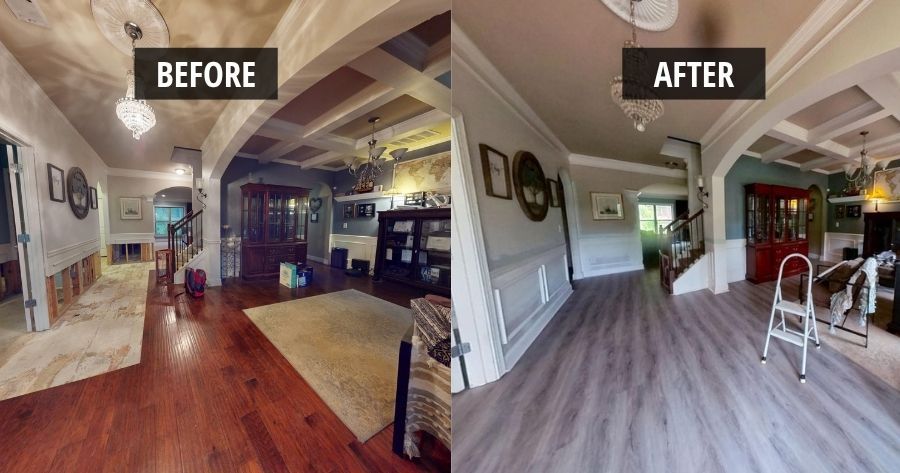
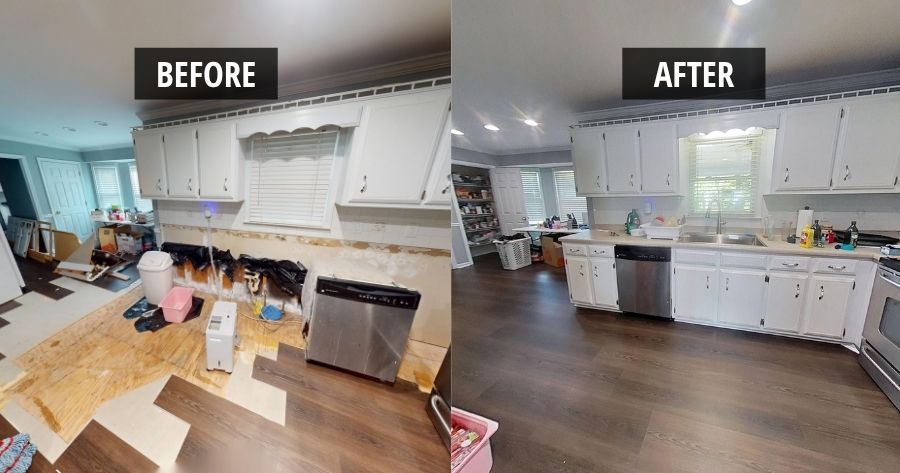
A kitchen and dining room soaked by a supply line leak. Water like this usually starts clean, but it does not stay that way for long.
The Three Categories of Water Damage
Water damage is graded on a scale of one to three, set by the industry standard known as the IICRC S500 water damage guidelines. The number reflects contamination, not the amount of water. A small puddle of sewage is far more dangerous than a large clean spill. Here is what each level really means.
Category 1: Clean Water
Clean water comes from a sanitary source and poses no immediate health threat. Think a broken water supply line, an overflowing sink, or rainwater coming straight through a window. It is safe to touch when it first appears.
The catch? Clean water does not stay clean. Once it sits in drywall, carpet padding, or subflooring, it starts picking up bacteria and dirt within a day or two. What was harmless on Monday can be a real problem by Wednesday.
Category 2: Gray Water
Gray water carries some contamination and can make you sick if you swallow it or let it touch broken skin. Common sources include washing machine overflow, dishwasher discharge, and toilet overflow that contains urine but no solid waste.
This is also the stage where mold gets interested. Damp, slightly dirty materials are exactly what mold spores need to take hold, which is why gray water losses often turn into professional mold remediation jobs if they sit too long.
Category 3: Black Water
Black water is the worst of the three, and it is genuinely hazardous. It is grossly contaminated and can contain bacteria, viruses, and other nasty stuff you do not want in your home. Sewage backups, rising floodwater from outside, and toilet overflow with solid waste all fall here.
Category 3 is not a mop-and-bucket situation. It calls for protective gear, proper containment, and thorough disinfecting, which is exactly what our sewage cleanup services are built for. Materials that soaked up black water, like carpet and drywall, usually have to be removed rather than dried.
Clean vs. Gray vs. Black Water at a Glance
| Category | Common Sources | Health Risk |
|---|---|---|
| 1 – Clean | Supply lines, rainwater, overflowing sinks | Low, if handled fast |
| 2 – Gray | Washing machines, dishwashers, clean toilet overflow | Moderate, mold likely |
| 3 – Black | Sewage, outside flooding, toilet waste | High, pros required |
Not sure what you are dealing with?
A quick look from a trained tech can tell you the category, the risk, and the fastest way out. We are available around the clock.
Get Help TodayWhy Water Categories Get Worse Over Time
A water category is not fixed. Clean water slides into gray, and gray slides into black, the longer it sits and the warmer things get. Time and temperature are the two levers, and in Georgia summers both work against you fast.
Here is how the slide usually happens:
- A clean supply line bursts and floods a room. Category 1.
- It sits overnight, soaking into carpet and drywall that already hold dust and bacteria. Now it is Category 2.
- Two or three days pass with no drying and mold begins to grow. The loss keeps getting more complex and more expensive.
That is the whole reason we push people to act quickly. The problem you have today is almost always cheaper to fix than the one you will have next week.
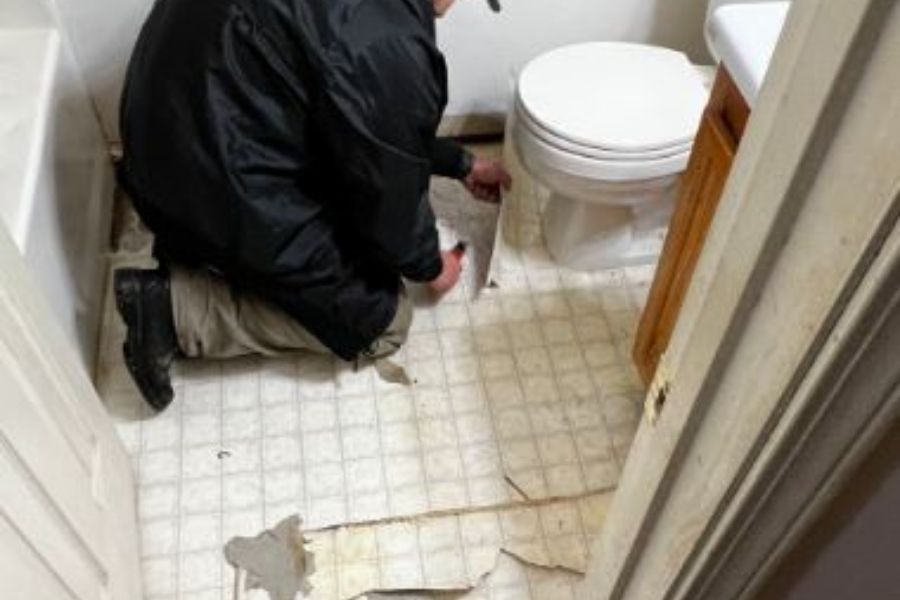
A bathroom that needed full sewage cleanup. Black water like this is a health hazard and never a do-it-yourself job.
How We Handle Each Category
The category sets the game plan. Clean water is mostly about fast extraction and drying. Black water adds containment, removal, and heavy disinfecting on top of that. Our IICRC-certified techs match the response to the risk every time.
A typical job runs through these steps:
- Inspect and classify. We identify the source and the category before anything else.
- Extract the water. Standing water comes out first with pumps and extractors.
- Remove what cannot be saved. Category 3 materials usually get discarded safely.
- Dry and disinfect. Air movers, dehumidifiers, and antimicrobial treatment finish the job.
Good to know: The U.S. EPA recommends treating any water from outside flooding as contaminated, even if it looks clear. Their flooded homes cleanup guidance is a solid read before you touch anything.
DIY or Call a Pro?
Small, clean-water spills on a hard floor are fine to handle yourself. Grab towels, mop it up, and get air moving. If it is under about ten square feet, caught early, and the source is sanitary, you have got this.
Everything else deserves a call. Gray or black water, soaked carpet or drywall, or water that sat more than a day all point to professional help. The health risk climbs, and so does the odds of hidden damage and mold you cannot see. Water can also quietly wreck your indoor air, which we cover in our guide on how water damage affects indoor air quality.
We respond across Conyers and the wider metro. You can see a real black-water job in our Category 3 full-home restoration in Atlanta, and our breakdown of damage from sewage backups walks through just how far a bad one can go.
When in doubt, ask. We would rather answer a quick question than untangle a big mess later. Reach out through our Conyers service area page any time.
Frequently Asked Questions
Can clean water damage turn into black water?
Yes. Clean water that sits untreated absorbs bacteria and contaminants from the materials it soaks into. Within a couple of days, especially in warm weather, a Category 1 loss can degrade to Category 2 or even Category 3, which is why fast response matters.
Is gray water safe to clean up myself?
Small gray water spills can sometimes be handled at home with gloves and disinfectant, but anything that soaked into carpet, drywall, or padding should be checked by a pro. Gray water encourages mold, and hidden moisture is easy to miss.
Why does black water require professional removal?
Black water carries pathogens that pose serious health risks. It requires protective equipment, proper containment, safe disposal of ruined materials, and full disinfecting. Doing this without training can spread contamination and leave dangerous residue behind.
How fast should I act after water damage?
As fast as you reasonably can. Mold can start within 24 to 48 hours, and water categories worsen the longer they sit. Even for clean water, same-day extraction and drying give you the best shot at avoiding a bigger, pricier repair.

Jeremy York is the owner of The Homestar Group, bringing over 15 years of experience in the water and fire damage restoration industry to homeowners and businesses throughout the Atlanta metro area. Under his leadership, The Homestar Group has built a reputation for reliable 24/7 emergency response and professional restoration services backed by IICRC certification. Jeremy is committed to serving the local community and takes pride in helping families and business owners recover from unexpected disasters. His hands-on approach ensures every customer receives the care and attention they deserve during challenging times.