Emergency Response After Kitchen Fires in Atlanta Homes
A kitchen fire is one of those things you never expect to happen. One minute you're cooking dinner, and the next, you're standing outside watching smoke pour from a window. If you've experienced fire damage to your Atlanta home, the hours immediately after the flames are out are some of the most important. What you do, and what you don't do, makes a real difference in how your home recovers. Our team at The Homestar Group has responded to hundreds of kitchen fire calls across the Atlanta metro, and we want to walk you through exactly what needs to happen.
Kitchen fire in the Atlanta area? We're available 24/7.
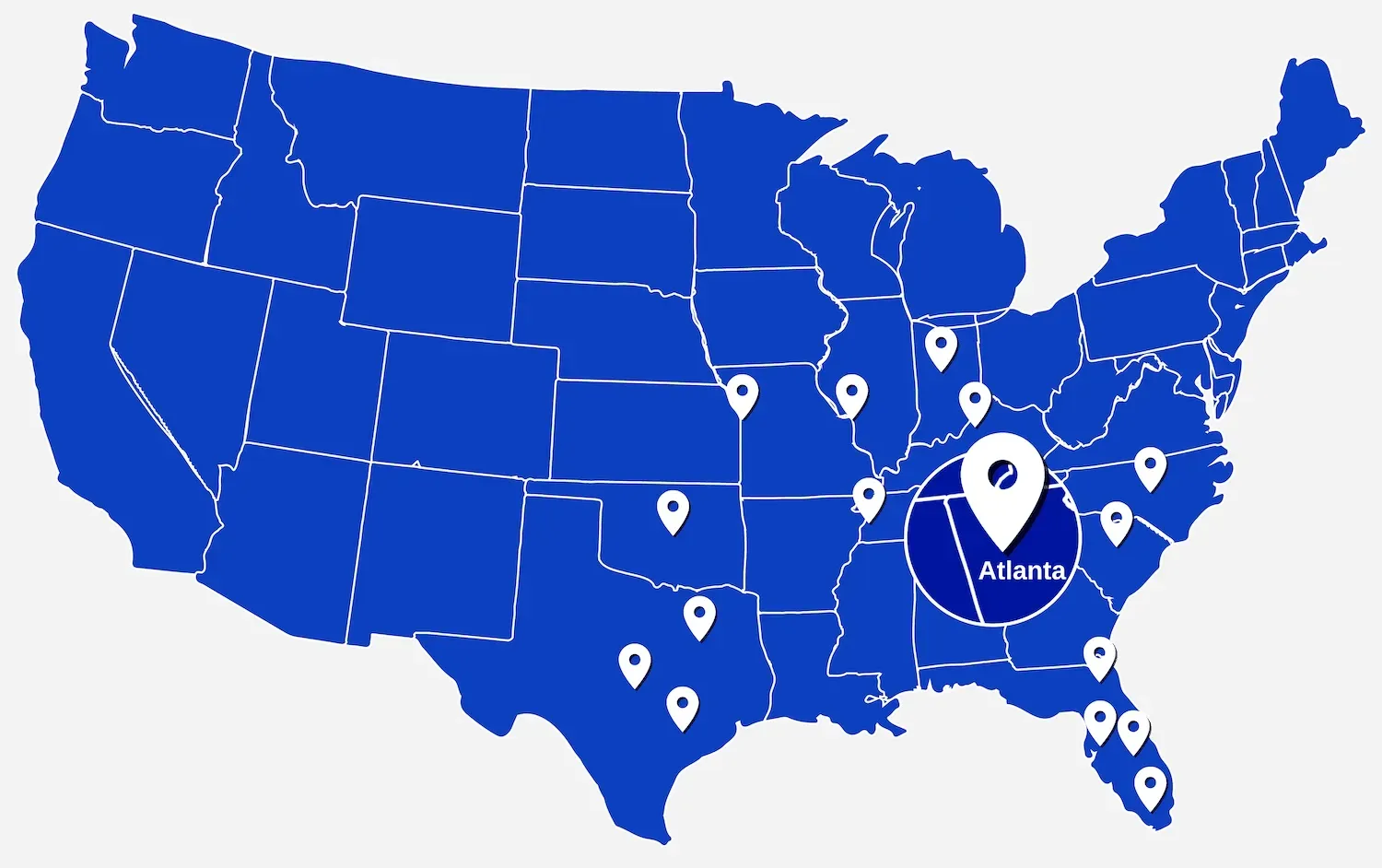
IICRC-certified. Insurance-approved. Available around the clock across Atlanta, Conyers, Marietta, Decatur, and Stone Mountain.
Get Help TodayWhat to Do First After a Kitchen Fire
Your instinct is probably to go back inside and start cleaning. That's one of the most common mistakes homeowners make. Wait for the fire department to give the all-clear before re-entering. Even a small kitchen fire can weaken overhead cabinets, compromise electrical wiring, or leave gases from burned synthetic materials lingering in the air.
Once it's safe to enter, photograph everything before touching anything. Walls, ceilings, appliances, cabinets, flooring, and personal items in the affected area. That documentation is critical for your insurance claim, and you only get one chance to capture the original condition.
Quick Reference: First 24 Hours After a Kitchen Fire
| Do This | Avoid This |
|---|---|
| Call your insurance company promptly | Wiping soot off walls or surfaces |
| Photograph all damage before anything is moved | Running HVAC systems (spreads soot through the entire home) |
| Open windows to ventilate if it is safe to do so | Using electrical appliances near the affected area |
| Call a licensed fire restoration company | Throwing away damaged items before they are documented |
That point about the HVAC system matters more than most people realize. Running your air conditioning or heat after a kitchen fire circulates fine soot particles through every room, depositing them inside ductwork and on surfaces that were nowhere near the fire. A localized problem becomes a whole-house situation fast.
The Hidden Damage Most Homeowners Miss

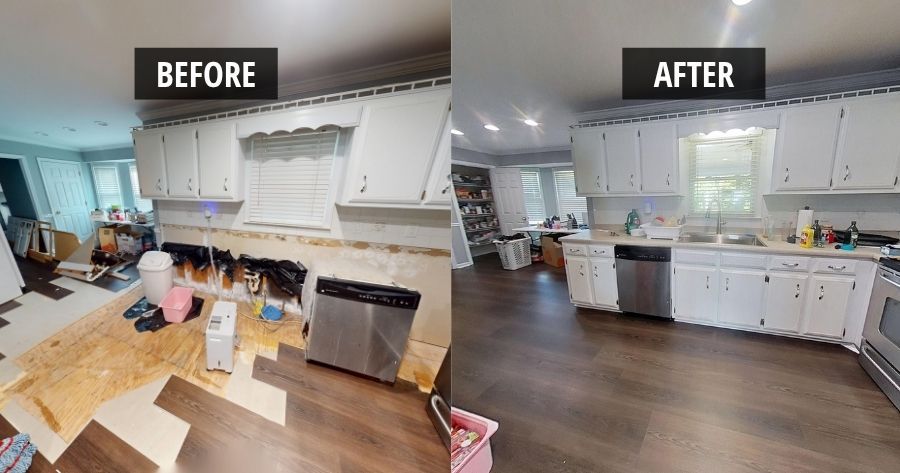
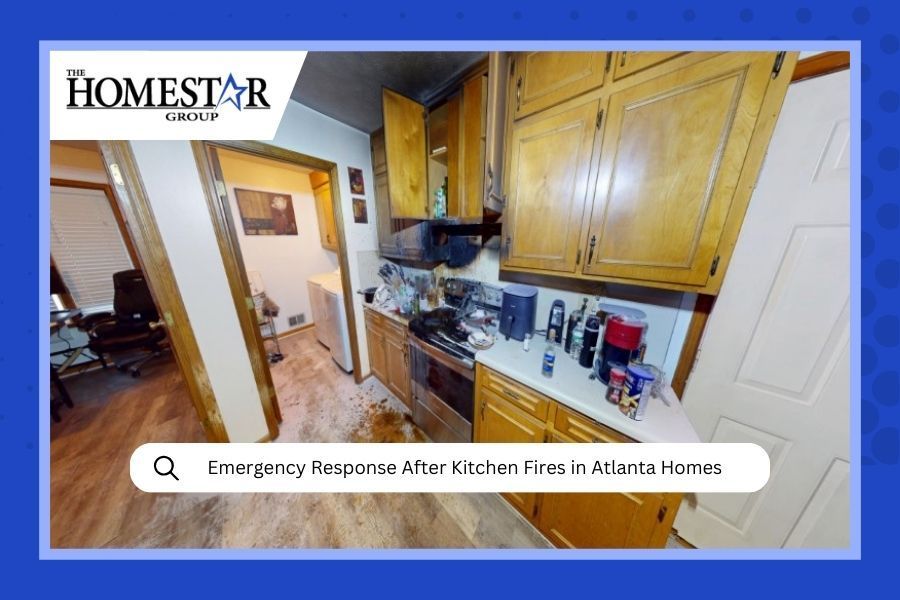
Visible fire and smoke damage before restoration begins. What you can see is often just the starting point.
Charred cabinets and a blackened wall above the stove are the obvious part. Fire damage goes further, and missing it creates serious problems down the road.
Kitchen fires often involve grease, which burns extremely hot. That heat can travel through drywall into wall cavities, damaging insulation and, in worse situations, framing. This isn't something you can spot by looking at a surface. It requires thermal imaging and a professional assessment.
If the fire department used hoses, water damage gets layered underneath the fire damage. Moisture seeps into flooring, subfloor, and lower cabinets quickly. According to the EPA, mold can begin developing in wet building materials within 24 hours, which is why a fast response matters so much in these situations.
How Untreated Fire Damage Gets Worse Over Time
Soot bonds to surfaces. Smoke travels through HVAC if the system runs.
Soot becomes harder to remove. Mold growth begins in water-saturated materials.
Staining may become permanent. Mold is likely present where firefighting water reached.
Mold colonies establish. Deep odor saturates structural materials. Restoration becomes significantly more involved and costly.
Why Smoke and Odor Need Professional Attention
Smoke does not stay in the kitchen. It moves through wall openings, around door frames, and through your ventilation system. By the time the fire is out, smoke residue may already be coating surfaces in your living room, bedrooms, and closets.
Candles, sprays, and airing out a space mask smoke smell temporarily. They don't eliminate it. Smoke odor bonds to porous materials at a molecular level: drywall, wood framing, insulation, upholstery, and carpet padding under flooring that looks completely untouched. True odor elimination requires professional thermal fogging or hydroxyl treatment. Our odor removal services are designed specifically for smoke and fire situations, not general air freshening.
The CDC notes that smoke from structure fires can contain harmful compounds including carbon monoxide and fine particulates. Professional air quality assessment matters well beyond just getting rid of the smell.
What the Restoration Process Actually Looks Like
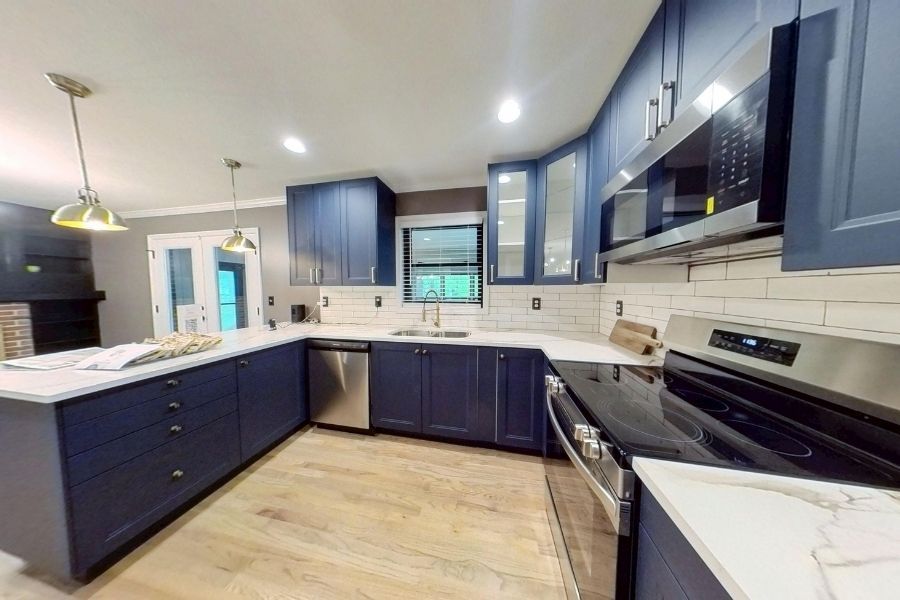
A fully restored kitchen following professional fire damage restoration. Full recovery is absolutely possible with the right team and process.
Kitchen fire restoration is more than cleaning debris and repainting. It is a structured, multi-phase process where each step builds on the last.
- Damage Assessment. A certified technician evaluates fire, smoke, soot, and water damage, including areas that aren't visually obvious.
- Emergency Securing. If windows or walls are compromised, the property is boarded up and secured right away.
- Water Extraction and Drying. Water from firefighting efforts is extracted. Industrial dehumidifiers and air movers run until dry readings confirm the area is clear.
- Soot and Smoke Cleaning. Surfaces are cleaned with HEPA-filtered equipment and professional-grade chemical agents matched to the type of soot present.
- Odor Treatment. Thermal fogging, hydroxyl generators, or ozone treatment is applied based on severity and affected materials.
- Reconstruction. Damaged cabinets, drywall, flooring, and fixtures are rebuilt. Our kitchen renovation services can integrate with the restoration work if you want to update the space while you are at it.
For a real-world example, take a look at our complete fire damage restoration case study from Cumming, GA. It walks through the full process from start to finish.
Navigating Your Insurance Claim After a Kitchen Fire
Report the loss to your insurance company as soon as possible. Most homeowners' policies cover kitchen fire damage, including smoke and soot remediation, and often temporary housing while work is underway. Starting the claim early keeps the process moving and protects your rights as a policyholder.
The Homestar Group works directly with insurance companies on your behalf. We document all damage thoroughly, communicate with your adjuster, and provide the paperwork required to support your claim. Our goal is to make sure nothing gets missed, because what isn't documented usually doesn't get covered. Read more about insurance claims for Atlanta fire damage homes if you want to understand the process before your adjuster calls.
And if you're not sure where to begin, just reach out to our team. We will walk you through the next step.
Frequently Asked Questions
Can I stay in my home after a kitchen fire while repairs are made?
It depends on the extent of the damage. Small fires with minimal smoke spread may allow you to stay in unaffected parts of the home. Fires with significant soot, odor, or water damage usually make the home unsafe or unlivable during remediation. Your restoration company will assess this at the initial inspection, and your insurance policy may cover temporary housing if relocation is needed.
How long does kitchen fire restoration take in the Atlanta area?
Smaller kitchen fires with limited smoke spread can be remediated in a few days to a couple of weeks. More extensive damage involving structural repairs, widespread soot, or firefighting water can take several weeks. The rebuild phase, which includes new cabinets, drywall, and flooring, adds additional time depending on the scope of the project.
What are the most common causes of kitchen fires in Atlanta homes?
Unattended cooking is the leading cause nationally and locally. Grease fires are particularly dangerous because water makes them worse. Faulty appliances, electrical issues near kitchen areas, and flammable items left too close to burners are also frequent culprits. Our team handles all of these scenarios regularly across Conyers, Decatur, Marietta, Stone Mountain, and the broader Atlanta metro.
Does fire restoration include cleaning personal belongings and furniture?
Yes. Content cleaning is a standard part of fire damage restoration and covers furniture, clothing, electronics, and household items affected by soot and smoke. Items are often packed out and cleaned at a specialized facility. Not everything can be saved, but professional content cleaning recovers far more than most homeowners expect. The Homestar Group handles this as part of our full-service restoration process.
The Homestar Group. Atlanta's Trusted Fire Restoration Team.
IICRC-certified, 15+ years of experience, and available 24/7 for emergencies across the Atlanta metro area.
Contact Our Team
Jeremy York is the owner of The Homestar Group, bringing over 15 years of experience in the water and fire damage restoration industry to homeowners and businesses throughout the Atlanta metro area. Under his leadership, The Homestar Group has built a reputation for reliable 24/7 emergency response and professional restoration services backed by IICRC certification. Jeremy is committed to serving the local community and takes pride in helping families and business owners recover from unexpected disasters. His hands-on approach ensures every customer receives the care and attention they deserve during challenging times.