Fire Damage Insurance Claims Process in Atlanta
Jump To:
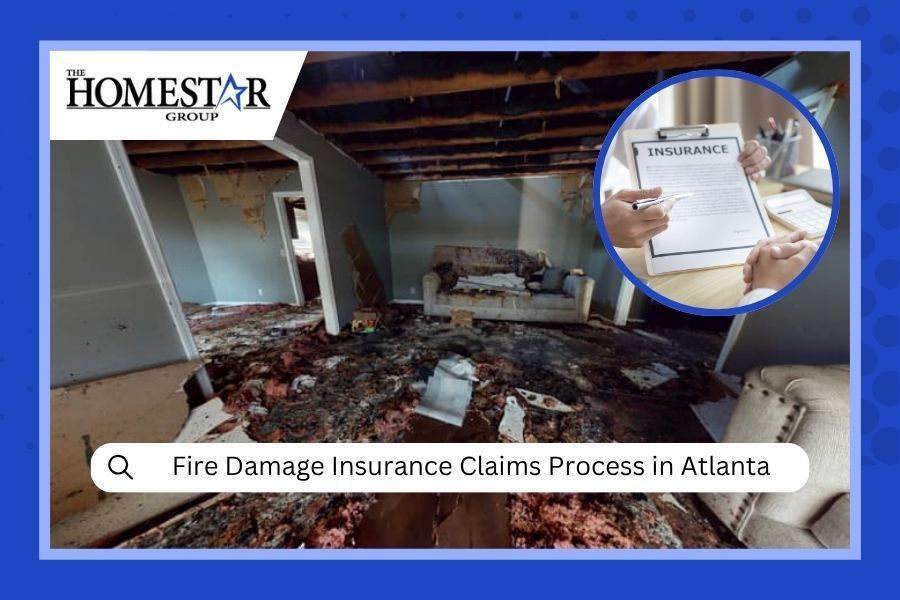
Filing a fire damage insurance claim in Atlanta can feel overwhelming when you're already dealing with the emotional weight of property loss. The good news? Most standard homeowners policies do cover fire damage, and understanding the process puts you in control of your recovery. Our IICRC-certified team at The Homestar Group has guided hundreds of Atlanta homeowners through fire damage restoration claims, and preparation consistently makes the difference between a smooth payout and months of frustration.
Below, we break down what's covered, how to file, what to document, and the mistakes that cost homeowners money.
What Does a Fire Damage Insurance Claim Cover?
Most homeowners insurance policies in Georgia cover fire damage under three categories: dwelling coverage (structural repairs to walls, flooring, roof, and fixtures), personal property coverage (belongings like furniture, electronics, and clothing), and additional living expenses, or ALE.
ALE is the one people forget about. If your home isn't habitable during restoration, your policy typically covers temporary housing, meals, and other reasonable expenses. In the Atlanta metro area, that adds up fast.
What's Typically NOT Covered
Standard policies won't cover fires caused by intentional acts, and fires resulting from negligence or code violations can complicate your claim. If your home has existing issues, like outdated wiring that contributed to an electrical fire, your insurer might push back on the full payout.
The bottom line? Read your policy now. Knowing your coverage limits, deductible, and exclusions helps you set realistic expectations.
Dealing With Fire Damage in Atlanta? We Can Help.
Our team handles insurance claims assistance so you can focus on your family, not paperwork.
Get a Free EstimateHow to File a Fire Damage Insurance Claim Step by Step
Every insurer has slightly different timelines, but the general sequence stays the same. Here's the roadmap we recommend after 15+ years of working alongside Atlanta homeowners and their insurance providers.
Step 1: Contact Your Insurance Company Immediately
Call your insurer as soon as it's safe to do so. Most policies require "prompt notice" of a loss, and delays give the insurer grounds to question your claim. Have your policy number ready and describe the damage in general terms. Don't speculate about causes or costs.
Step 2: Secure the Property
You're responsible for preventing further damage to your home after a fire. That means boarding up broken windows, tarping exposed roof sections, and shutting off utilities if they haven't been disconnected already. Keep receipts for any emergency repairs or board-up services, because your insurance should reimburse those costs.
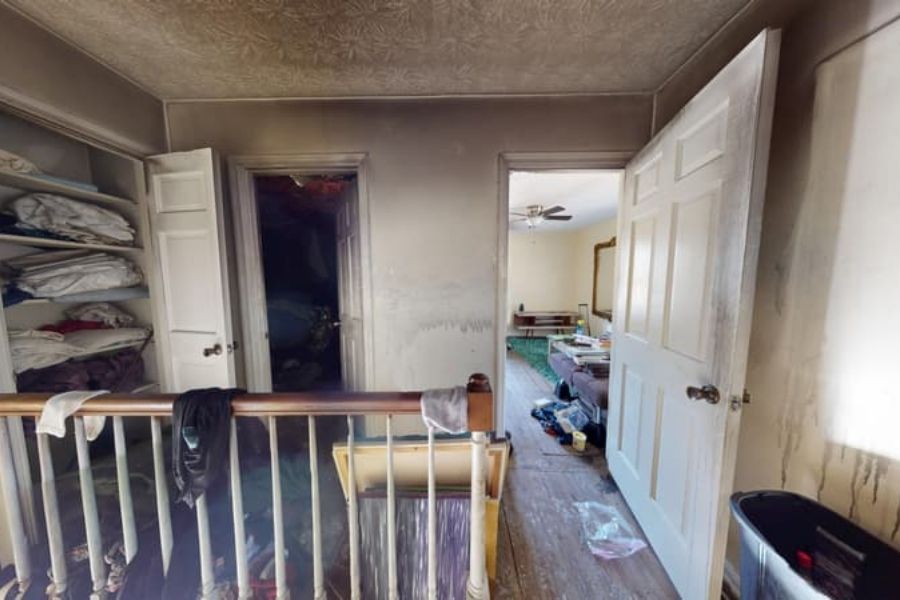
Soot residue like this spreads far beyond the fire's origin point, affecting rooms that may look undamaged at first glance.
Step 3: Document Everything Before Cleanup Begins
This is the step people rush through, and it's the one that matters most. Take photos and video of every room, every damaged item, every piece of charred material. Document smoke damage on walls, ceilings, and inside closets. Even if items are destroyed, photograph the remains. Your adjuster needs visual proof.
Step 4: Create a Detailed Inventory of Damaged Property
Go room by room and list every damaged or destroyed item. Include descriptions, approximate purchase dates, and estimated replacement costs. If you have original receipts, bank statements, or online order histories, pull those together. This inventory becomes the backbone of your personal property claim.
Step 5: Meet With the Insurance Adjuster
Your insurer will send an adjuster to inspect the damage. Be present for this inspection. Walk through the property with them, point out hidden smoke damage in attics, HVAC systems, and behind walls, and ask questions about their assessment. You can get a second opinion if you disagree.
Step 6: Get Professional Restoration Estimates
Before accepting a settlement, get at least one detailed estimate from an IICRC-certified restoration company. A professional assessment often identifies damage the adjuster overlooked, like structural weakening, contaminated insulation, or smoke and soot penetration in areas that appear untouched. This estimate strengthens your negotiating position.
Step 7: Review the Settlement Carefully
Don't sign anything until you've reviewed the settlement offer line by line. Compare it against your inventory, your restoration estimates, and your policy limits. If the numbers don't add up, negotiate. Georgia law allows you to hire a public adjuster to advocate on your behalf.
What Should You Document After a House Fire?
Documentation is the single biggest factor in getting a fair payout. The U.S. Fire Administration's recovery guide confirms that systematic documentation leads to faster claim resolutions. Here's what to capture:
| What to Document | Why It Matters |
|---|---|
| Photos and video of every room | Proves the extent of damage before cleanup begins |
| Close-up shots of structural damage | Supports dwelling coverage claims for walls, floors, and ceilings |
| Room-by-room personal property inventory | Forms the basis of your personal property claim amount |
| Receipts for emergency expenses | Reimbursable under ALE and emergency mitigation coverage |
| Fire department report | Official record of the fire's cause and scope |
| Communication log with insurer | Protects you if disputes arise about timelines or promises |
A quick tip from our experience: use your phone's timestamp feature. Dated photos are significantly more valuable to adjusters than undated ones.
Mistakes That Delay or Reduce Fire Damage Claims
After working on fire restoration projects across Conyers, Marietta, Decatur, and the greater Atlanta area, we see the same mistakes trip up homeowners repeatedly. Avoiding these saves you thousands and weeks of delays.
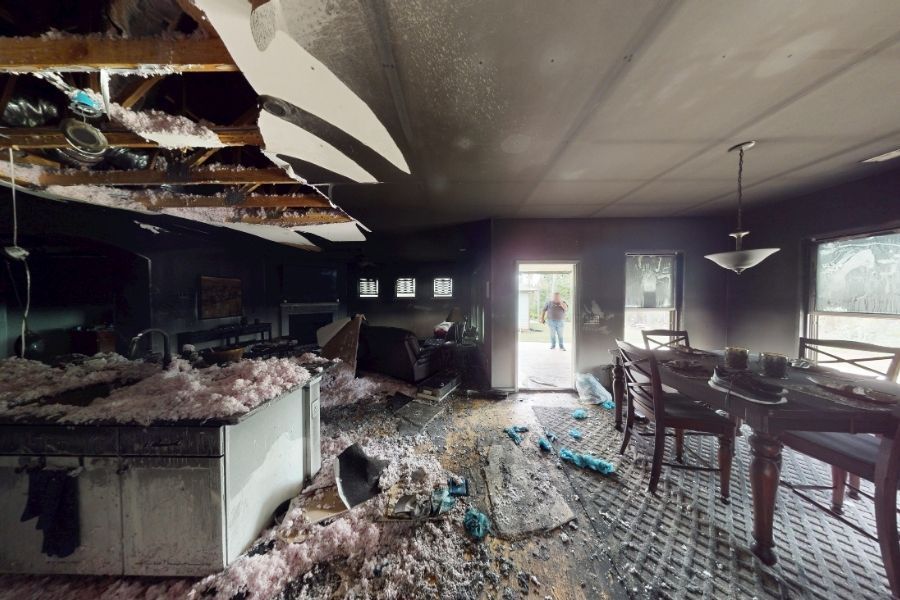
Kitchen fires cause some of the most extensive structural damage in residential properties, often affecting adjacent rooms and HVAC systems.
Throwing Away Damaged Items Too Soon
We get it, you want the ruined stuff gone. But disposing of damaged property before the adjuster inspects it can cost you. Keep everything until your claim is documented. The adjuster needs to see it.
Not Reporting the Claim Quickly Enough
Most insurance policies include a "prompt notice" requirement. Waiting days or weeks gives insurers an argument that the delay caused additional damage. File within 24 to 48 hours.
Accepting the First Offer Without Question
Initial settlement offers are often lower than what you're entitled to. That's not necessarily bad faith on the insurer's part; adjusters work from estimates that may not capture hidden damage. Getting an independent restoration estimate, like the kind our team provides, gives you real numbers to compare against the offer.
Ignoring Smoke and Soot Damage
Smoke travels everywhere. It seeps into ductwork, embeds in fabrics, and corrodes electronics. If you only claim the visible fire damage, you're leaving money on the table. A thorough assessment from a certified restoration company identifies damage you can't see. The IICRC S700 standard for fire and smoke restoration outlines the full scope of what professional assessment should cover.
How a Restoration Company Helps With the Claims Process
A good restoration company does more than clean up damage. They become your partner through the entire claims process.
When our team at The Homestar Group responds to a fire damage call, we start with a detailed damage assessment: photos, moisture readings (water damage from firefighting efforts is extremely common), and room-by-room condition reports. That documentation goes straight to your insurer.
Because we're licensed for both restoration and reconstruction, our line-item estimates cover the full scope from demolition to rebuild. Fewer gaps between what the adjuster approves and what the project actually requires.
💡 Did You Know?
Water damage from fire suppression (hoses, sprinklers) often causes as much financial loss as the fire itself. A thorough assessment should cover both fire AND water damage. Our team handles both, so nothing gets missed. Learn more about the fire damage cleanup process for Atlanta homeowners.
The biggest advantage? We speak the insurance company's language. We know what adjusters look for, how to format estimates they'll accept, and how to supplement claims when assessments fall short.
Need Help With a Fire Damage Insurance Claim?
The Homestar Group works directly with insurance companies to help Atlanta-area homeowners recover faster. Available 24/7.
Contact Our TeamFor more details, read our guide on insurance claims for Atlanta fire damage homes. And for tips on protecting your property while waiting for restoration, see our post on preventing further damage after a fire.
Frequently Asked Questions
How long does a fire damage insurance claim take in Georgia?
Most fire damage claims in Georgia take between 30 and 90 days to settle, depending on the extent of the damage and the complexity of the repairs needed. Larger losses involving structural reconstruction can take longer, especially if supplemental claims are filed after hidden damage is discovered during restoration.
Will my insurance cover temporary housing after a fire?
Yes, most standard homeowners insurance policies include Additional Living Expenses (ALE) coverage. This reimburses you for hotel stays, rental housing, meals, and other reasonable living costs while your home is uninhabitable. Keep all receipts and track your expenses carefully.
Should I start cleaning up fire damage before the adjuster visits?
No. Do not begin cleanup or throw away damaged items until the insurance adjuster has inspected the property. You can take steps to prevent further damage, like boarding up openings and covering exposed areas, but leave all fire-damaged materials in place for documentation purposes.
Can I choose my own restoration company, or does the insurance company decide?
You have the right to choose your own restoration company. While your insurer may recommend preferred vendors, you are not obligated to use them. Choosing an IICRC-certified company that has experience working with insurance claims, like The Homestar Group, ensures your interests are represented throughout the process.

Jeremy York is the owner of The Homestar Group, bringing over 15 years of experience in the water and fire damage restoration industry to homeowners and businesses throughout the Atlanta metro area. Under his leadership, The Homestar Group has built a reputation for reliable 24/7 emergency response and professional restoration services backed by IICRC certification. Jeremy is committed to serving the local community and takes pride in helping families and business owners recover from unexpected disasters. His hands-on approach ensures every customer receives the care and attention they deserve during challenging times.