One Flood, Three Floors: A Snellville Water Damage Restoration Story
How Does One Flood Reach All Three Floors of a Home?
When a flood worked its way through all three levels of a Snellville home, our team at The Homestar Group handled the cleanup from the top floor down to the garage. It was a big water damage restoration job, and our IICRC certified crew treated it like a puzzle. Find every wet spot, then dry it for good.
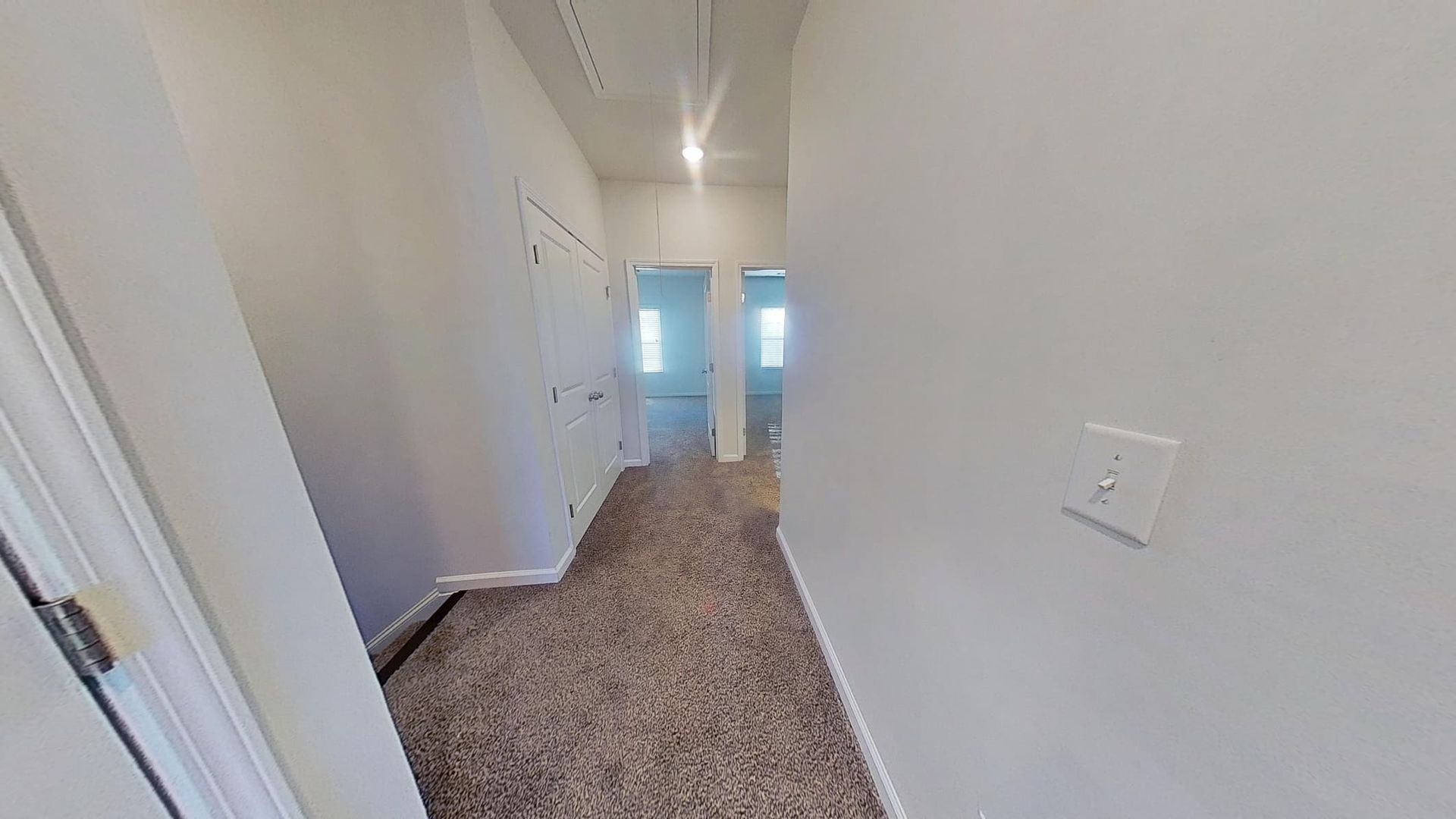
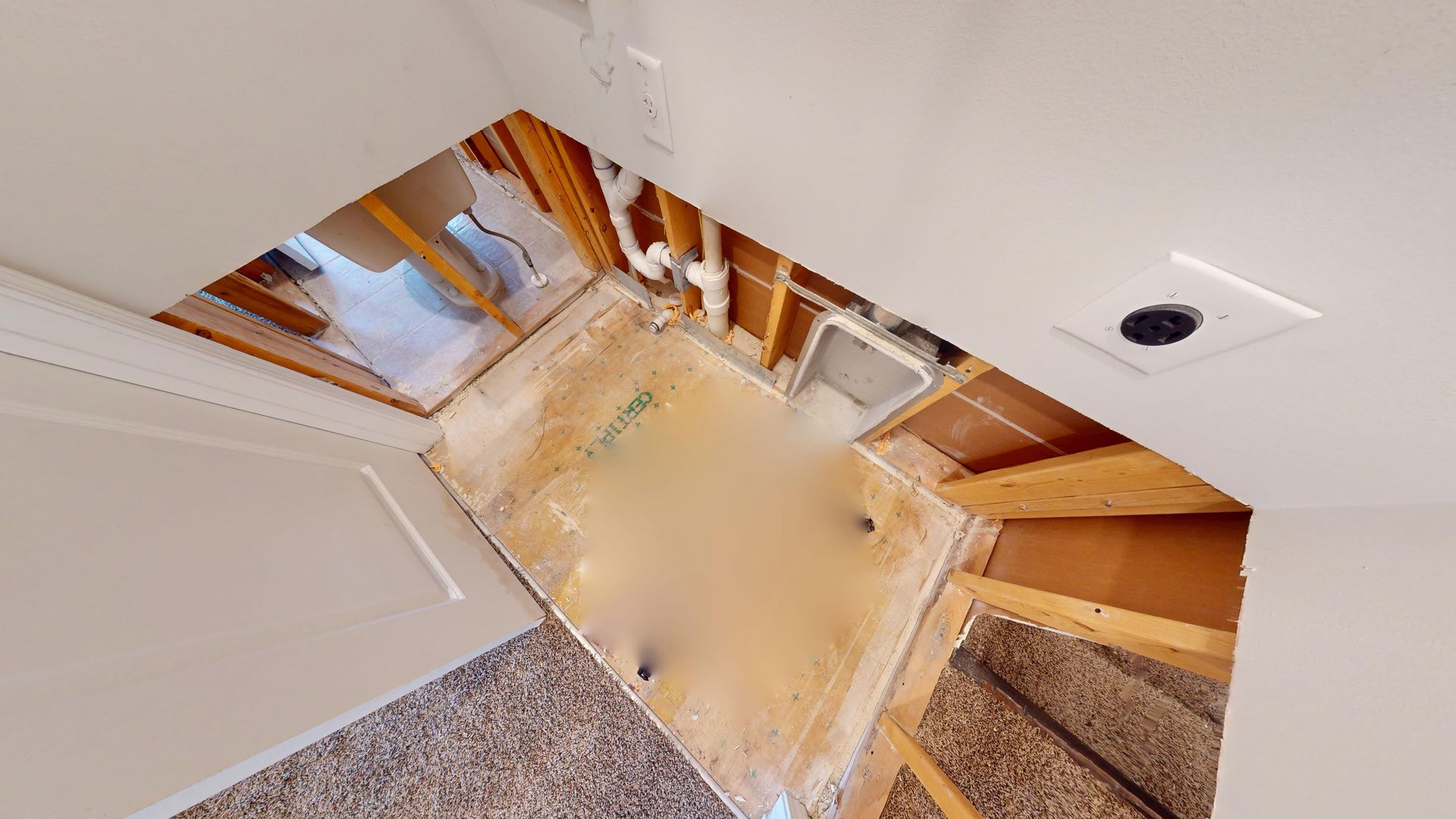
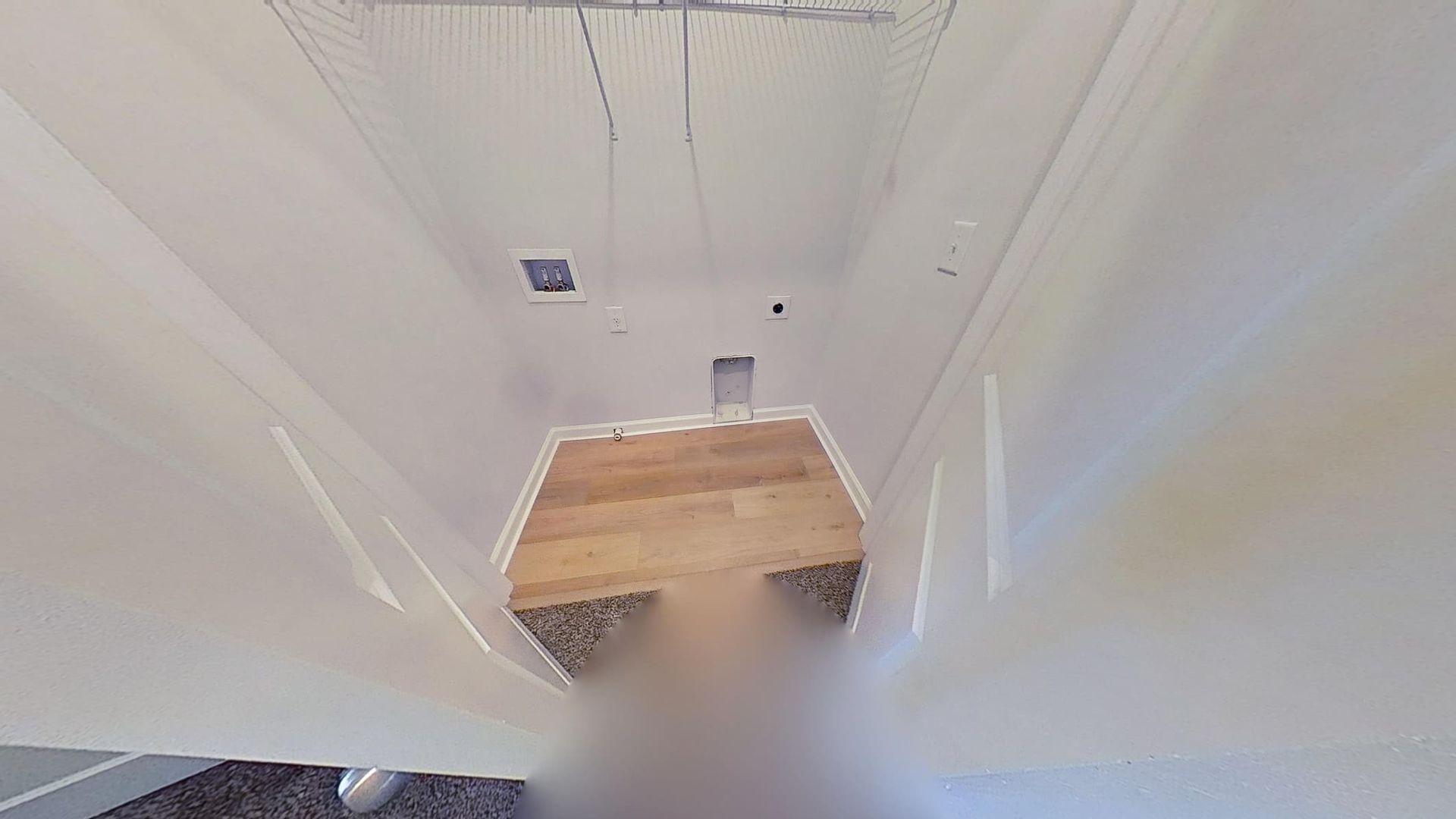
The water started on the top floor and did what water always does. It headed down. Along the way it soaked the kitchen areas, the laundry closet, the hallway, the upstairs space, and the stairway and living room before reaching the front entrance and garage.
Gravity is undefeated, unfortunately. For the family, that meant three floors of mess and no clear idea where the damage actually stopped. Figuring that out was our first job.
Where Do You Start When Every Floor Is Wet?
On a multilevel water loss, we start at the top and follow the water down, because that's the path it took. Our crew used moisture meters and thermal imaging on every floor to map where water had spread. Ceilings, wall cavities, and subfloors hold water long after surfaces look dry.
That's the tricky part of a three story home. Water that soaks a floor upstairs often ends up sitting on top of the ceiling below it, completely out of sight. Our moisture map kept us from missing any of those hiding spots.
Removing What Couldn't Be Saved
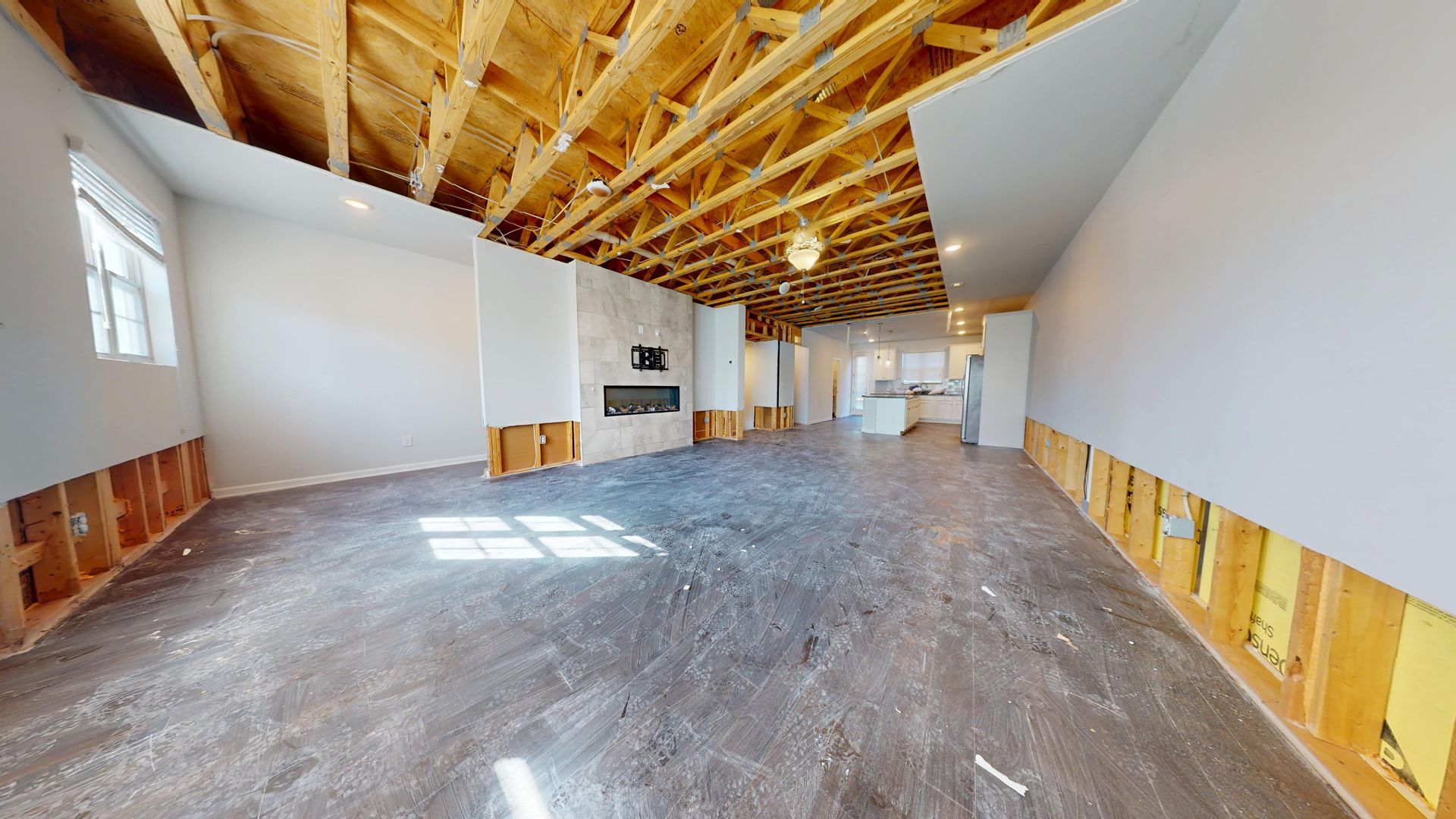
With the map in hand, we extracted the standing water and pulled out materials that were too far gone. That meant soaked flooring, wet baseboards, and sections of drywall on more than one level. Opening a wall near the floor gives air a path to the studs, and skipping that step can leave a wall damp inside even while the room feels perfectly fine.
Ceiling Safety Tip From Our Crew
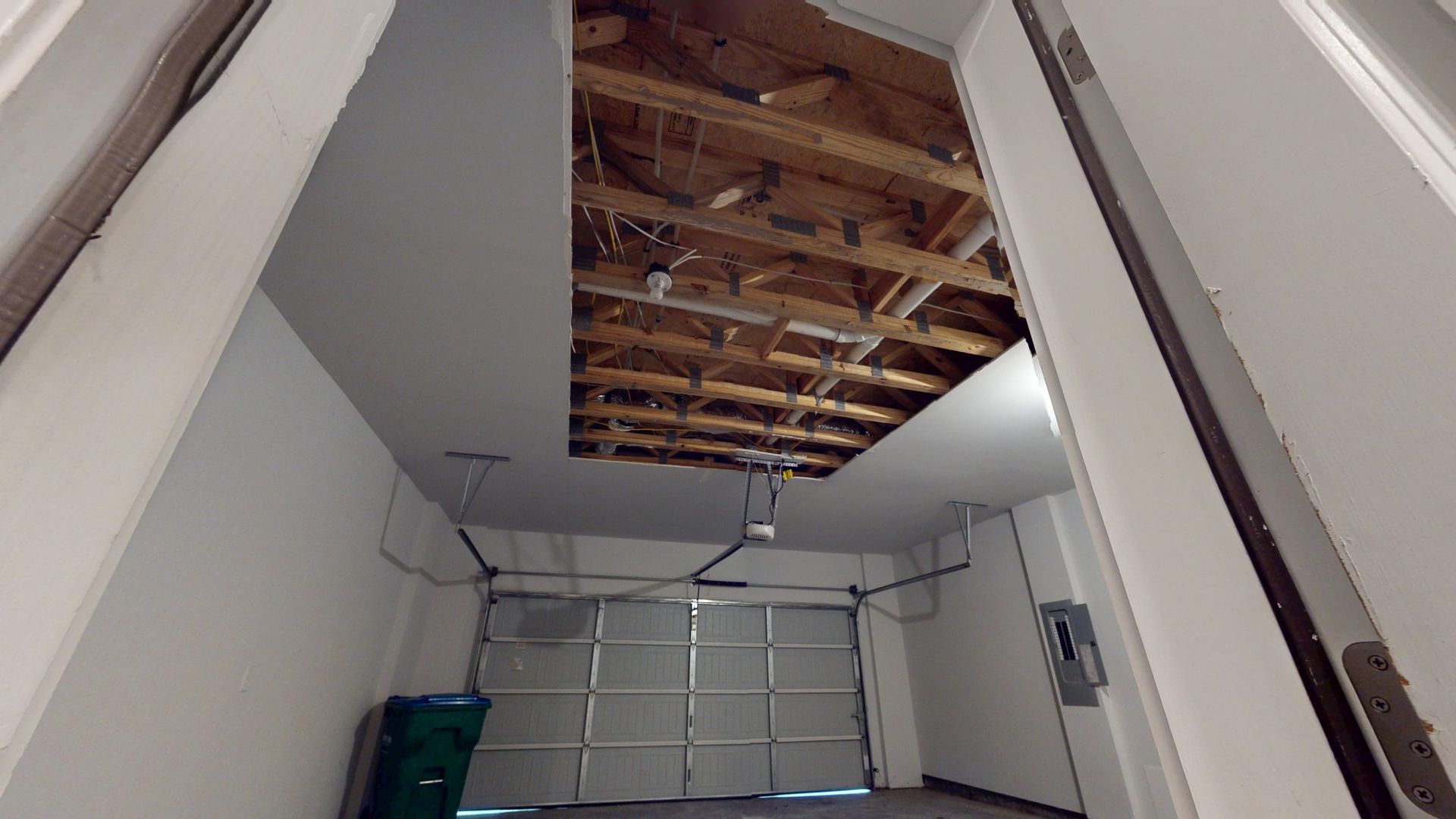
If a ceiling is sagging or bulging after water gets loose upstairs, don't stand under it or poke it. Water can pool above the drywall, and that panel can give way with little warning.
How Do You Dry Out Three Floors at Once?
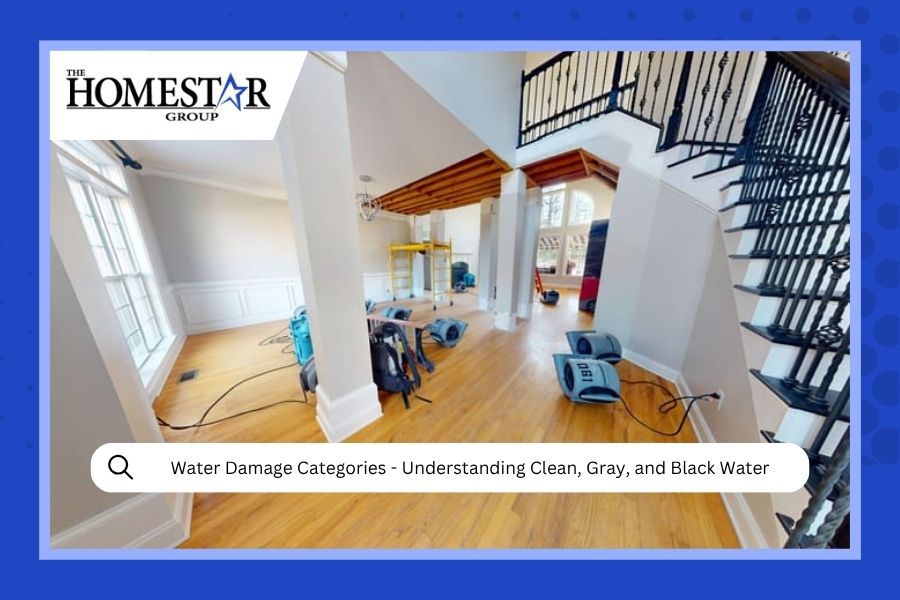
Drying three floors at once takes equipment on every level and readings that prove each one is actually dry. We set up commercial air movers and dehumidifiers from the top floor to the garage. Then we kept checking, because a room that feels dry and a room that tests dry aren't always the same.
Stairways add a twist. Warm, humid air drifts upward, so an upper floor can end up fighting moisture from the levels below it. We balanced the equipment so every floor pulled its own weight.
Our process follows the IICRC S500 water damage standard, which spells out how pros should assess and dry a structure. Speed matters, too. The EPA guide to mold and moisture recommends drying wet materials within 24 to 48 hours to help prevent mold growth.
Keeping mold out is a lot easier than getting it out later, and our mold remediation crew would happily never visit this house. Want the nuts and bolts? Our post on drying out water damage explains the equipment and how long it usually runs.
What Did the Home Look Like After Cleanup?
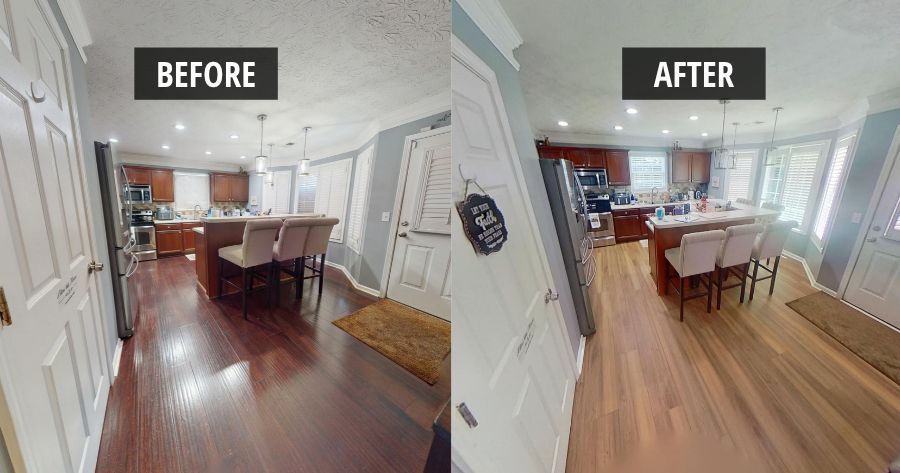
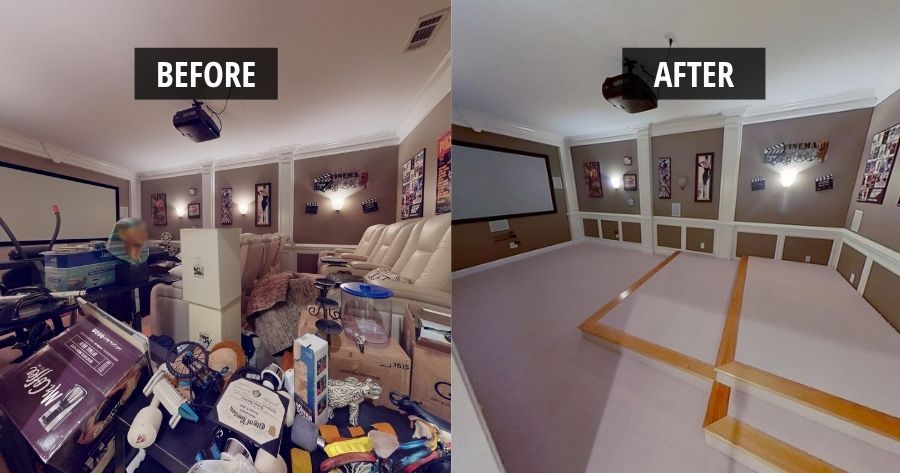
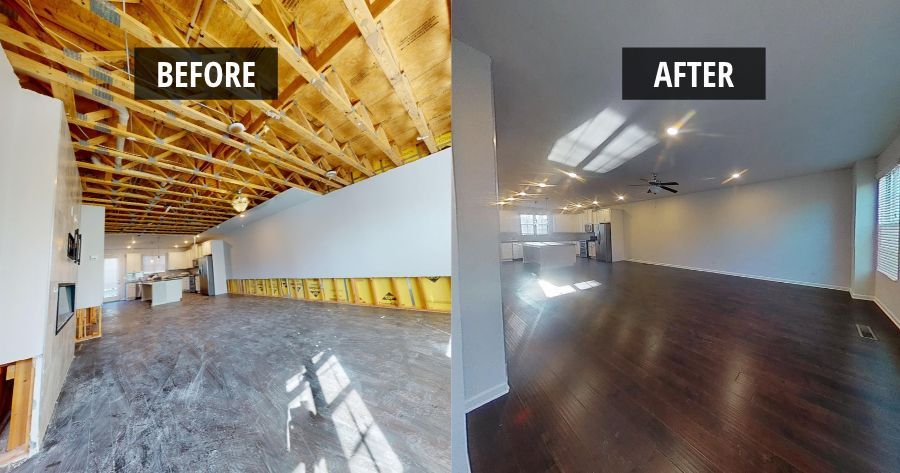
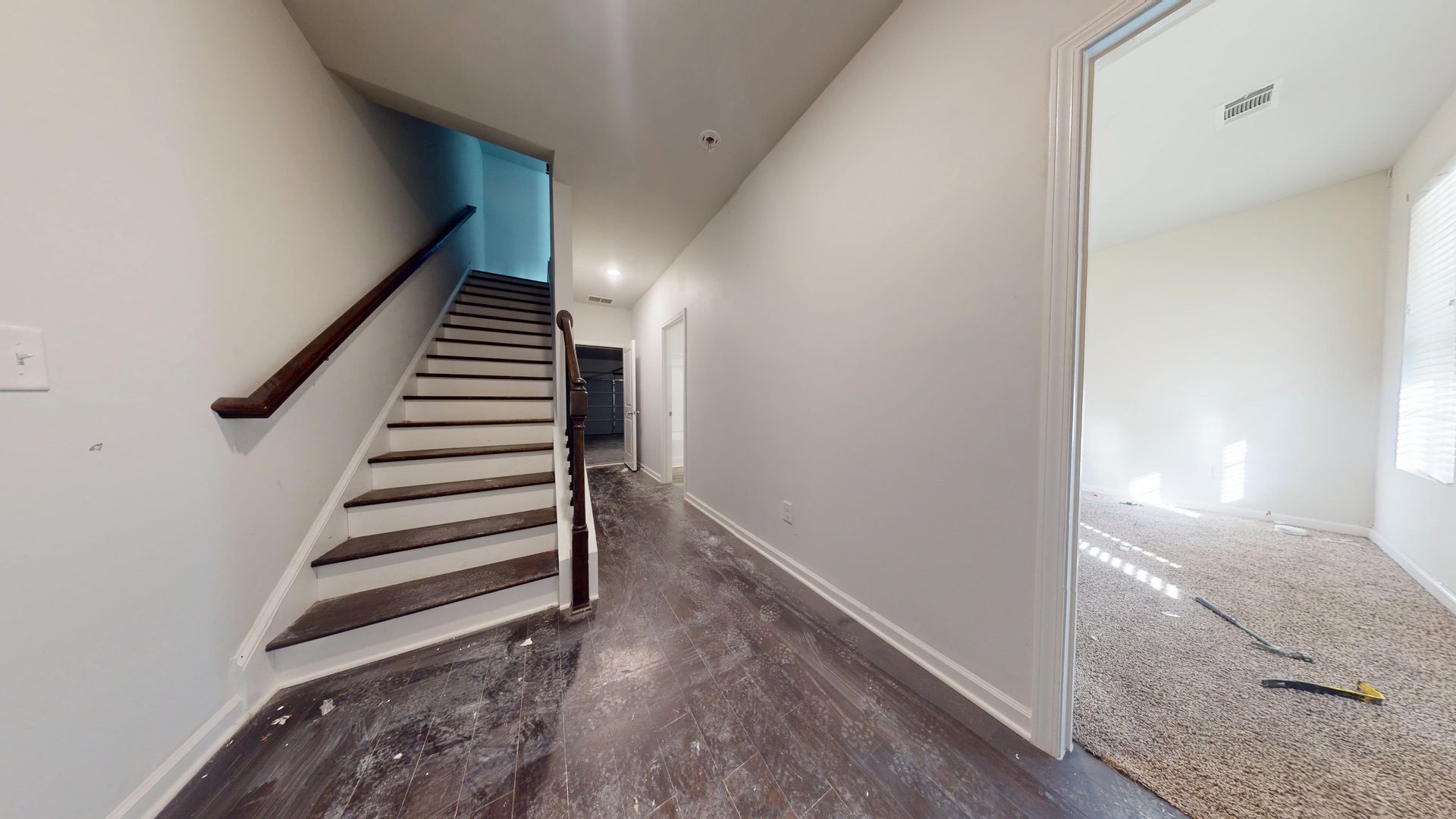
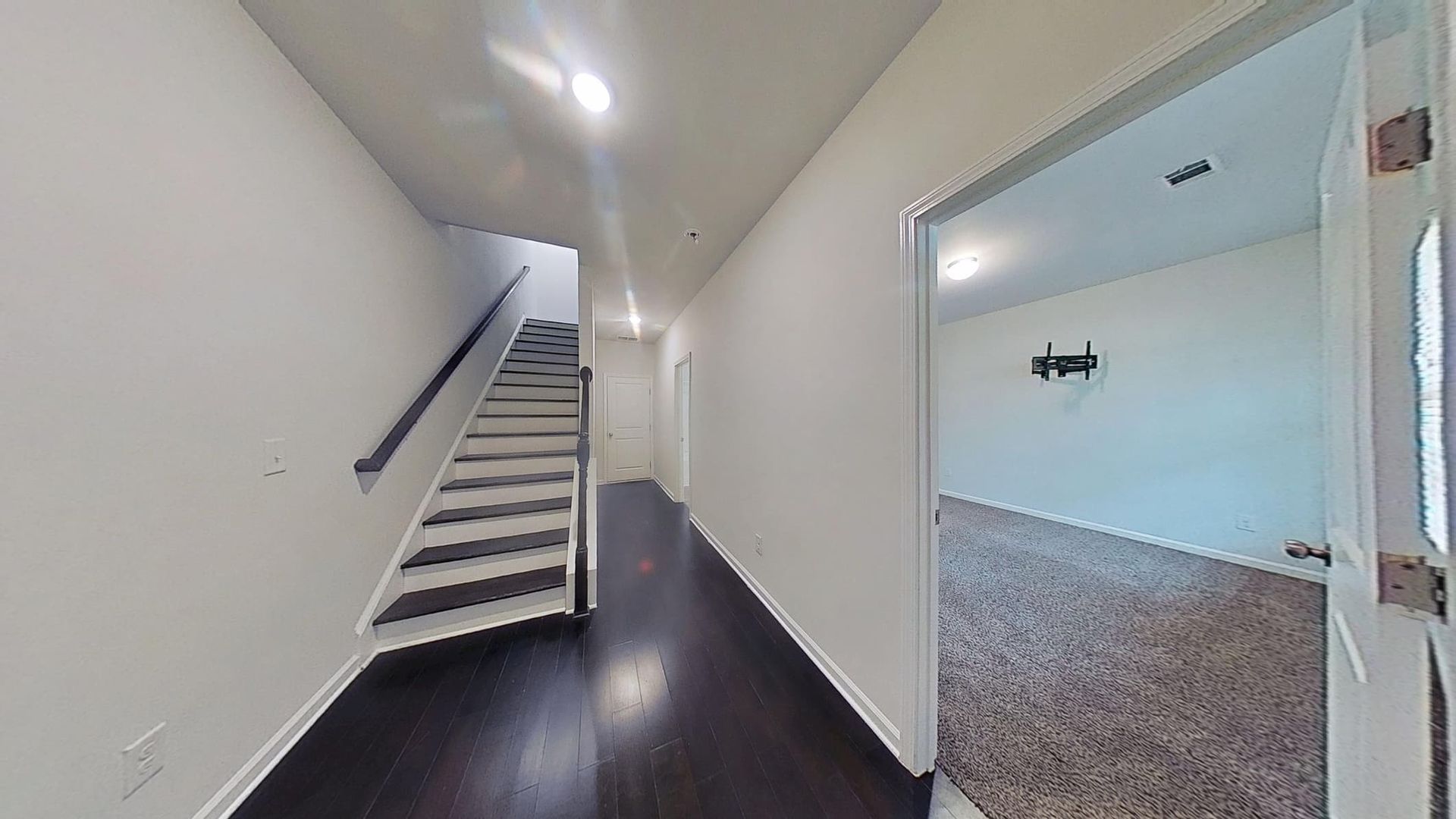
By the end, all three levels were clean, dry, and tested, with every reading back where it belonged. The before and after photos tell this part best. The garage and front entrance were cleared out and dried, and the stairway, kitchen areas, and upstairs spaces were ready for the next step.
For the family, the best moment wasn't watching our equipment roll out the door. It was knowing the water was gone from places nobody could see. Photos can't really show that part.
Big losses like this are what our flood damage restoration crews train for. Since we also handle reconstruction, the repairs that come next don't have to start over with a brand new company and a brand new learning curve. We've helped plenty of folks nearby, too, like this Snellville kitchen with soaked cabinets.
What Should You Do If Water Reaches More Than One Floor?
If water reaches more than one floor, assume it traveled further than you can see and act fast. A few simple moves can limit the damage, protect your insurance claim, and make the whole process easier. Here's what this Snellville job reminded us to pass along.
- Shut off the main water valve first, and make sure everyone in the house knows where it is.
- Check the rooms below any wet floor, even if the ceiling looks fine for now.
- Don't trust a box fan alone, since moisture meters catch what your hands can't.
- Photograph every room before cleanup starts, and lean on our guide to documenting water damage for insurance while we work directly with your insurer.
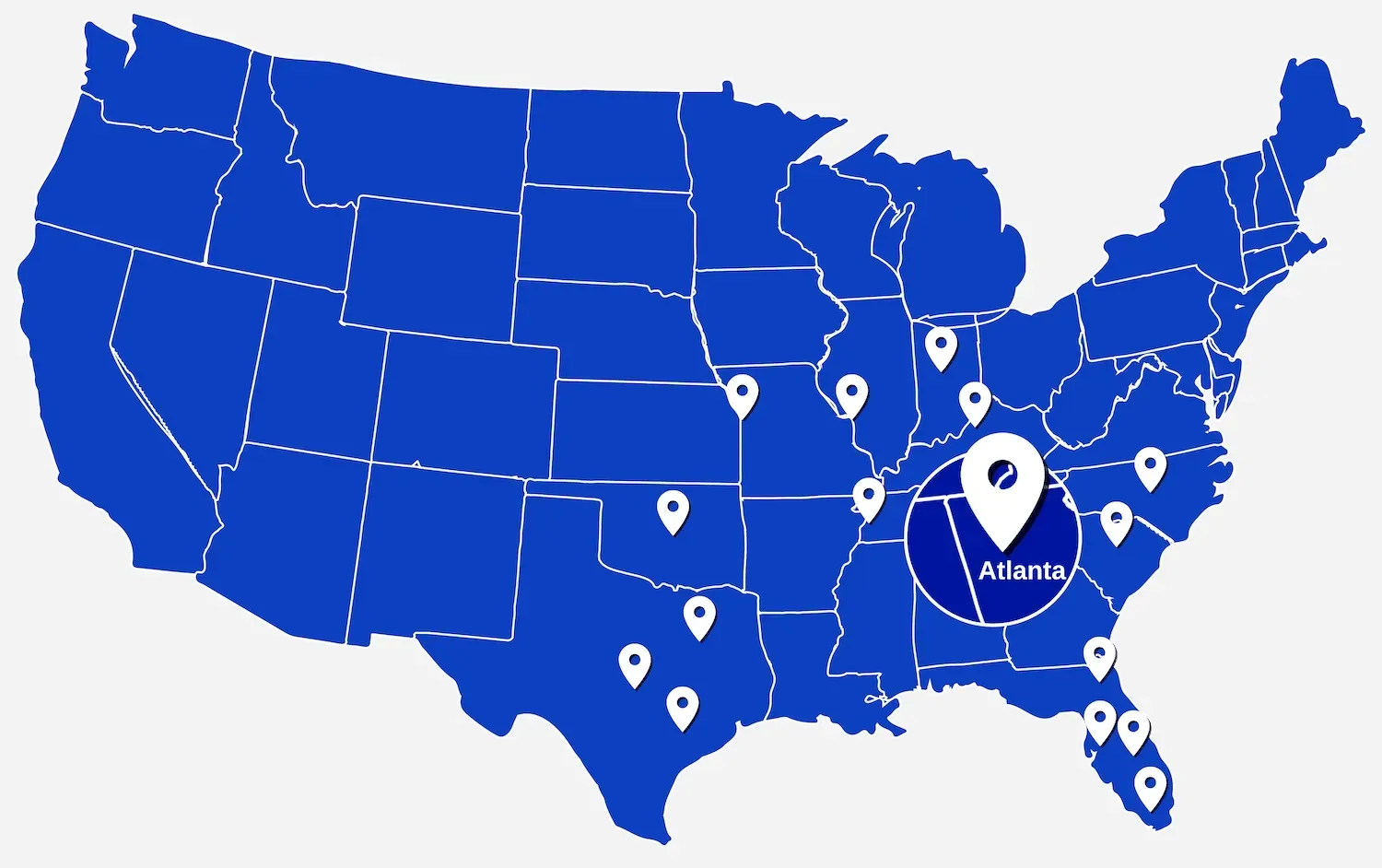
Snellville is a short drive from our Conyers home base, so we're out on this side of the metro all the time.
Home Entrance
 Before
 After
Garage
 Before
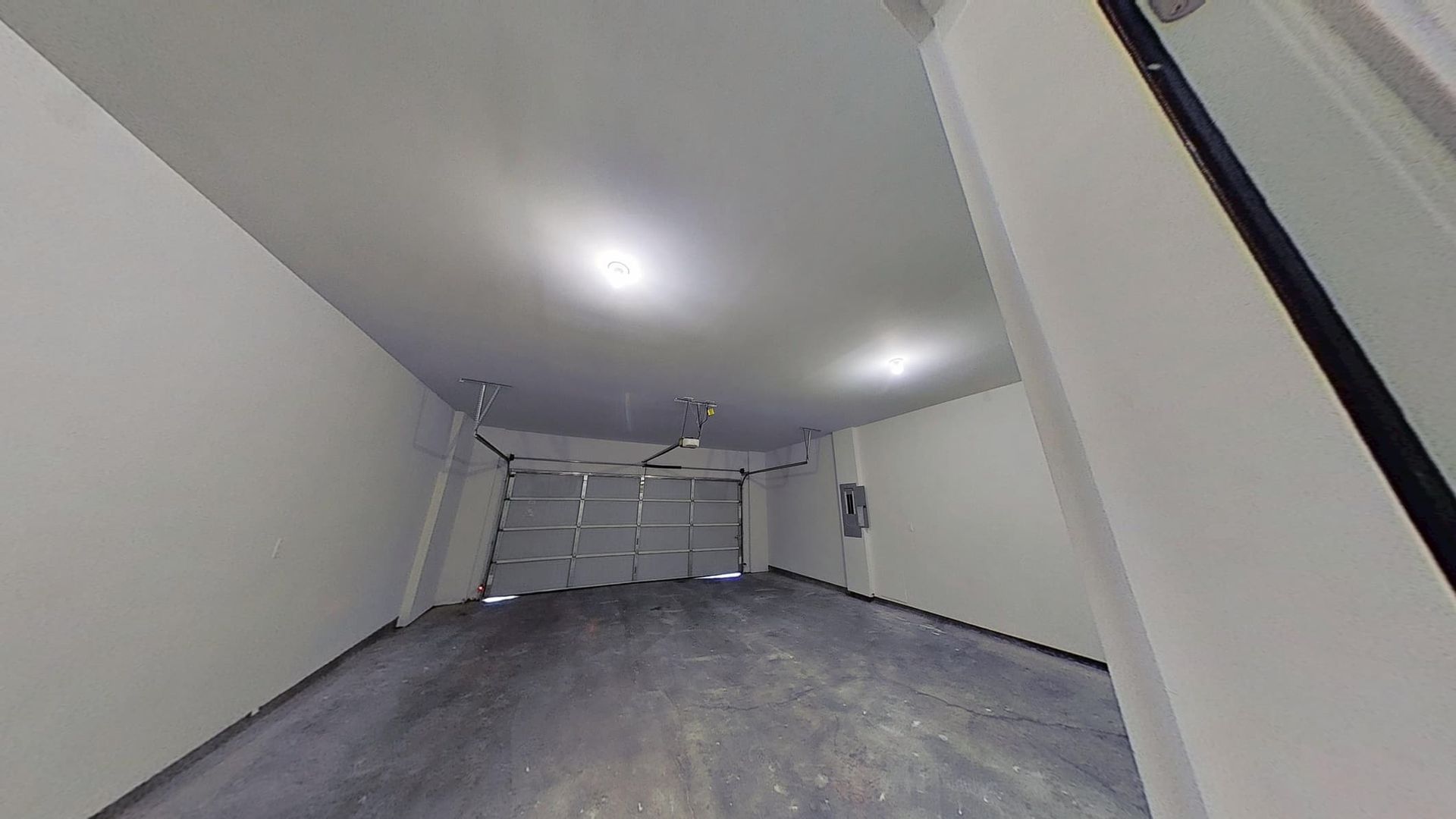 After
Stairway and Living Room
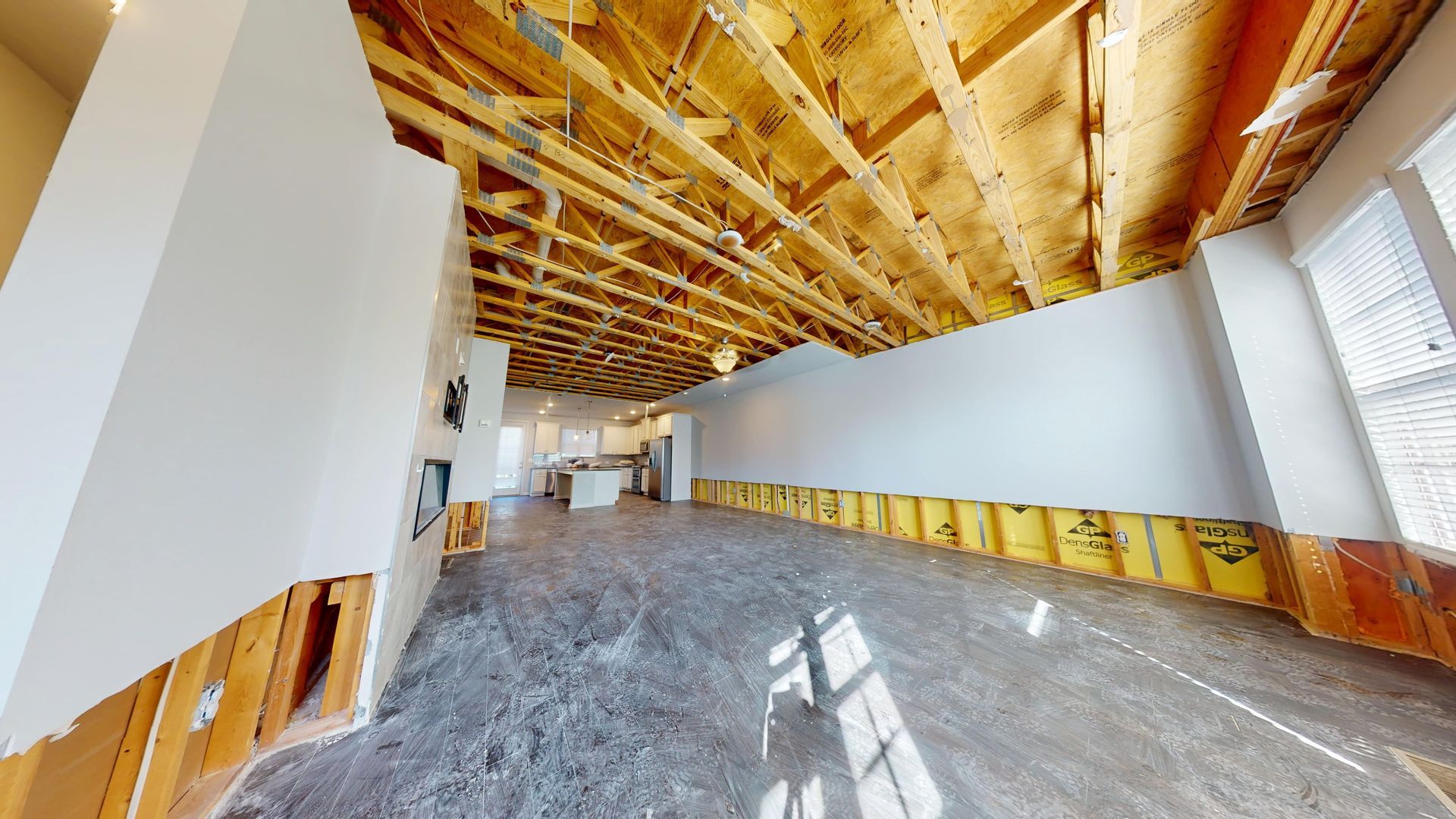 Before
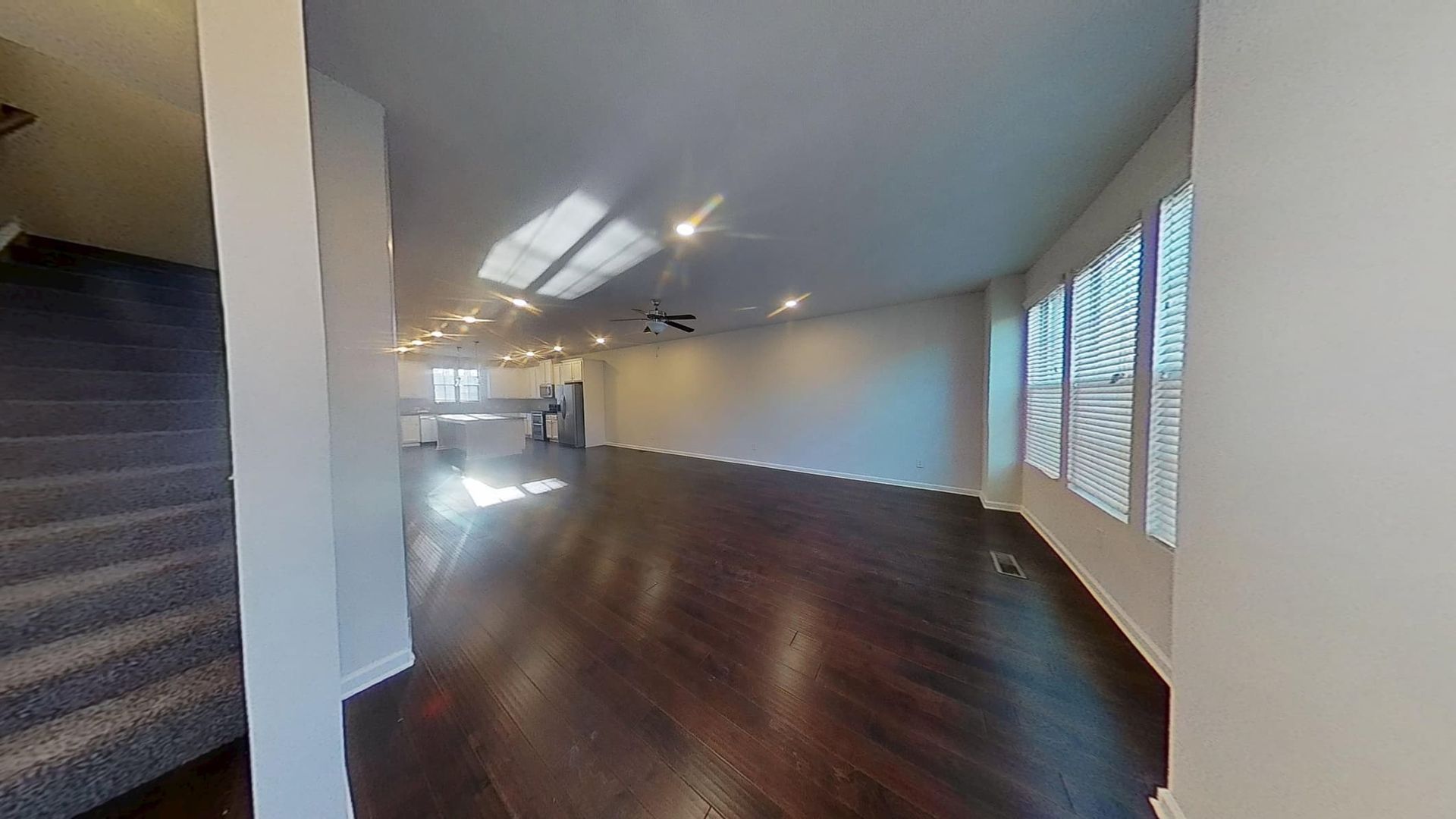 After
Upstairs Space
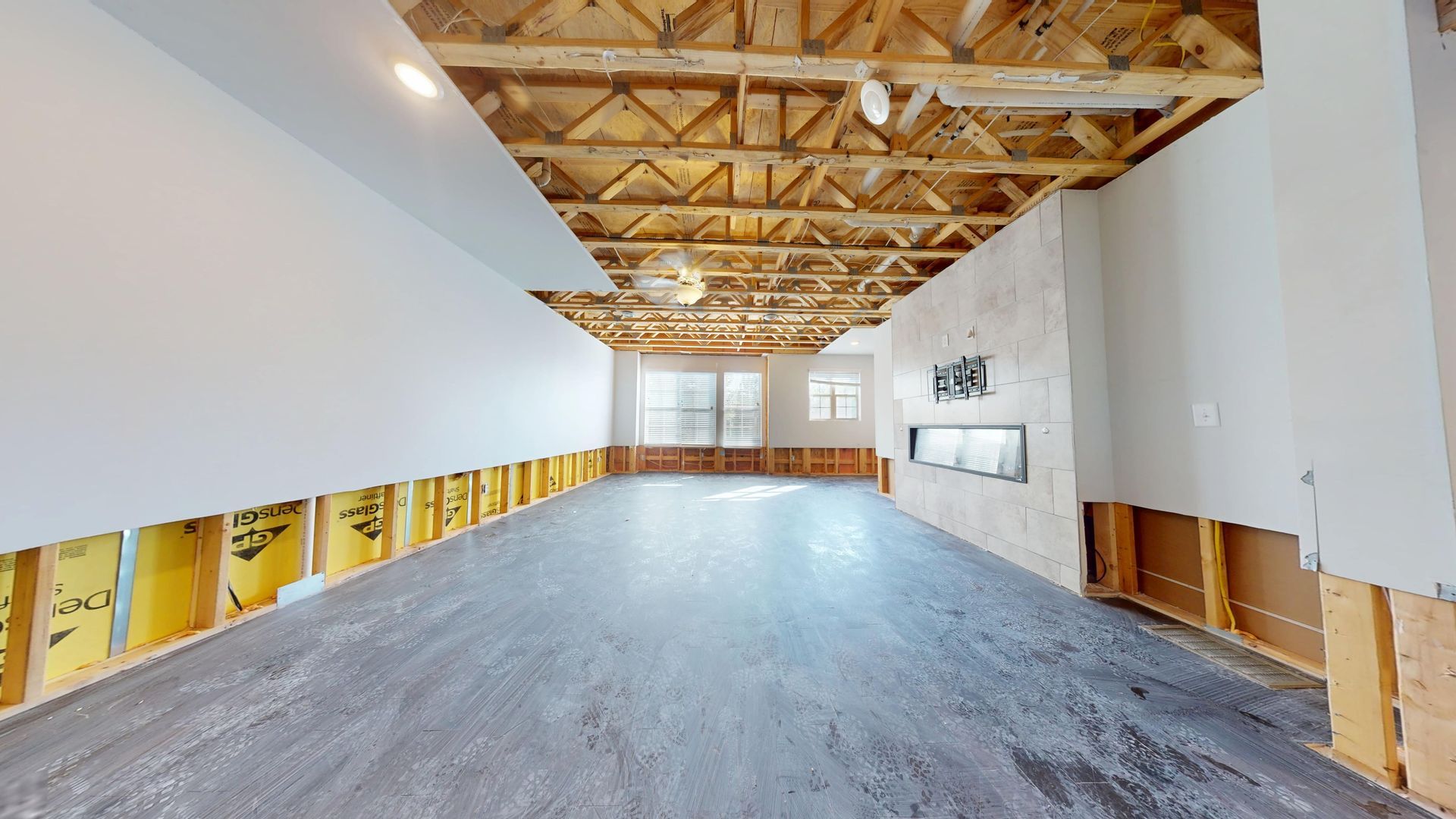 Before
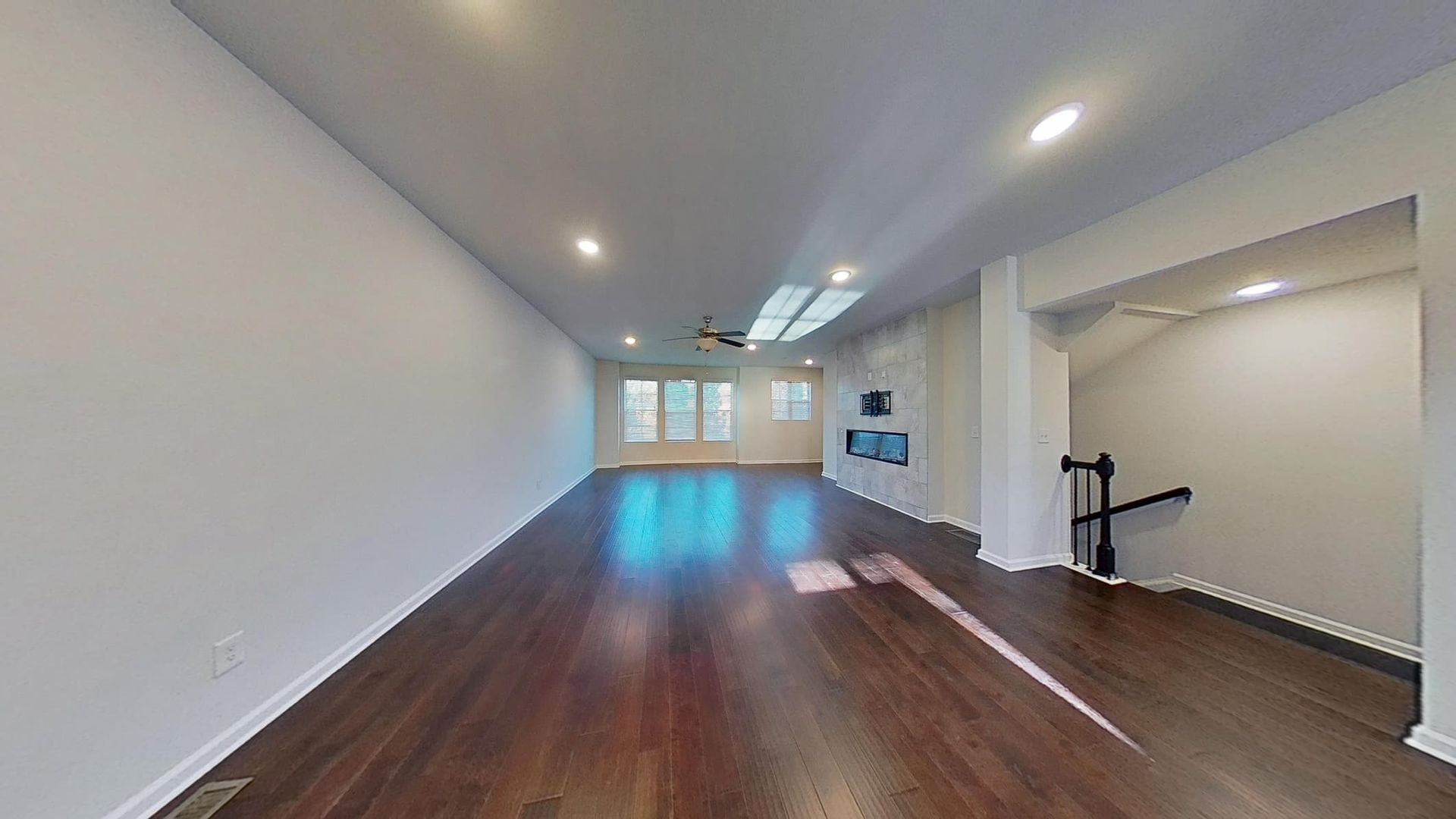 After
Kitchen
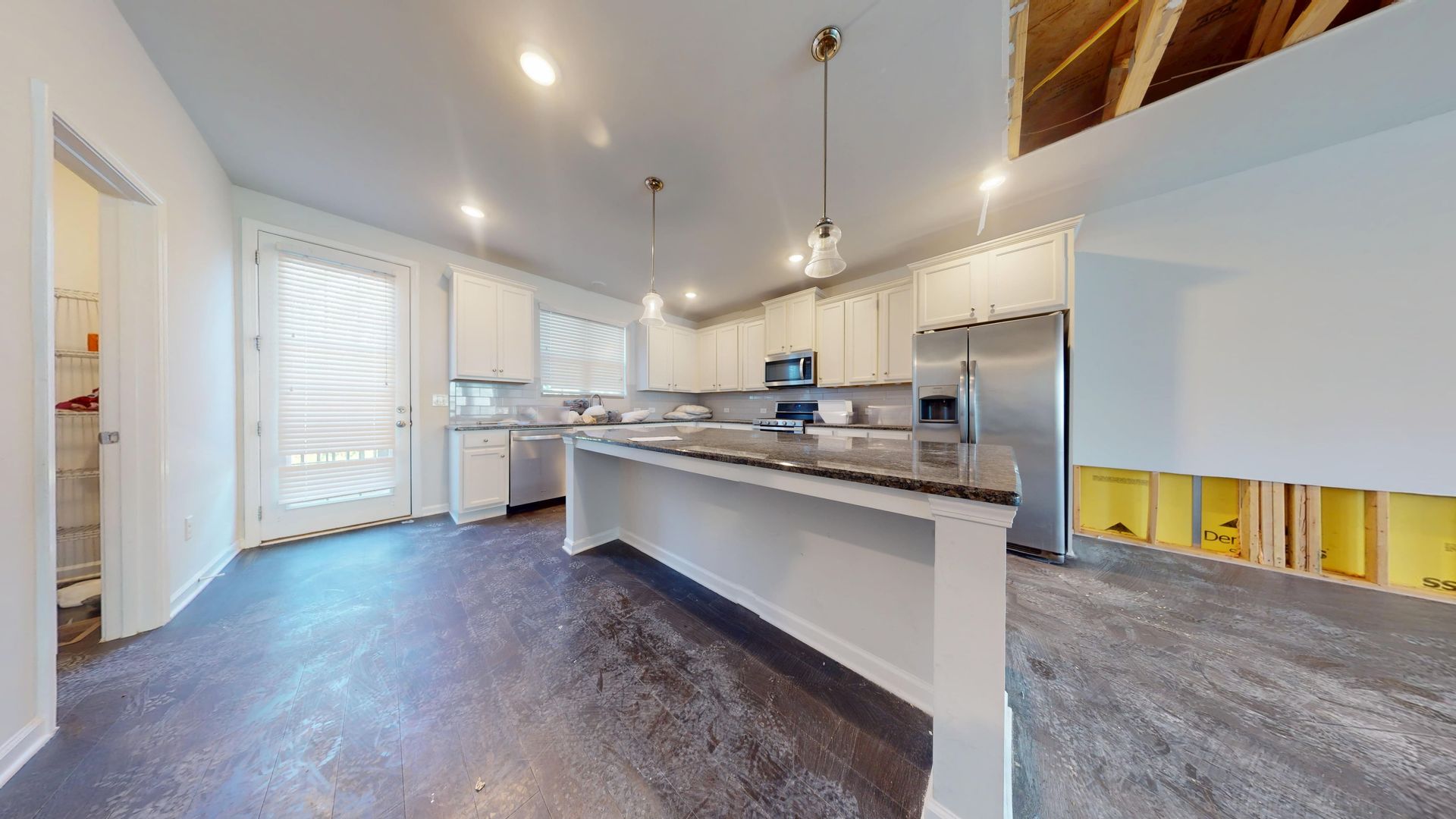 Before
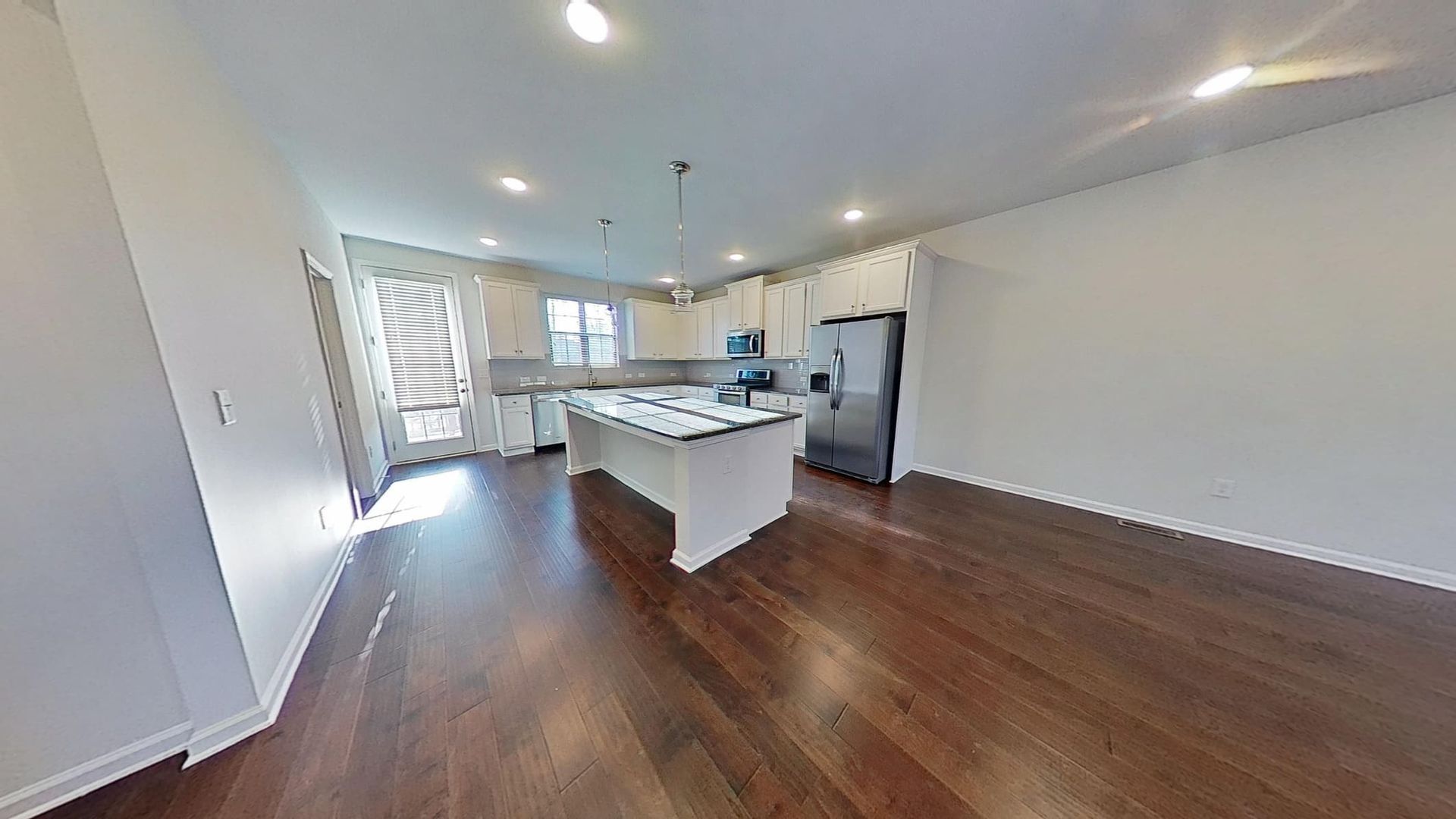 After
Hallway
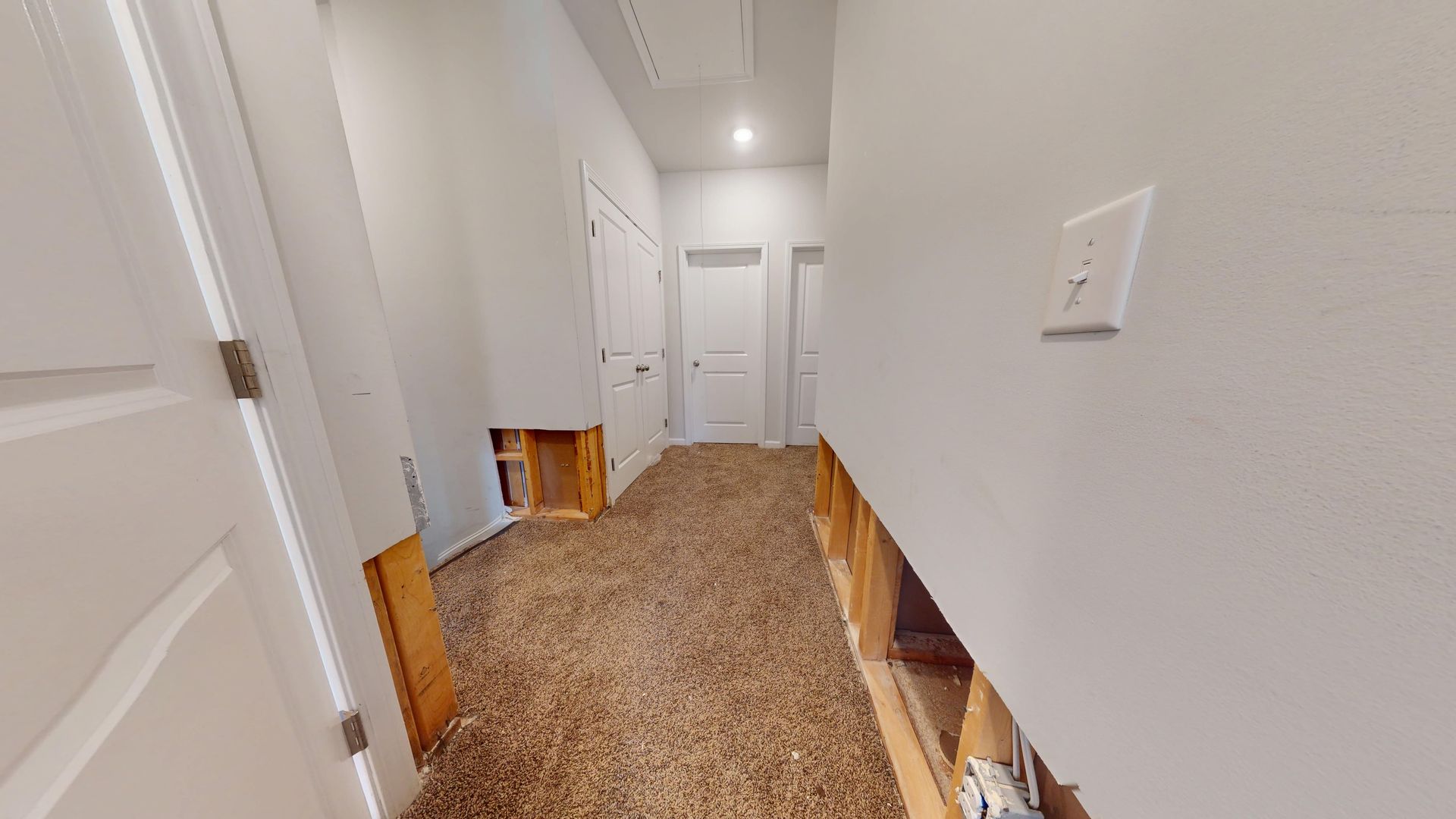 Before
 After
Laundry Closet
 Before
 After
Third Floor Kitchen
 Before
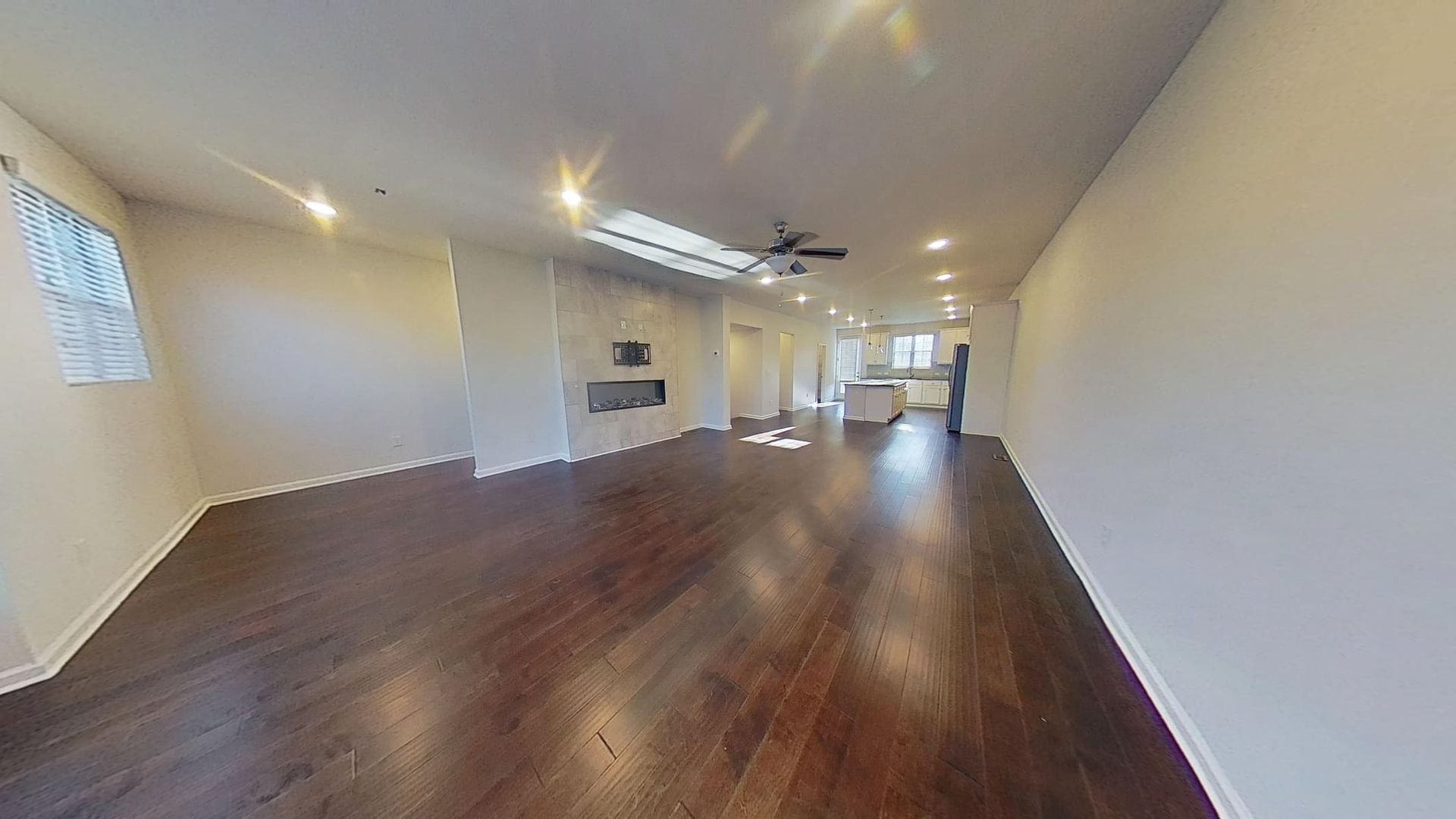 After
Water on More Than One Floor? Call Us Day or Night
Our team at The Homestar Group has been cleaning up after floods across metro Atlanta since 2010.
Around the Clock
Leaks don't wait for Monday morning, and neither do we.
Certified Technicians
IICRC trained crews who test before they call it dry.
Insurance Handled
We work directly with your insurance company.
Free Estimates
Get a free estimate within 24 hours, so you know the plan before any work begins.
Every job comes with our satisfaction guarantee, plus a military discount for those who've served.
Call (678) 928-5377
Jeremy York is the owner of The Homestar Group, bringing over 15 years of experience in the water and fire damage restoration industry to homeowners and businesses throughout the Atlanta metro area. Under his leadership, The Homestar Group has built a reputation for reliable 24/7 emergency response and professional restoration services backed by IICRC certification. Jeremy is committed to serving the local community and takes pride in helping families and business owners recover from unexpected disasters. His hands-on approach ensures every customer receives the care and attention they deserve during challenging times.