How to Detect Hidden Water Damage in East Atlanta Homes
Jump to Section:
Nobody wants to play detective in their own home, but sometimes that's exactly what you need to do. Water damage has this sneaky way of hiding in places you'd never think to check, doing its thing while you're busy living your life. And here in East Atlanta, with our heavy rain and flash flooding, homes face water intrusion more often than most homeowners realize.
At The Homestar Group, we've seen it all in our 15+ years serving the Atlanta area. We've walked into homes where water damage restoration seemed straightforward, only to discover hidden moisture wreaking havoc behind walls, under floors, and in crawl spaces. The good news? Once you know what to look for, you can catch problems before they turn into full-blown disasters.
Why Hidden Water Damage is Such a Big Deal
Here's the thing about water damage: it's like that friend who overstays their welcome. The longer it hangs around, the worse it gets. What starts as a small leak can quickly become a breeding ground for mold, structural rot, and a whole host of expensive repairs.
East Atlanta homes are particularly vulnerable because of our climate. We don't get snow or freezing pipes (thank goodness), but we do get hammered with heavy rain. Plus, many homes in the area have basements, which can be prime real estate for hidden moisture issues.
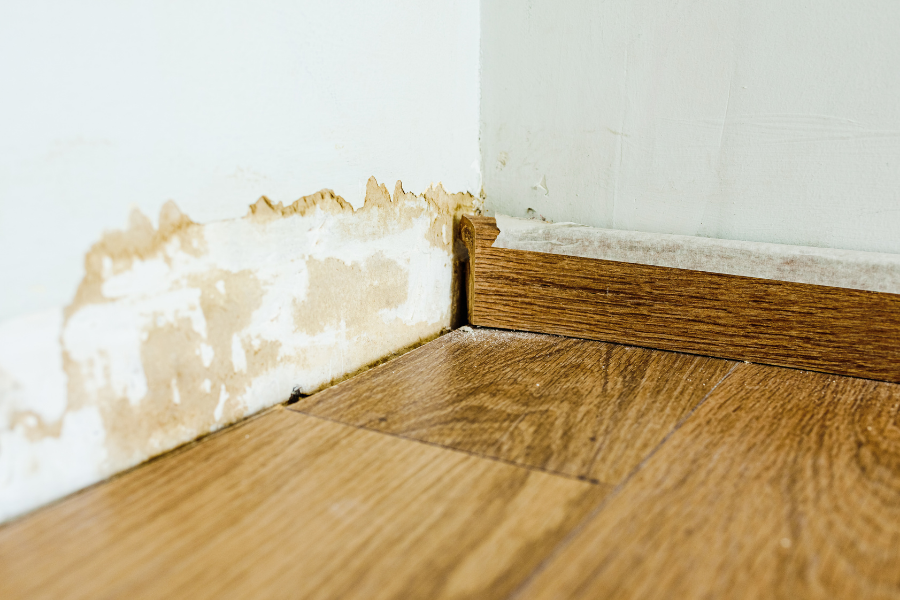
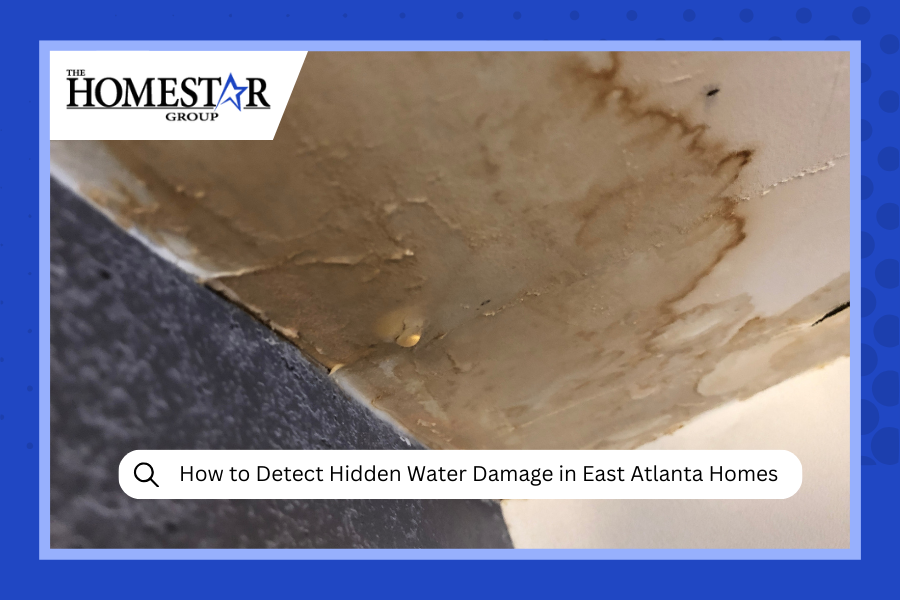
Water stains on walls and ceilings are often the first visible signs of hidden moisture problems that have been developing for weeks or months.
Common Hiding Spots for Water Damage
Behind Walls and Under Flooring
Walls are basically water damage's favorite game of hide and seek. A slow leak from a pipe, a crack in the foundation, or moisture seeping through from outside can all cause problems you won't see until it's too late.
Look for these telltale signs:
- Paint that's bubbling or peeling away from the wall
- Wallpaper that's lifting at the seams
- Discoloration or dark spots on walls
- A musty smell that won't go away no matter how much you air out the room
- Floors that feel soft or spongy when you walk on them
In Your Attic
Your attic might be out of sight and out of mind most of the time, but it's worth checking regularly. Roof leaks, damaged shingles, or poor ventilation can all lead to moisture problems up there.
Grab a flashlight and look for water stains on the underside of your roof, wet insulation, or any signs of daylight peeking through. If you spot mold growth, that's your attic's way of waving a red flag at you. Our mold remediation team deals with attic mold more often than you'd think.
Water Damage Timeline: How Fast Problems Develop
Within 24 Hours
Drywall begins to swell and break down. Metal surfaces start to tarnish. Furniture begins to warp.
24-48 Hours
Mold and mildew begin to grow. Doors and windows swell and warp. Metal begins to rust and corrode.
1 Week
Mold spreads and grows significantly. Paint blisters. Wood flooring swells and warps. Serious biohazard contamination possible.
More Than 1 Week
Restoration time and cost increase dramatically. Structural damage likely. Mold growth causes serious health risks.
Around Your HVAC System
Your heating and cooling system works hard year-round, and all that condensation has to go somewhere. When drain lines get clogged or drain pans overflow, water can pool around your HVAC unit and seep into surrounding areas.
Check around your air handler for standing water, rust on the unit itself, or moisture on nearby walls and ceiling. These systems are designed to handle moisture, but they're not foolproof.
In Your Basement or Crawl Space
If you've got a basement (and many East Atlanta homes do), it's worth checking it regularly for signs of water intrusion. Foundation cracks, poor drainage around your home, or a high water table can all lead to moisture problems down below.
Look for water stains on walls, efflorescence (that white, chalky substance on concrete), standing water, or a damp, musty smell. Understanding early water damage signs can save you from major headaches down the road.
Under Sinks and Around Appliances
These are the obvious suspects, but they're worth mentioning because they're so common. Check under every sink in your house, including bathroom vanities and your kitchen sink. Look at your water heater, washing machine, refrigerator (if it has an ice maker or water dispenser), and dishwasher.
Even a tiny drip can add up over time. Feel around pipes for moisture, check for corrosion, and don't ignore water stains on the cabinet floor.
Need help assessing potential water damage in your home?
Don't wait until a small problem becomes a major repair. Our team at The Homestar Group offers free estimates within 24 hours and can thoroughly inspect your property for hidden moisture issues. We're available 24/7 for emergencies.
Contact Us TodayYour Hidden Water Damage Detection Checklist
Here's a practical checklist you can use to inspect your East Atlanta home:
| Frequency | Inspection Tasks |
|---|---|
| Monthly | • Run your hand along walls in bathrooms and kitchens to feel for dampness • Check under all sinks for leaks or moisture • Look at your ceiling for any new stains or discoloration • Smell each room, pay attention to any musty odors that weren't there before • Inspect around windows and doors after heavy rain |
| Quarterly | • Test your basement or crawl space for moisture (if applicable) • Examine your attic for signs of roof leaks • Check around your HVAC system • Look at the grading around your home to ensure water drains away from the foundation • Inspect your water heater for signs of leaking |
| Annual | • Have a professional inspect your roof • Test for hidden moisture using specialized equipment • Examine your home's foundation for cracks • Check all caulking and weatherstripping around windows and doors |
What to Do If You Find Hidden Water Damage
First, don't panic. We know it's stressful to discover water damage in your home, but catching it is already half the battle. Here's what to do next:
Document everything with photos. Your insurance company will need this information, and it helps restoration professionals understand the extent of the problem. According to the Insurance Information Institute, proper documentation is crucial for claims.

Catching water damage early and documenting it properly can make the difference between a covered insurance claim and out-of-pocket expenses.
Turn off the water supply to the affected area if you can identify the source. This prevents additional damage while you're figuring out your next steps.
Call in professionals. Yeah, we're a restoration company so you might think we're biased, but here's the truth: hidden water damage almost always requires professional assessment. We have moisture meters, thermal imaging cameras, and other tools that can detect problems your eyes can't see. The Institute of Inspection Cleaning and Restoration Certification (IICRC) sets industry standards for proper water damage assessment and restoration.
Remove any items that could be damaged by moisture. This includes furniture, boxes, and anything else that's salvageable. The longer items sit in a damp environment, the less likely they are to be saved.
If you've discovered hidden moisture in your home, don't wait to address it. Our leak detection services can pinpoint the exact source of the problem, even when it's not visible to the naked eye.
Why East Atlanta Homes Need Extra Vigilance
Living in East Atlanta means dealing with our fair share of weather-related water issues. Heavy rain and flash flooding are just part of life here, and while we love the green yards and lush trees, all that precipitation can spell trouble for homes.
Our area's clay-heavy soil doesn't drain as well as you might hope, which means water tends to hang around. Add in aging infrastructure in some neighborhoods and older homes that weren't built with modern waterproofing techniques, and you've got a recipe for potential water damage.
But don't let that scare you. Being aware of these risks just means you can be proactive. Regular inspections, proper home maintenance, and knowing when to call in the pros can keep your East Atlanta home dry and healthy. Our team at The Homestar Group has been serving the Atlanta area for over 15 years, and we understand the unique challenges local homeowners face.
The bottom line? Your home is probably your biggest investment, and protecting it from water damage is worth a little detective work. Check those common hiding spots regularly, trust your nose when you smell something musty, and don't ignore the warning signs. And if you do find something concerning, remember that help is just a phone call away.
Frequently Asked Questions
How can I tell if water damage is new or old?
New water damage typically appears darker and feels wet to the touch, while old water damage has had time to dry and often leaves behind stains that are lighter in color or have defined rings. Old damage may also come with a musty smell and could show signs of mold growth. If you're unsure, professionals can use moisture meters to determine if moisture is still present.
Can I fix hidden water damage myself, or do I always need professional help?
Small, surface-level issues like a dripping faucet you caught early might be DIY territory if you're handy. But hidden water damage almost always requires professional assessment. The problem with hidden moisture is that you can't see the full extent of the damage, and there may be mold growing behind walls or structural issues you're not aware of. Professionals have the tools to detect moisture levels and ensure everything gets properly dried and restored.
How long does it take for hidden water to cause serious damage?
Water can start causing problems within 24-48 hours. Mold can begin growing in as little as 24 hours in the right conditions, and materials like drywall and insulation can absorb moisture quickly. The longer water sits undetected, the more extensive the damage becomes. This is why regular inspections and quick action are so important when you spot potential issues.
Does homeowners insurance typically cover hidden water damage in East Atlanta?
It depends on the source of the water damage. Most standard homeowners policies cover sudden and accidental water damage, like a burst pipe. However, they typically don't cover damage from neglect, gradual leaks, or flooding (which requires separate flood insurance). If you discover hidden water damage, contact your insurance company right away and document everything thoroughly. We work with insurance companies regularly and can help guide you through the claims process.

Jeremy York is the owner of The Homestar Group, bringing over 15 years of experience in the water and fire damage restoration industry to homeowners and businesses throughout the Atlanta metro area. Under his leadership, The Homestar Group has built a reputation for reliable 24/7 emergency response and professional restoration services backed by IICRC certification. Jeremy is committed to serving the local community and takes pride in helping families and business owners recover from unexpected disasters. His hands-on approach ensures every customer receives the care and attention they deserve during challenging times.