How to Handle Appliance Water Damage in Your Atlanta Kitchen
Jump To
A leaking kitchen appliance can turn a normal Tuesday into a soggy mess fast. If your dishwasher, fridge, or sink line lets go, the fix comes down to two things: stop the water, then dry everything before mold moves in. Our team at The Homestar Group handles this kind of appliance water damage restoration across the Atlanta metro, and acting fast almost always beats waiting and hoping it dries on its own.
The good news: you don't need to be a pro to take the right first steps. You just need to know them before it happens.
What Counts as Appliance Water Damage?
Appliance water damage is any water loss caused by a household machine that uses or holds water. In a kitchen, that usually means a dishwasher, a refrigerator with an ice maker or water line, or the supply and drain lines under your sink. When one fails, water spreads across the floor and soaks into cabinets, subflooring, and drywall.
The tricky part is that a lot of it stays hidden. A slow drip behind the dishwasher can run for weeks before you spot a warped board or a musty smell. By then it's already into materials you can't see.
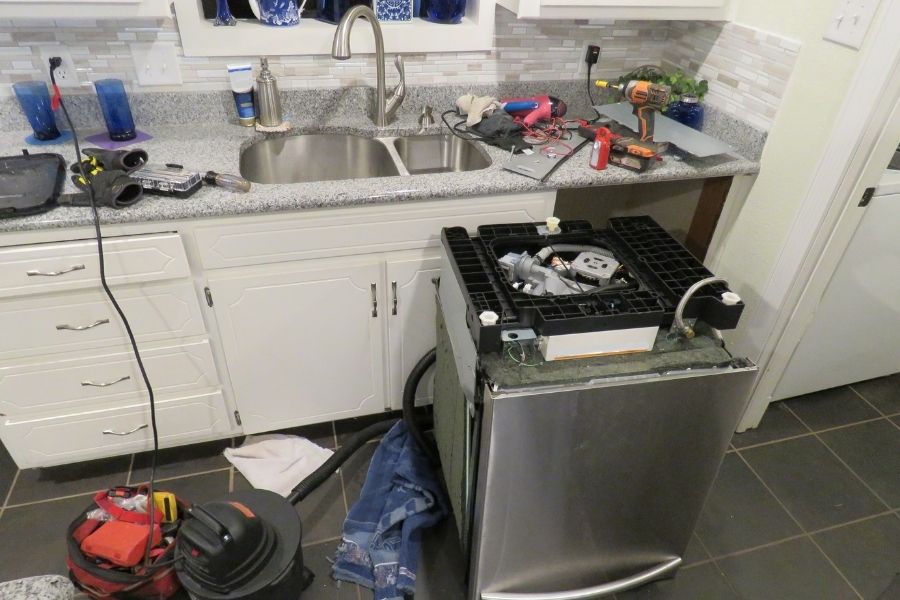
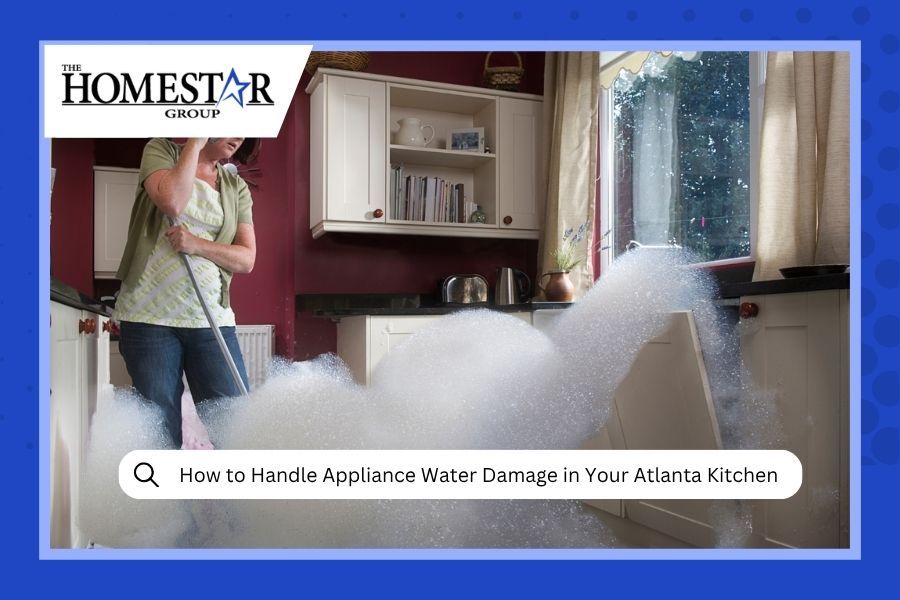
A dishwasher leak often starts small and pools at the base of the cabinets before anyone notices.
What to Do in the First Hour
The first hour matters more than any other. Your goal is simple: shut off the water source and get standing water off the floor. Do both quickly and you cut way down on how far the damage spreads.
Here's a checklist you can follow right now:
- Cut the water. Shut off the valve behind or under the appliance. If you can't find it, close the main water valve for the house.
- Kill the power. Water and electricity don't mix. Flip the breaker to that part of the kitchen before you step into a wet area.
- Soak it up. Use towels, a mop, or a wet/dry vacuum to pull up as much water as you can.
- Move your stuff. Lift rugs, small appliances, and anything on the lower cabinets out of the wet zone.
- Get air moving. Open windows and run fans to help the cabinet bases breathe.
One thing folks skip: check the spots you can't see. Peek under the fridge and behind the dishwasher, where sneaky leaks like to hide. If you're worried about a leak you can't trace, professional leak detection can pinpoint the source without tearing your kitchen apart.
Water Where It Shouldn't Be?
We answer 24/7 across the Atlanta metro and offer free estimates within 24 hours. The sooner we're on it, the less you lose.
Get Help TodayWhich Kitchen Appliances Cause the Most Damage?
Some appliances are quiet troublemakers, others go big all at once. Here's how the usual suspects stack up.
| Appliance | Common Failure | How It Shows Up |
|---|---|---|
| Dishwasher | Worn door seal or cracked hose | Puddles at the cabinet base, warped flooring |
| Refrigerator | Cracked ice maker or water line | Slow drip behind the unit, hidden for weeks |
| Sink plumbing | Loose supply line or drain seal | Damp cabinet floor, peeling wood, mildew smell |
Refrigerator lines earn a special mention. When the plastic tubing behind the fridge cracks, it can run unnoticed for weeks because the unit sits flat against the wall. A slow fridge leak is the one that quietly ruins a floor. Our guide on household appliances that cause water damage breaks down the warning signs.
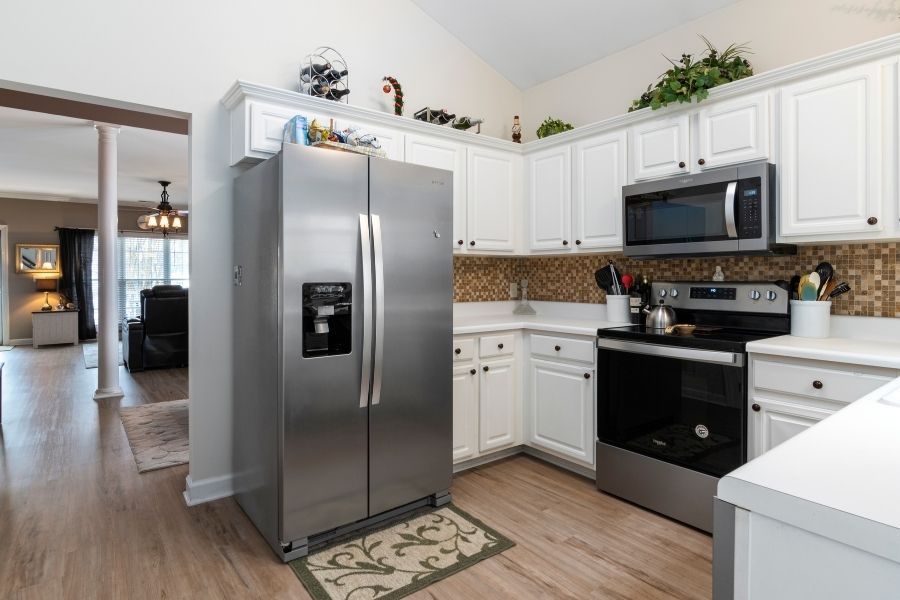
A burst refrigerator supply line can flood a kitchen while you're away, soaking flooring and subfloor.
Why Fast Drying Matters So Much
Mold is the reason speed wins. Once materials get wet, you're on a clock. The EPA recommends drying water-damaged areas within 24 to 48 hours to keep mold from taking hold. Miss that window and a plumbing problem becomes a health problem.
The 24 to 48 Hour Rule
Spores are already in the air. Give them moisture, a food source like drywall or cabinet wood, and a day or two, and they colonize. That's why "let it dry on its own" is a gamble you usually lose.
Here's the catch with a kitchen. The water you can see is rarely the whole story. It wicks under cabinets, into the subfloor, and up into the wall base. Surface-dry doesn't mean dry. Professional gear reads moisture inside materials, so nothing wet gets sealed up. And if mold has already started, mold remediation handles it safely.
When to Call a Pro vs. Handle It Yourself
Small, clean spills you catch right away are often a DIY job. A cup of water from an ice maker on a tile floor? Wipe it, dry it, keep an eye out. Bigger losses are a different story. Call a professional when:
- Water reached cabinets, drywall, or subflooring
- It sat for more than a day before you found it
- You catch a musty smell or spot any mold
- The source is a mystery, or you're seeing early water damage signs without an obvious leak
Homeowners around Decatur and across East Atlanta call us for exactly these situations. Older kitchens and aging appliances raise the odds of a hidden problem. Guessing at a sink leak on your own can miss the real source, so our breakdown of kitchen sink leak causes is worth a read before you grab a wrench.
Does Insurance Cover This?
Usually, yes, if the leak was sudden and accidental. Most homeowners policies cover water damage from a burst hose or a ruptured appliance line, though gradual leaks from neglect often aren't covered. These claims are common, too. The Insurance Information Institute reports about one in 60 insured homes files a water-related claim each year.
Document everything before you clean up. Photos of the standing water, the failed appliance, and the damaged materials all help your claim. We work directly with insurance companies, so you're not stuck translating the paperwork alone.
FAQs
How do I know if water got under my kitchen cabinets?
Look for warped or soft cabinet bases, peeling finish, a musty smell, or floorboards that feel spongy near the appliance. A moisture meter confirms it, since cabinet interiors can stay wet even when the surface feels dry.
My dishwasher leaked but the floor looks dry now. Am I fine?
Not necessarily. A dry surface often hides moisture trapped in the subfloor and cabinet frames. If the leak was more than a small splash, it's worth checking with proper equipment before mold has a chance to start.
How fast should I act after a refrigerator line bursts?
Right away. Shut off the water and power, pull up standing water, and start drying within the first hour. Mold can begin growing within 24 to 48 hours, so the faster you dry things out, the better your outcome.
Do you serve areas outside of Atlanta proper?
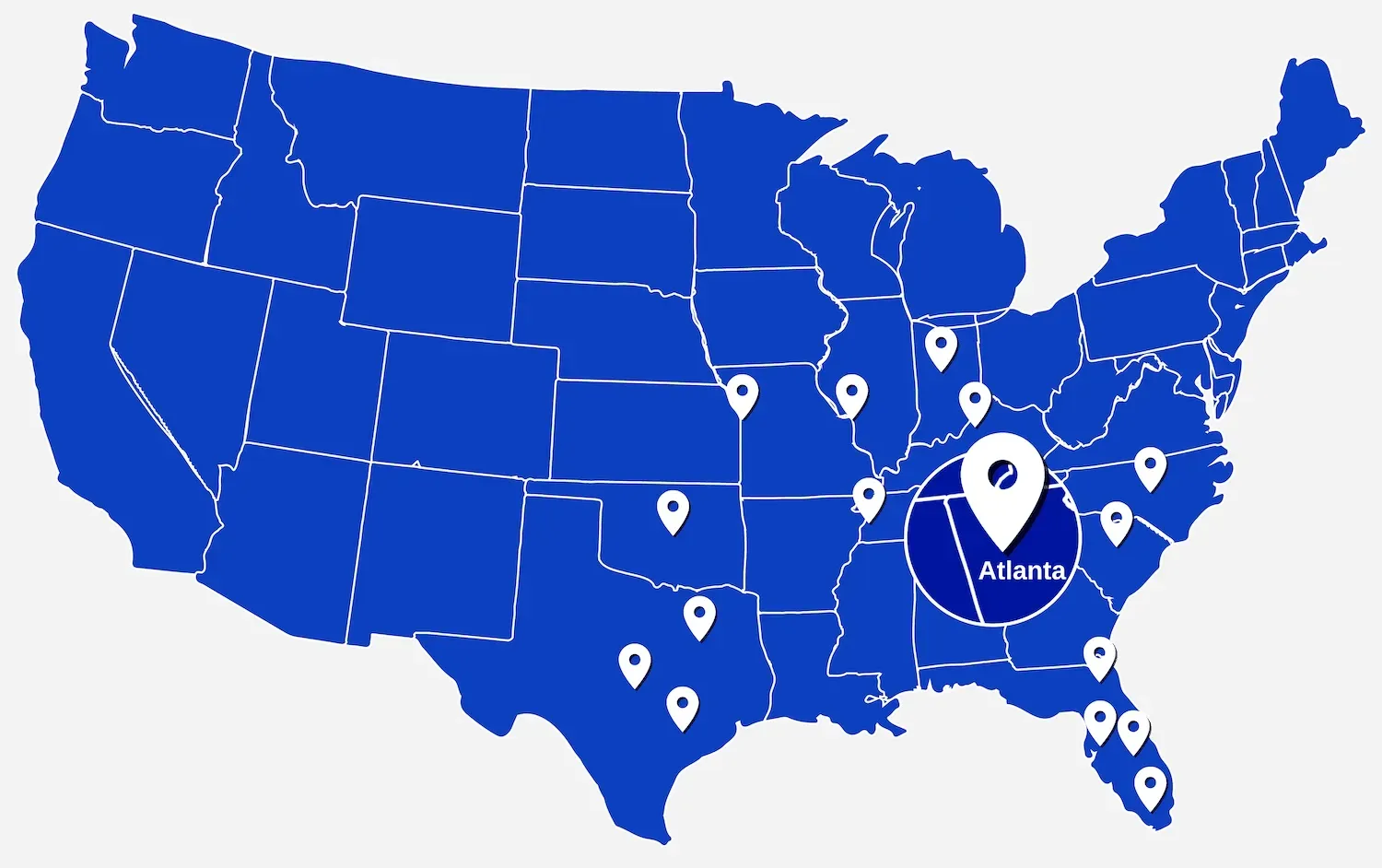
Yes. We cover the greater Atlanta metro, including Conyers, Decatur, Marietta, Stone Mountain, and the surrounding communities, with 24/7 emergency response for water damage.
Kitchen soaked? Let's dry it out the right way.
Our team at The Homestar Group brings 24/7 emergency response, IIRC certified technicians, and direct insurance claim handling to every job across the Atlanta area. Reach out and we'll get moving fast.

Jeremy York is the owner of The Homestar Group, bringing over 15 years of experience in the water and fire damage restoration industry to homeowners and businesses throughout the Atlanta metro area. Under his leadership, The Homestar Group has built a reputation for reliable 24/7 emergency response and professional restoration services backed by IICRC certification. Jeremy is committed to serving the local community and takes pride in helping families and business owners recover from unexpected disasters. His hands-on approach ensures every customer receives the care and attention they deserve during challenging times.