Is Water Damage from Hurricanes Covered by Insurance or Out-of-Pocket?
Jump To:
Hurricanes don't have to make direct landfall in Atlanta to cause serious problems. Heavy rainfall and tropical moisture from storms that hit the Gulf or Atlantic coast regularly push inland, and Georgia catches the overflow. If you're dealing with water in your home after a hurricane, the first question is usually: does my insurance actually cover this? The answer depends on the source of the water and which policies you carry. Our team at The Homestar Group has helped hundreds of Atlanta-area homeowners through professional water damage restoration, and the insurance side trips people up more than almost anything else.
Let's break down what's typically covered, what's not, and what you can do to protect yourself financially before the next big storm rolls through.
Homeowners Insurance vs. Flood Insurance: What's the Difference?
Standard homeowners insurance and flood insurance are two completely separate policies, and most homeowners don't realize that until they need both. Your homeowners policy generally covers water damage that starts from above , like a tree crashing through your roof during high winds and letting rain pour in. Flood insurance covers water that enters from below or outside , such as rising floodwaters that push through your doors or seep up through your foundation.
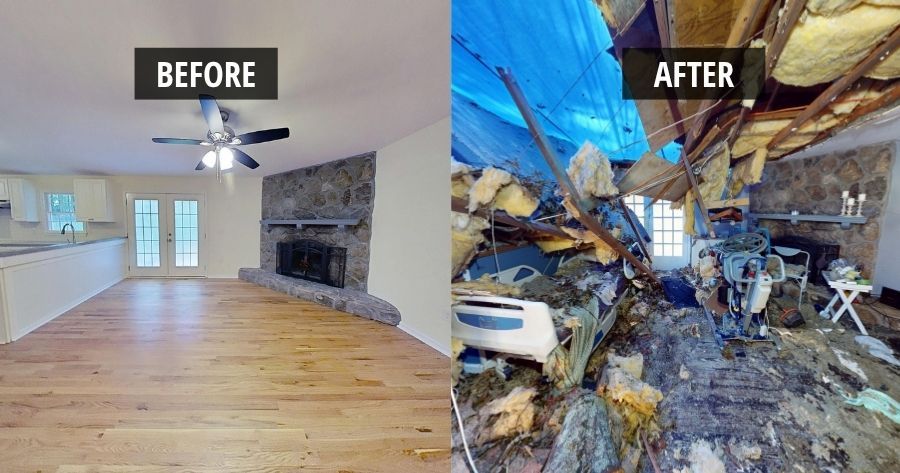
Here's the catch. Hurricanes cause both types of damage at the same time. Wind rips shingles off, rain pours through the ceiling, and floodwater rises in the yard and fills the basement. One storm, two totally different insurance claims, two different adjusters, and sometimes two very different outcomes.
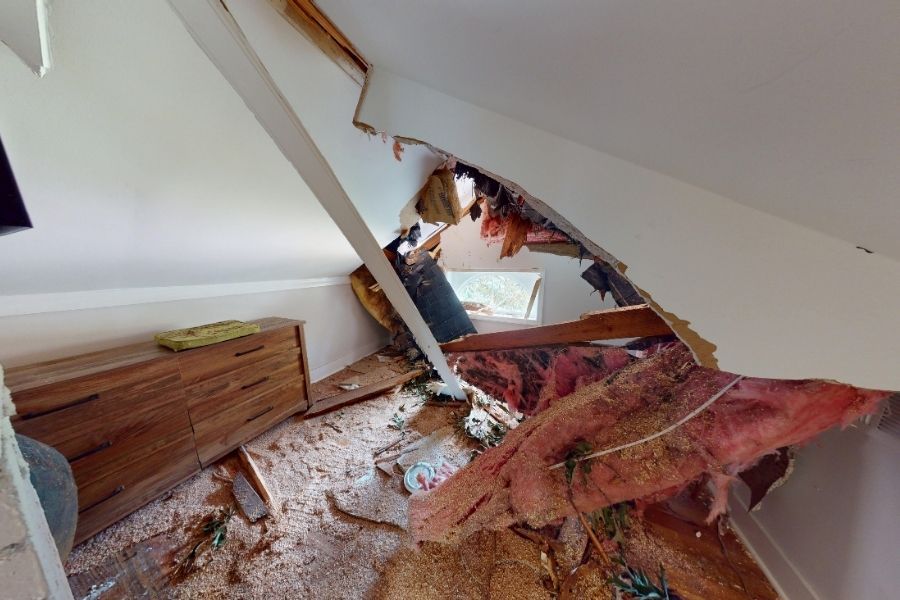
Wind-driven rain through a damaged roof is usually covered under homeowners insurance, not flood insurance.
What Does Each Policy Actually Cover?
Understanding which policy pays for what can save you thousands of dollars and a lot of frustration. Here's a quick comparison:
| Damage Source | Homeowners Insurance | Flood Insurance (NFIP) |
|---|---|---|
| Wind damage to roof/structure | Typically covered | Not covered |
| Rain through a wind-damaged roof | Typically covered | Not covered |
| Rising floodwater entering home | Not covered | Typically covered |
| Storm surge | Not covered | Typically covered |
| Sewer backup from storm overload | Only with endorsement | Limited |
| Mold from delayed water removal | Varies by policy | Limited/excluded |
Notice how sewer backup and mold fall into gray areas? Those two cause more claim denials than almost anything else after a hurricane. In our experience, homeowners who document the damage immediately and start remediation quickly have a much better shot at getting those claims approved.
Dealing with Hurricane Water Damage Right Now?
Don't wait for the insurance company to tell you what to do. Early cleanup can make the difference between a covered claim and a denied one.
Get a Free EstimateCommon Coverage Gaps That Catch Homeowners Off Guard
Even with both policies in place, gaps exist. The biggest one? Gradual damage. If your roof had a slow leak before the hurricane and the storm made it worse, your insurer might argue the damage was pre-existing. They're not wrong to ask the question, but it means you'll need strong documentation to prove what the storm actually caused.
Other common gaps include:
- Mold that develops after 48 hours: If you don't begin mold remediation quickly, insurers may deny the claim as preventable secondary damage.
- Landscaping and exterior features: Fences, decks, detached sheds, and yard damage are often excluded or heavily limited.
- Temporary living expenses: Flood insurance through the NFIP doesn't cover hotel costs or rental housing while your home is being repaired. Homeowners insurance sometimes does, depending on your policy.
- Basement contents: Flood insurance has strict limits on what it covers in basements. Furniture, electronics, and personal items stored below grade often aren't included.
The Insurance Information Institute has a helpful breakdown of what standard policies typically include and exclude, and it's worth reading before storm season rather than after.
What Should You Do After Hurricane Water Damage?
Speed matters more than anything. The first 24 to 48 hours after water enters your home determine how much can be saved and how much needs to be torn out and replaced. Avoiding common water cleanup mistakes early on can save you thousands. Here's a checklist that covers the basics:
Hurricane Water Damage Checklist
- Document everything with photos and video before touching anything
- Contact your insurance company to start the claims process
- Call a professional restoration team to begin water extraction
- Separate damaged items from undamaged ones if it's safe to do so
- Keep all receipts for emergency repairs, temporary housing, and supplies
- Don't throw anything away until the adjuster has seen it
- Request a written scope of work from your restoration company
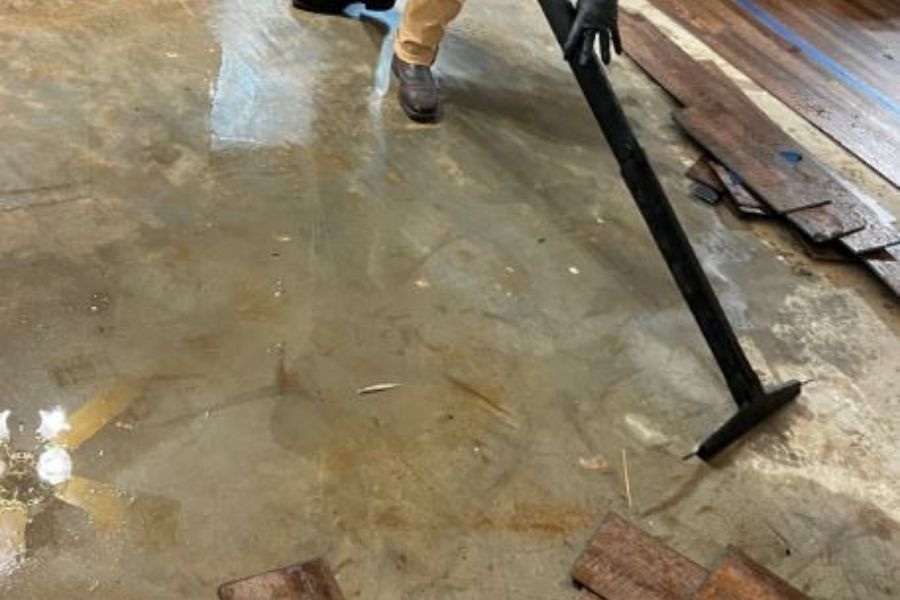
Professional water extraction should begin as soon as it's safe to enter the home. Every hour counts.
One thing a lot of homeowners don't realize: your insurance company actually expects you to mitigate the damage. That means taking reasonable steps to prevent it from getting worse. If you leave standing water sitting for a week without calling anyone, the insurer can reduce or deny your claim for the additional damage. Starting water extraction early protects your home and your claim.
When You Might Be Paying Out of Pocket
Some hurricane-related water damage falls entirely on you as the homeowner. If you don't carry flood insurance, any damage from rising water, ground saturation, or storm surge is your responsibility. According to FEMA, just one inch of floodwater in a home can cause over $25,000 in damage. That's a painful bill without coverage.
You might also pay out of pocket if:
- Your deductible is high. Many policies in hurricane-prone states use percentage-based deductibles (often 2% to 5% of your home's insured value) rather than flat amounts.
- The damage falls below your deductible threshold, making it not worth filing.
- Maintenance-related failures contributed to the damage, like a clogged gutter that caused water to back up into your attic.
If you're in the Atlanta metro area and you're not sure whether your damage qualifies for a claim, our team at The Homestar Group can walk you through what we're seeing on site and help you navigate the insurance claims process. We work directly with insurance companies every day, and we know what adjusters are looking for.
The smartest thing you can do before hurricane season? Review your policies now, not after water is in your living room. Consider adding flood insurance even if you're outside a designated flood zone. And keep your roof and gutters in good shape, because preventable damage gives insurers a reason to say no.
If you have questions about storm damage restoration or want a professional assessment after a weather event, contact our team for a free estimate. We respond 24/7 and we've been helping Atlanta homeowners recover for over 15 years.
Did You Know?
40%
of small businesses never reopen after a flood, according to FEMA. Residential homeowners face similar financial strain without proper coverage and a fast response.
Frequently Asked Questions
Does homeowners insurance cover water damage from a hurricane?
Homeowners insurance typically covers water damage caused by wind, such as rain entering through a roof that was damaged during the storm. However, it does not cover flooding from rising water or storm surge. That requires a separate flood insurance policy.
Do I need flood insurance if I don't live in a flood zone?
It's worth considering. About 25% of all National Flood Insurance Program claims come from properties outside of high-risk flood zones. Tropical storms and heavy rain events can cause localized flooding anywhere, and standard homeowners insurance won't cover it.
Can my insurance claim be denied if I wait too long to clean up water damage?
Yes. Most insurance policies require you to take reasonable steps to prevent additional damage. If you leave standing water in your home without attempting mitigation, the insurer can reduce or deny your claim for secondary damage like mold growth or structural deterioration.
What is a hurricane deductible and how is it different from a regular deductible?
A hurricane deductible is typically a percentage of your home's insured value rather than a flat dollar amount. For example, a 2% deductible on a home insured for $300,000 means you'd pay $6,000 out of pocket before coverage kicks in. Standard deductibles are usually a fixed amount like $1,000 or $2,500.

Jeremy York is the owner of The Homestar Group, bringing over 15 years of experience in the water and fire damage restoration industry to homeowners and businesses throughout the Atlanta metro area. Under his leadership, The Homestar Group has built a reputation for reliable 24/7 emergency response and professional restoration services backed by IICRC certification. Jeremy is committed to serving the local community and takes pride in helping families and business owners recover from unexpected disasters. His hands-on approach ensures every customer receives the care and attention they deserve during challenging times.