What Happens During a Water Damage Inspection in Conyers?
Jump to Section:
- → Why a Water Damage Inspection Actually Matters
- → Step 1: Initial Assessment and Documentation
- → Step 2: Identifying Water Source and Category
- → Step 3: Measuring Moisture Levels
- → Step 4: Checking for Structural Damage
- → Step 5: Assessing Secondary Damage
- → Step 6: Creating Your Restoration Plan
- → Frequently Asked Questions
So you've got water where it shouldn't be, and you're probably wondering what comes next. Maybe a pipe burst, maybe your basement flooded during one of those heavy Atlanta rains, or maybe you just noticed a suspicious wet spot on your ceiling. Whatever brought you here, understanding what happens during a water damage inspection can make a stressful situation feel a lot more manageable.
At The Homestar Group, we've been handling water damage restoration in Atlanta for over 15 years, and we've seen just about everything. The good news? A proper inspection is the first step to getting your home back to normal. Let's walk through exactly what you can expect.
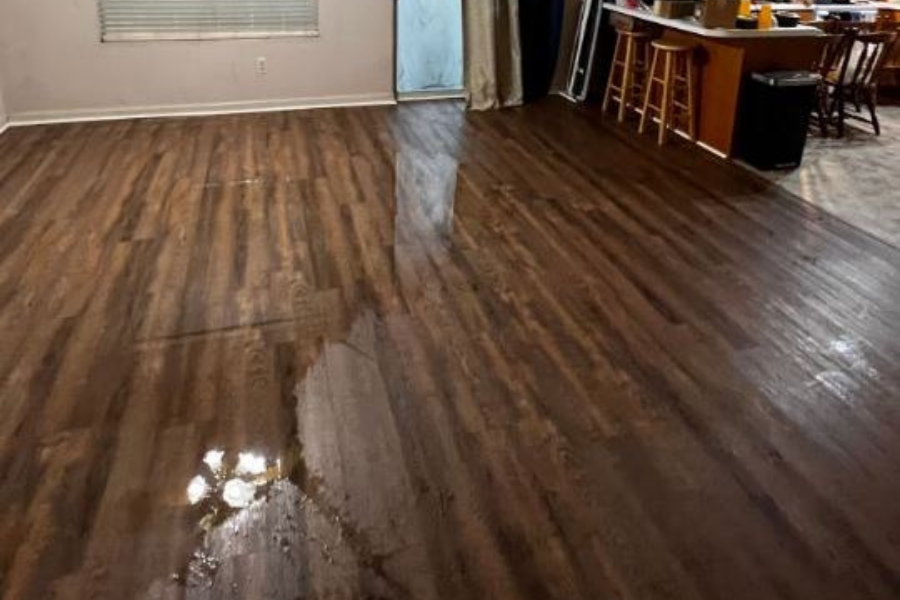
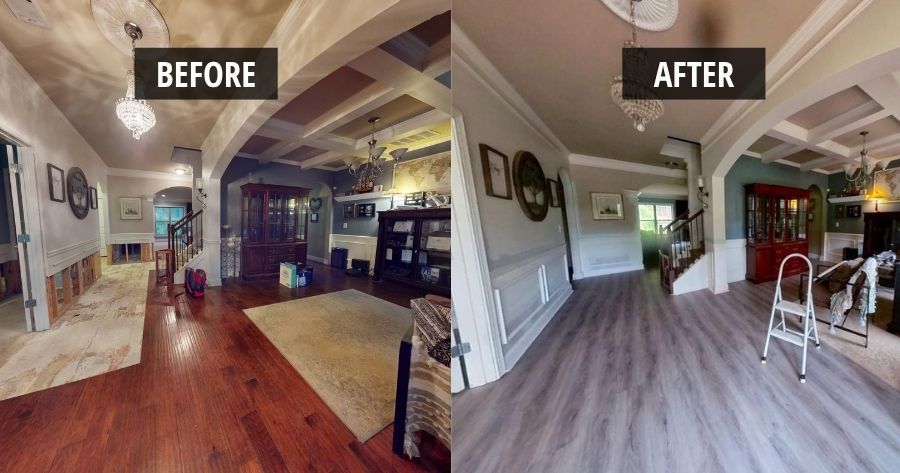
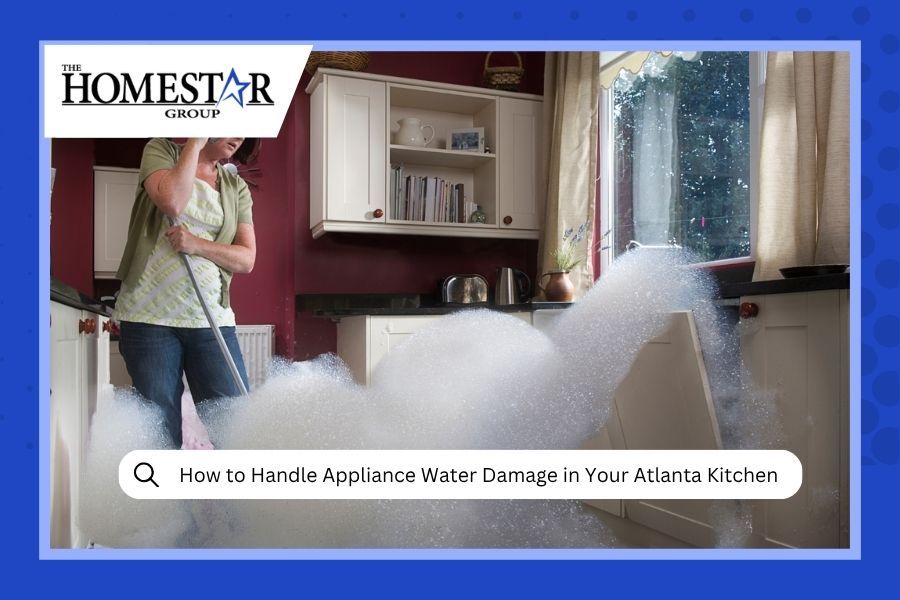
Standing water in your home requires immediate professional inspection to prevent long-term damage and mold growth.
Why a Water Damage Inspection Actually Matters
Look, we get it. When water's dripping through your ceiling or your carpet's squishy underfoot, you just want someone to fix it NOW. But here's the thing: rushing into repairs without understanding the full scope of the damage is like putting a Band-Aid on a broken arm. It might look better on the surface, but you're not actually solving the problem.
A thorough water damage inspection helps us figure out:
- Where the water came from and whether the source is truly stopped
- How far the water has spread, including hidden areas you can't see
- What materials are affected and how severely
- Whether mold growth has started or is likely to develop
- What category of water damage you're dealing with (yes, there are categories)
- The best plan to restore your home safely and completely
Think of it like a doctor's diagnosis before surgery. You wouldn't want someone operating without knowing what's actually wrong, right?
Step 1: The Initial Assessment and Documentation
When our IICRC-certified technicians show up at your Conyers home, the first thing we do is talk with you. We want to hear your story. When did you first notice the water? Where was it coming from? Have you noticed any strange smells or visible mold?
These questions aren't just small talk. They help us understand the timeline and potential extent of damage. Water that's been sitting for three days behaves very differently than water from a pipe that burst an hour ago.
Next comes documentation. We'll take photos and videos of the affected areas. This isn't just for our records, it's crucial for your insurance claim too. Trust us, your insurance company will want detailed proof of the damage before approving any work. We've learned through hundreds of restoration insurance claims that thorough documentation from day one makes the entire process smoother.
Ready to Get Your Home Back to Normal?
Don't wait for water damage to get worse. Our team is available 24/7 to provide a free estimate within 24 hours.
Get Your Free InspectionOr call us now: (678) 928-5377
Step 2: Identifying the Water Source and Category
Here's where things get technical, but we'll keep it simple. Not all water damage is created equal. The Institute of Inspection, Cleaning and Restoration Certification (IICRC) recognizes three categories of water, and identifying which one you're dealing with determines how we proceed:
| Category | Type | Common Sources | Risk Level |
|---|---|---|---|
| Category 1 | Clean Water | Broken water lines, sink overflows, fresh rainwater | ✓ Low |
| Category 2 | Gray Water | Washing machines, dishwashers, toilet overflow (no solids) | ⚠ Medium |
| Category 3 | Black Water | Sewage, flooding from rivers, standing water with bacteria | ✕ High |
Category 3 water requires specialized sewage cleanup equipment and safety protocols to protect both you and our technicians.
We use moisture meters, infrared cameras, and sometimes our noses (yeah, water damage pros develop a sixth sense for these things) to figure out what we're dealing with.
Step 3: Measuring Moisture Levels and Mapping Affected Areas
This is where the high-tech gadgets come out. We use several tools to measure moisture levels throughout your home:
Moisture Meters: These handheld devices tell us the exact moisture content in materials like drywall, wood, and flooring. Different materials have different acceptable moisture levels, and we need to know precisely where we stand.
Infrared Cameras: These are honestly pretty cool. They let us see temperature variations in walls and ceilings, which reveal hidden moisture you can't see with the naked eye. Water often travels along studs, pipes, and ductwork, showing up in places you'd never expect.
Hygrometers: These measure the humidity levels in your air. High humidity means water is evaporating from wet materials, and we need to control that environment to prevent mold growth.
We'll literally map out the affected areas, sometimes with colored tape or markers, so everyone (including you) can see exactly what needs attention. It's not uncommon for water to travel 20 or 30 feet from the original source, especially in homes with basements.
Concerned about hidden water damage in your Conyers home? Our professional leak detection services can catch problems before they become disasters.
Schedule a Professional Leak Detection
Step 4: Checking for Structural Damage and Safety Hazards
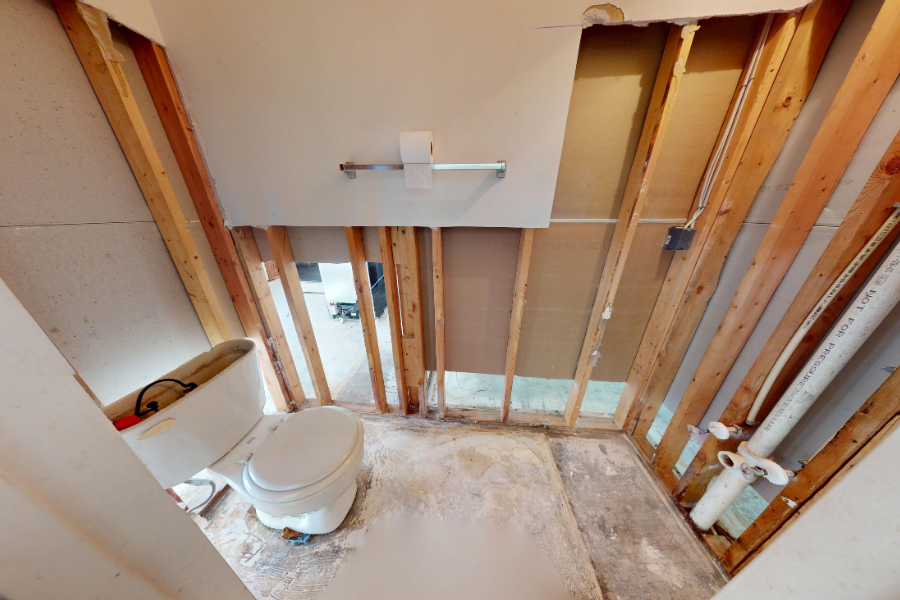
Our certified technicians carefully inspect structural components like framing, drywall, and foundations to identify compromised areas that need repair or replacement.
Water doesn't just make things wet, it can compromise the structural integrity of your home. During the inspection, we're looking for:
- Sagging or bowing in ceilings, floors, or walls
- Warped or buckled flooring
- Weakened framing members
- Electrical hazards (water and electricity are NOT friends)
- Compromised foundations or load-bearing walls
If we find any immediate safety concerns, we'll let you know right away. Sometimes areas need to be cordoned off until repairs can be made. Your safety is always the priority.
In severe cases, especially after storm damage or flooding, we might recommend a structural engineer take a look before restoration begins. It's better to be overcautious than to miss something critical.
Step 5: Assessing Secondary Damage and Mold Risk
Here's something most homeowners don't realize: the real damage from water often happens in the hours and days AFTER the initial incident. We call this secondary damage, and it includes:
Secondary Damage Timeline
- Drywall begins to swell and deteriorate
- Metal surfaces start to tarnish
- Furniture swells and cracks
- Mold and mildew begin growing
- Doors, windows, and studs swell and warp
- Metal corrodes and rusts
- Strong odors develop
- Serious mold growth and spread
- Structural damage worsens significantly
- Biohazard contamination increases
- Restoration costs multiply
Mold Growth: Mold can start developing in as little as 24 to 48 hours in the right conditions. During our inspection, we look for visible mold and test the conditions that promote growth. If we find mold or suspect it's present, we may recommend mold testing and inspections to determine the extent.
Wood Rot and Deterioration: Wood that stays wet will eventually rot, weakening your home's structure. We check studs, floor joists, subflooring, and any other wooden components.
Corrosion and Rust: Metal components like pipes, HVAC systems, and appliances can corrode when exposed to prolonged moisture.
Pest Issues: Damp environments attract pests. We keep an eye out for signs of increased insect or rodent activity.
This is why speed matters. The faster we can start drying and dehumidifying, the less secondary damage you'll face. According to research from the Environmental Protection Agency (EPA), controlling moisture is the key to preventing mold growth and other moisture-related problems.
Step 6: Creating Your Customized Restoration Plan
After we've gathered all this information (and yes, there's a lot of it), we sit down with you to explain what we found and what needs to happen next. No jargon, no confusing technical terms, just straight talk about:
- The full scope of damage
- What materials can be dried and saved versus what needs replacement
- The estimated timeline for restoration
- The equipment we'll use and why
- What you can expect during the restoration process
- How we'll work with your insurance company
We'll also give you a detailed written estimate. At The Homestar Group, we provide free estimates within 24 hours because we know you need answers fast.
Every restoration is different. A small leak in a bathroom requires a totally different approach than a flooded basement. Your plan will be tailored specifically to your situation, your home's construction, and your needs.
What to Expect Next: The Restoration Process Begins
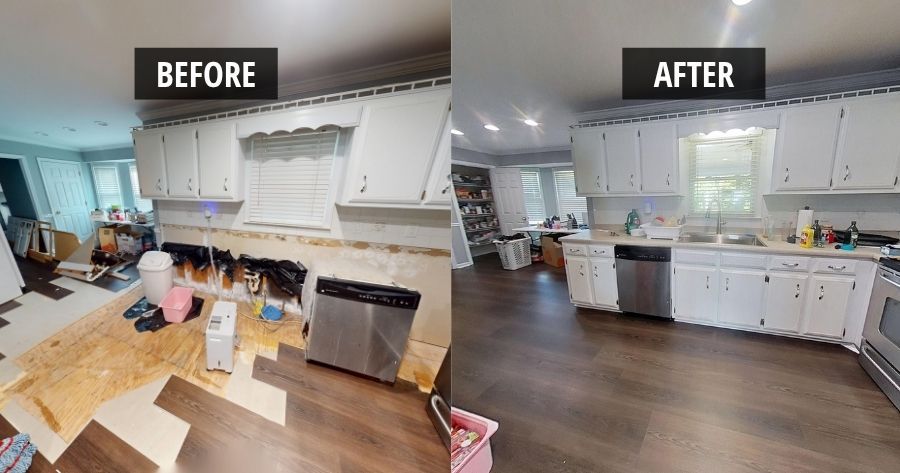
Once the inspection is complete and you've approved the plan, restoration moves quickly. The basic process includes:
- Water Extraction: Removing standing water with pumps and vacuums
- Drying and Dehumidification: Setting up industrial fans and dehumidifiers to dry out materials
- Cleaning and Sanitizing: Treating affected areas to prevent mold and bacteria growth
- Repairs and Reconstruction: Replacing damaged materials and restoring your home
The timeline varies based on the extent of damage, but we'll keep you updated every step of the way. Many homeowners can stay in their homes during restoration, though this depends on the severity and location of damage.
Want to know more about timing? Check out our guide on how long water damage restoration takes in Atlanta.
Common Questions About Water Damage Inspections in Conyers
How long does a water damage inspection take?
Most inspections take between 30 minutes to 2 hours, depending on the size of your home and the extent of damage. We'll never rush through it, a thorough inspection now saves headaches later.
Do I need to be home during the inspection?
Yes, we strongly recommend it. You know your home better than anyone, and your input helps us understand the full situation. Plus, we want to answer any questions you have in real time.
Will the inspection damage my home further?
Not at all. We use non-invasive tools like moisture meters and infrared cameras. The only time we might make small holes is if we need to check behind walls, and we'll always ask your permission first.
How much does a water damage inspection cost?
At The Homestar Group, we provide free inspections and estimates within 24 hours. We believe you shouldn't have to pay just to understand what's wrong with your home. If you decide to move forward with restoration, the inspection findings guide our work.
The Bottom Line: Knowledge Is Power
Water damage can feel overwhelming, especially when you're in the middle of it. But understanding what happens during a professional inspection can help you feel more in control of the situation.
At The Homestar Group, we've spent over 15 years helping Conyers and Atlanta-area homeowners through water damage situations. Our IICRC-certified technicians know exactly what to look for, how to document it properly, and how to restore your home completely.
Remember, water damage doesn't get better on its own. It only gets worse. The sooner you call for an inspection, the less damage you'll face and the lower your restoration costs will be.
Need a Water Damage Inspection in Conyers?
Our team is available 24/7 for emergencies. We'll walk you through everything and get your home back to normal.
Contact Us for Free InspectionCall us now: (678) 928-5377
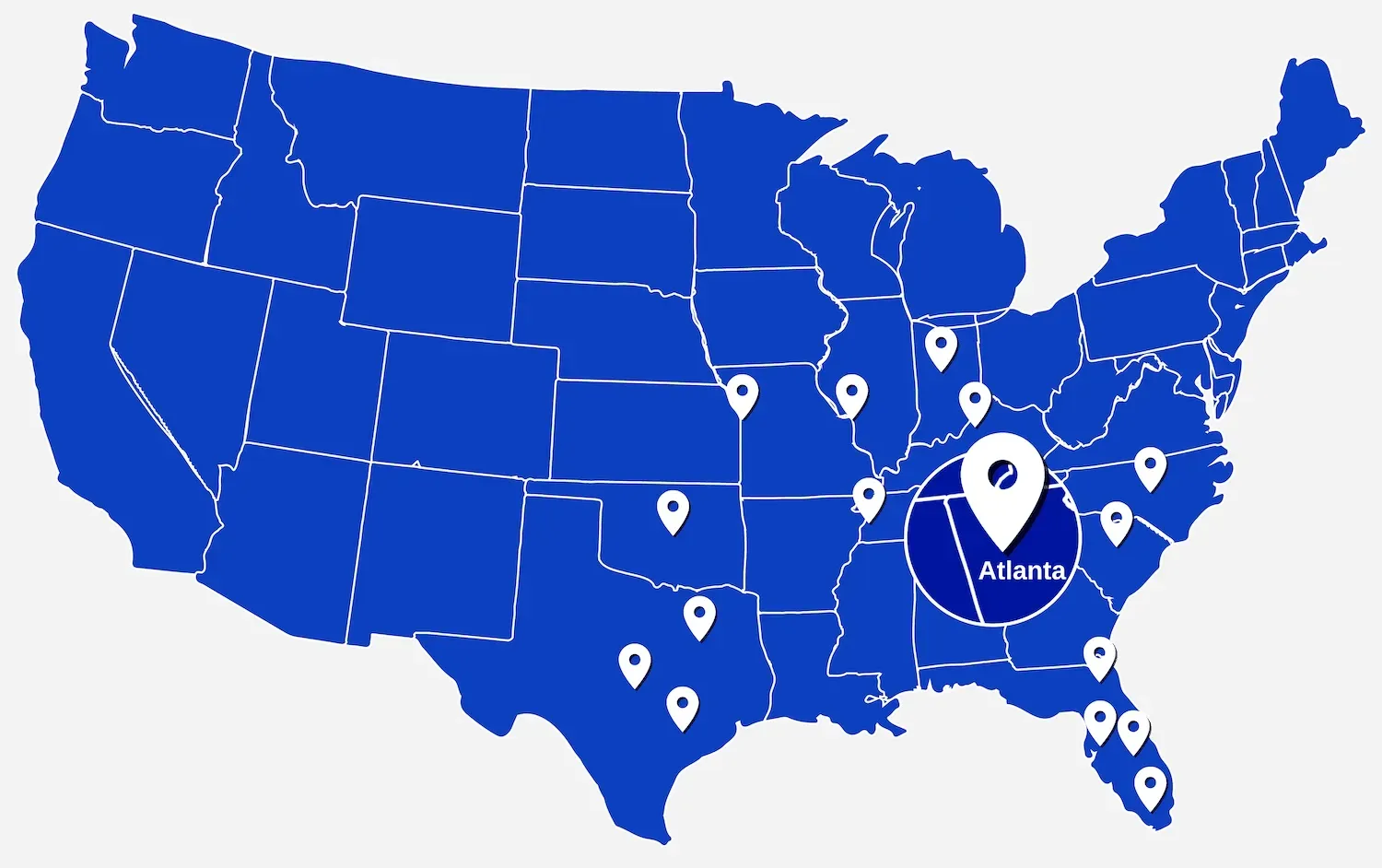
The Homestar Group has been serving the Conyers, Atlanta, Stone Mountain, and surrounding Rockdale County areas since 2010. Our IICRC-certified technicians provide 24/7 emergency water damage restoration, fire damage restoration, and mold remediation services. Military discount available (5% off for military families, except insurance claims).

Jeremy York is the owner of The Homestar Group, bringing over 15 years of experience in the water and fire damage restoration industry to homeowners and businesses throughout the Atlanta metro area. Under his leadership, The Homestar Group has built a reputation for reliable 24/7 emergency response and professional restoration services backed by IICRC certification. Jeremy is committed to serving the local community and takes pride in helping families and business owners recover from unexpected disasters. His hands-on approach ensures every customer receives the care and attention they deserve during challenging times.